You know that moment when a room is technically tidy, but it still feels unfinished? The sofa is in place, the coffee table is styled, the clutter is gone—yet the whole space looks flat by 3 p.m. More often than not, the problem is hanging right in front of the window. Window treatments do far more than block glare. They control privacy, soften hard architectural lines, frame a view, and quietly decide whether your room feels polished or pieced together.
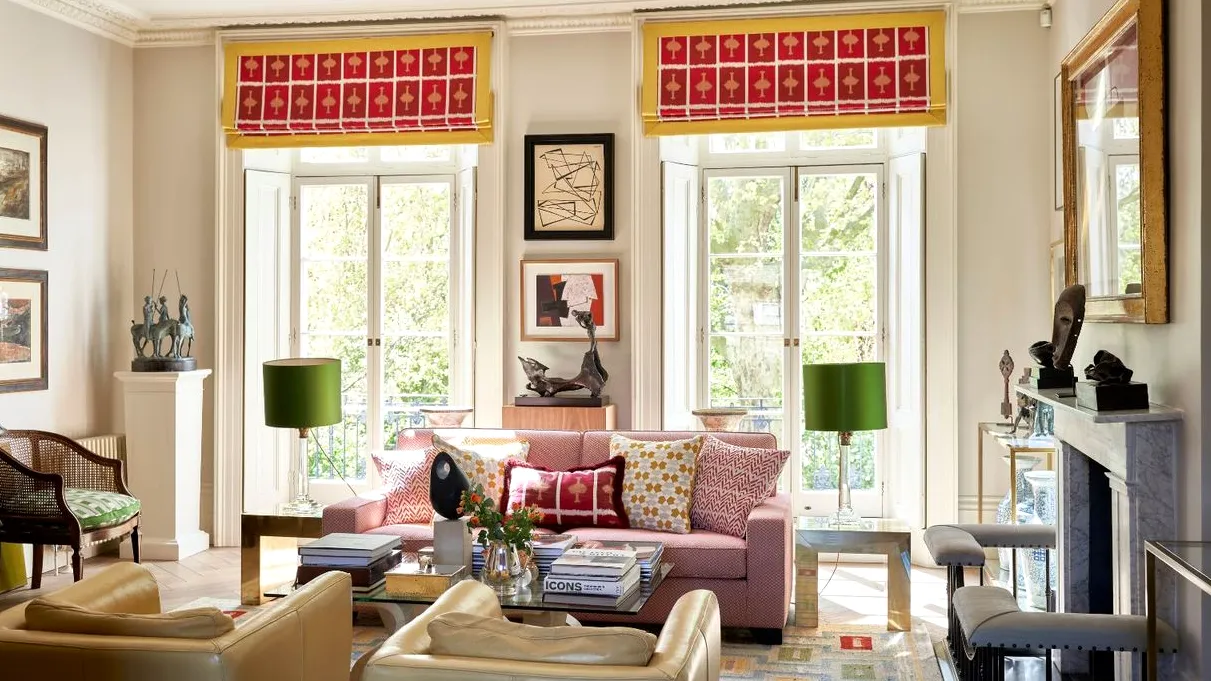
This spring, the conversation around interiors is shifting toward smarter, more layered choices: treatments that feel decorative without becoming fussy, private without making a room cave-like, and flexible enough to handle everything from street-facing living rooms to backyard pool views. If you are choosing between blinds, shades, curtains, shutters, and privacy screens, the right answer is not the prettiest option on Pinterest. It is the one that matches your light, layout, storage habits, and daily routine.
That is where a comparison guide helps. Instead of treating every window the same, you can choose the finish that actually works for your space.
Window treatments compared at a glance
| Treatment | Best For | Privacy Level | Light Control | Style Impact | Maintenance | Works Best In |
|---|---|---|---|---|---|---|
| Roller shades | Minimal rooms, easy everyday use | Medium to high | Excellent, especially blackout or sunscreen options | Clean and modern | Low | Bedrooms, home offices, kitchens |
| Roman shades | Softening a room without full curtains | Medium to high | Very good | Tailored and decorative | Medium | Dining rooms, living rooms, guest rooms |
| Venetian or slatted blinds | Precise light adjustment | Medium | Excellent directional control | Practical, can feel dated if poorly chosen | Medium | Bathrooms, offices, utility spaces |
| Full-length curtains or drapery | Adding height, softness, drama | Low to high depending on fabric and lining | Good when layered | Highest visual impact | Medium to high | Living rooms, bedrooms, French doors |
| Plantation shutters | Architectural polish and long-term value | High | Very good | Crisp and upscale | Low | Street-facing rooms, period homes, sunny spaces |
| Sheer panels | Filtered light and softness | Low to medium | Low to moderate | Airy and relaxed | Medium | Layered living rooms, sunrooms |
| Exterior privacy screens or landscape screening | Protecting backyard views without heavy indoor coverings | High outdoors, indirect indoors | Preserves natural light better than blackout indoor solutions | Subtle luxury | Medium | Pool areas, patios, large rear windows |
If privacy is your main issue, do not automatically choose blackout
This is where many people overspend or overcorrect. If your living room faces the street, your first instinct may be blackout panels. But blackout fabric solves one problem by creating another: it can flatten the room, hide architectural features, and make daytime spaces feel shut down.
A better comparison is daytime privacy versus total privacy. If you want to stop passersby from seeing in while keeping the room bright, top contenders are sunscreen roller shades, sheers layered with drapery, or shutters with adjustable louvers. If the room is a bedroom and early light is your enemy, blackout lining makes more sense.
Best choices for privacy without losing the room
- Sunscreen roller shades: These filter harsh sunlight and reduce visibility from outside during the day, while keeping a cleaner look than bulky blinds.
- Layered sheers and drapes: You get softness all day, then full privacy at night by closing the outer panel.
- Shutters: Excellent if you want privacy, airflow, and a more permanent design statement.
There is a hidden factor here: night visibility. Many people forget that some privacy fabrics work beautifully in daylight but become nearly transparent once interior lights go on. If your room is heavily used after dark, test samples under both conditions before buying.
For spring style, softness is winning over harsh utility
One clear design shift this season is the move away from bare, purely functional windows. Rooms are getting a spring refresh through texture, color, and layered materials rather than one-size-fits-all white blinds. Think relaxed Romans in woven fabrics, striped or color-accented panels, and treatments that feel like part of the room’s palette instead of an afterthought.
This matters from an organization standpoint too. A room that feels finished is easier to keep tidy because visual noise drops. When the window treatment is doing design work, you do not need to compensate with extra decor, overstyled shelves, or a crowded console table.
If your home tends to collect little piles on every surface, your fix may not be another basket. It may be stronger visual structure. The same logic that makes drawer organizers so effective indoors applies here: when elements are contained and intentional, the whole space reads calmer.
Best treatment styles for a spring update
- Roman shades in linen blends: Great for adding softness while keeping a tailored profile.
- Curtains with subtle color contrast: A trim edge, warm stripe, or muted floral can lift a plain room instantly.
- Woven shades: Ideal if you want texture and a natural, slightly relaxed feel.
- Double-layer systems: Sheers plus a heavier panel give flexibility and a more custom look.
Want a simple rule? If the room already has a lot of pattern, choose texture. If the room is plain and neutral, this is where a little color can carry the design.
Blinds vs shades: which is actually better for daily life?
This is the comparison most homeowners are really making. Blinds offer precision. Shades offer visual simplicity. The winner depends on how you use the room.
Choose blinds if you need adjustability
Slatted blinds let you tilt light exactly where you want it. That is useful in bathrooms, workspaces, and rooms with direct sun that shifts through the day. The downside? Dust. Also, lower-end blinds can make an otherwise polished room look temporary.
Choose shades if you want the room to look more expensive
Roller and Roman shades usually create a cleaner line. They disappear more neatly when raised and feel less busy visually. In small spaces, that matters. A crowded window treatment can make the entire room feel cluttered, even when nothing is actually out of place.
Quick decision rule: If you talk about the room in terms of function, choose blinds. If you talk about it in terms of mood, choose shades.
The backyard factor: indoor treatments are not your only privacy tool
Large rear windows, patio doors, and pool-facing walls create a different challenge. You want privacy, but you also want the view. This is where exterior screening can outperform heavier indoor treatments.
Think hedging, slatted fencing, pergola screens, frosted side panels, or strategically placed planters. These create a softer barrier and let you maintain natural light inside. The effect is especially elegant around a pool, where thick interior curtains can feel disconnected from the open, serene atmosphere you are trying to create.
There is also a practical benefit: reducing direct solar exposure can help moderate heat before it enters the room. That means less glare on floors, less fading on fabrics, and a more comfortable interior overall.
The same principle shows up in garden care too. When seedlings are stressed by heat, a little filtering and protection often works better than extreme intervention. Your windows are no different. Not every problem needs a total blackout solution.
Which treatment works best room by room?
Living room
Best choice: Layered drapery plus a shade. You get softness, better light control, and a designer look that works with everything from French doors to apartment windows.
Bedroom
Best choice: Blackout roller shade with decorative curtain panels. This gives true sleep support while keeping the room from looking utilitarian.
Kitchen
Best choice: Simple roller shade or moisture-friendly Roman shade. Easy to wipe down, compact, and less likely to collect cooking residue than full drapes.
Bathroom
Best choice: Faux wood blinds or shutters. Both handle humidity better than many fabric options and maintain privacy.
Patio door or backyard-facing glass wall
Best choice: Sheers, ripple-fold drapery, or outdoor privacy screening. You want movement, softness, and preserved views.
Storage-minded design detail most people miss
Window treatments affect more than the window. They influence what you need around it. A poorly chosen treatment often creates a chain reaction: extra floor lamps because the room feels dim, extra decor because the walls feel bare, extra baskets because surfaces start collecting visual clutter.
That is why good interior design and good organization are so closely linked. If your room feels chaotic, ask whether the window is creating the problem. Is glare forcing you to avoid part of the room? Is a bulky blind making the wall feel cramped? Is a lack of privacy making you keep panels shut all day?
When every zone has a clearer function, staying organized gets easier. The same logic behind using drawer dividers in a messy vanity or kitchen drawer applies to sightlines and sunlight: division, control, and clarity reduce stress.
Mistakes to avoid before you buy
- Choosing based on showroom lighting: Your room’s orientation changes everything. West-facing windows need a tougher strategy than north-facing ones.
- Ignoring stack-back: Drapes need wall space when open. If you have narrow margins around the window, a shade may be smarter.
- Mounting too low: Hanging drapery closer to the ceiling makes rooms feel taller and more finished.
- Forgetting fabric behavior: Linen blends drape beautifully but can relax over time. Very stiff fabrics may look crisp but less inviting.
- Using one treatment throughout the whole house: Consistency is nice, but a bedroom and a kitchen do not need the same performance.
The smartest way to choose
If you feel stuck, decide in this order: privacy, light, mood, maintenance. Not the other way around. A beautiful treatment that annoys you every morning is a bad purchase. A practical one that kills the room’s atmosphere is not much better.
So ask yourself: do you need to sleep, soften, shield, or show off the view? Once you answer that, the shortlist gets much smaller.
For most homes this spring, the sweet spot is a layered approach—something that filters light in the day, adds softness year-round, and protects privacy without turning your room into a cave. That is the real upgrade: not just better-looking windows, but a home that feels calmer, more intentional, and easier to live in every single day.