The most useful home upgrades aren’t always the biggest ones. Sometimes they’re tucked above a garage in the form of a beautifully planned carriage house. Sometimes they fit in the palm of your hand, like a mini pruning saw that makes awkward garden jobs easier. And sometimes they show up disguised as luxury gifts that actually solve everyday clutter, comfort, and styling problems. That combination may sound random, but it points to a very real shift: people are prioritizing smaller, smarter, more flexible home investments that improve how a space looks and works without demanding a full renovation.
If you’ve been noticing more interest in compact guest quarters, lightweight tools, and elevated everyday objects, you’re not imagining it. The throughline is clear. Homeowners and renters alike are leaning toward purchases that do double duty: beautiful and practical, compact and hardworking, indulgent and useful. For anyone following home organization and storage trends, that matters, because the next wave of “luxury” is less about excess and more about efficiency with style.
The quick read on the trend
- Small-footprint living is getting a style upgrade. Secondary spaces like carriage houses, over-garage apartments, and guest suites are being designed with the same care as primary homes.
- Mini tools are having a moment. Gardeners and homeowners want lightweight gear that handles precise jobs without taking over the shed.
- Gift buying is shifting toward useful luxury. People are choosing elevated home items that feel special but still earn their place in a cabinet, closet, or bedside setup.
- Storage pressure is driving all of it. When every square foot counts, compact design and multi-use products become much more attractive.
This is less a passing aesthetic fad and more a buyer decision trend. People are editing their homes and purchases more carefully. They want items that justify their footprint, visually and functionally.
Why the carriage-house story matters beyond architecture
A well-designed carriage house hidden above a garage captures one of the strongest currents in interior design right now: small spaces no longer have to look temporary, improvised, or second-tier. That matters if you’re planning a guest suite, in-law setup, studio, or work-from-home retreat. The lesson is bigger than one pretty space.
What makes this type of home especially relevant is the tension it resolves so well:
- It’s compact, but it doesn’t feel cramped.
- It’s separate, but still connected to the main property.
- It may be “temporary” in function, but permanent in quality.
- It often uses overlooked square footage instead of expanding the home’s footprint dramatically.
That last point is key. Over-garage living spaces appeal because they tap underused volume. If you’re short on storage, guest accommodations, or privacy, that kind of adaptation is incredibly efficient. Instead of asking, “Do I need a bigger house?” more people are asking, “What can this house do that I’m not seeing yet?”
The design takeaway for your own home
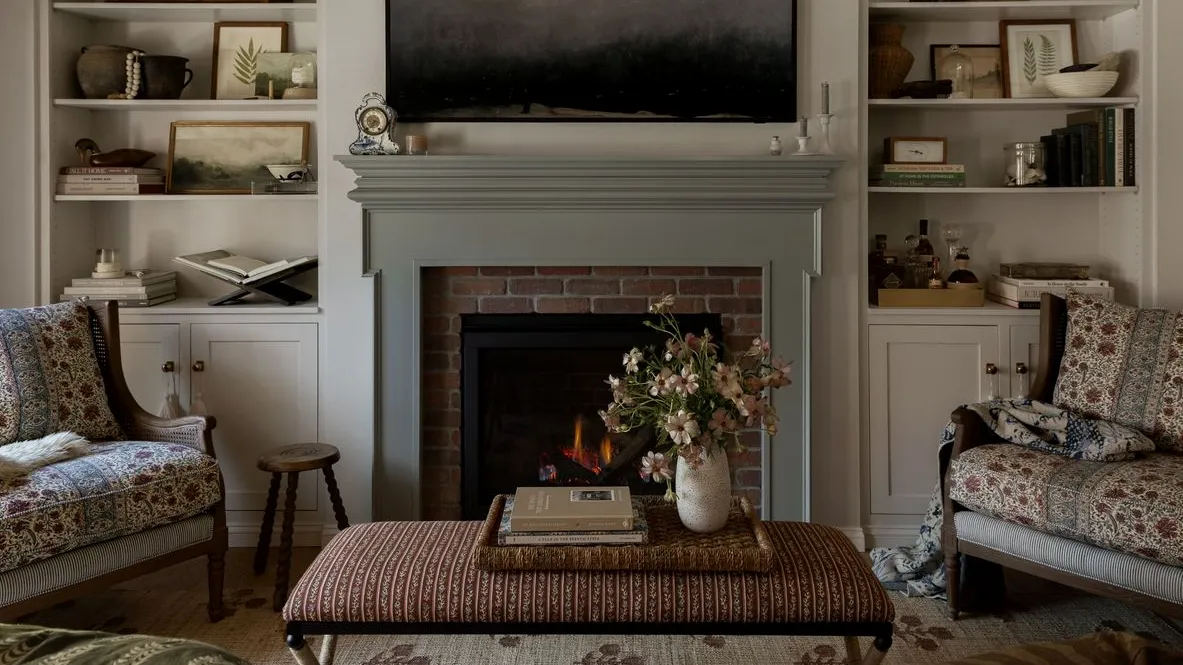
The carriage-house appeal isn’t just about architecture with English-style charm, soft color, built-ins, or layered textiles. It’s about planning a smaller zone so carefully that every element earns its keep. That means:
- Built-ins over bulky furniture when floor area is tight
- Warm, lived-in finishes that keep compact rooms from feeling sterile
- Dual-purpose pieces like ottomans, benches, and side tables with hidden storage
- Defined functional zones even within one open room
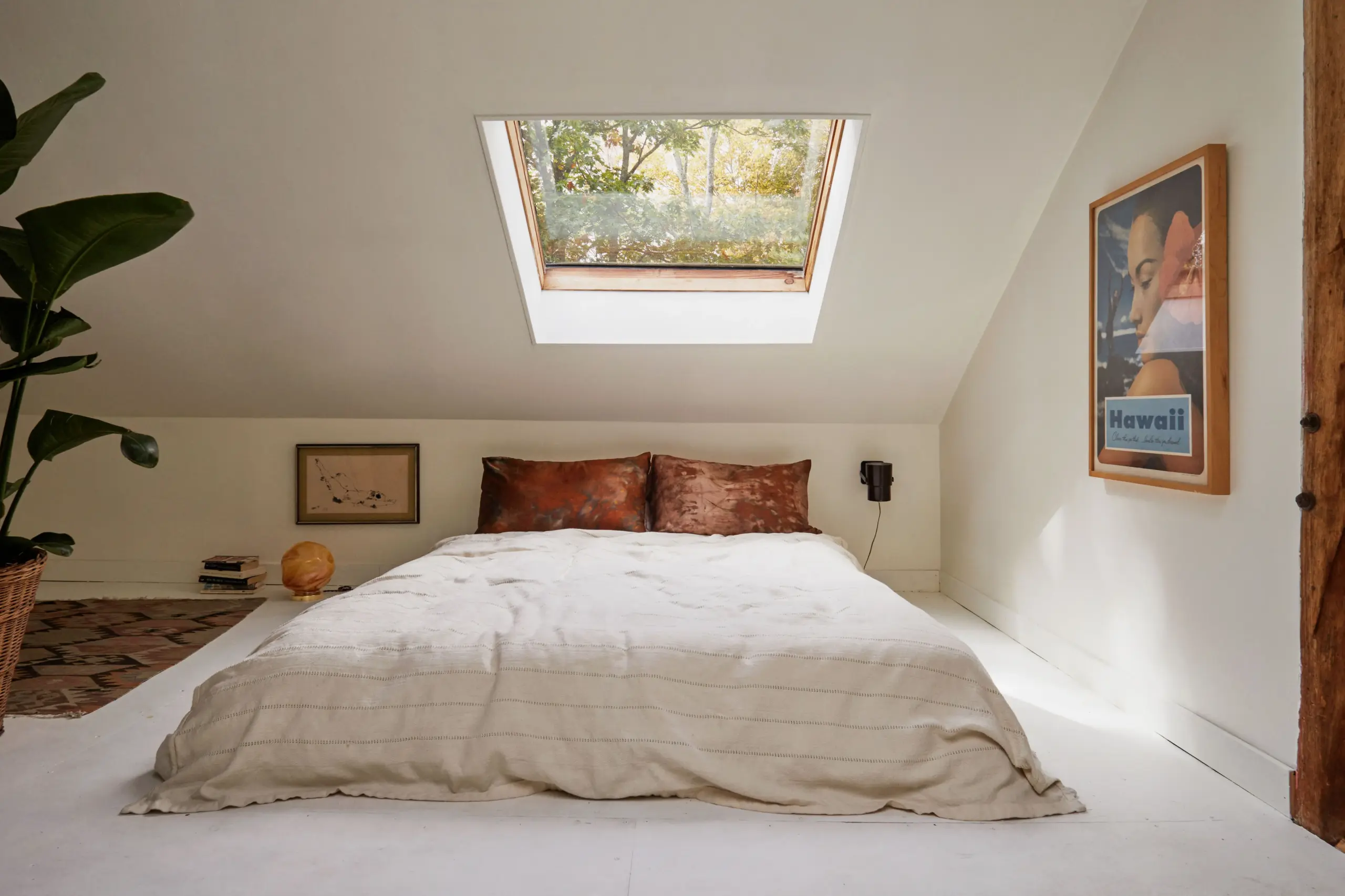
One of the smartest ways to borrow this thinking is to treat a spare room, attic conversion, or garage-adjacent area like a complete mini home. Don’t just fill it. Edit it. Build in storage where possible, soften hard surfaces with texture, and choose fewer pieces with stronger function.
Small-space rule that designers rarely say bluntly enough: the more visually calm a room feels, the more spacious it reads. Clutter isn’t only physical; it’s also visual noise.
The rise of the mini tool: less bulk, more precision
The mini Japanese pruning saw may seem like a separate story, but it fits the same consumer mood perfectly. Homeowners are increasingly drawn to tools that are lighter, easier to store, and tailored to specific jobs rather than oversized gear that feels intimidating or excessive.
Why is that happening now?
- More people are doing targeted maintenance themselves. Not a full landscape overhaul, just smarter upkeep.
- Outdoor spaces are being treated like extensions of the home. Cleaner shrubs, tidier garden beds, and better-maintained boundaries improve curb appeal fast.
- Storage space is tighter than ever. A compact, sturdy tool is easier to keep than a lineup of bulky single-use equipment.
- Precision matters. For awkward branches and tricky pruning jobs, a smaller saw can be more effective than a larger, clumsier option.
There’s also a practical safety and usability angle. Lightweight tools reduce fatigue, which means you’re more likely to finish the task neatly instead of rushing and making rough cuts. For pruning, that matters. Clean cuts are better for plant health, and a tool designed for control can make a visible difference.
What this means for storage-minded homeowners
If your garage, mudroom, or utility zone is constantly overflowing, mini tools are more than a shopping trend; they’re a storage strategy. Fewer oversized items means easier categorization, better access, and less friction when a quick job pops up.
- Choose compact tools for recurring tasks like pruning, snipping, spot-cleaning, and touch-up painting
- Store by frequency, not category alone so your most-used gear stays easiest to reach
- Use vertical wall space for hanging hand tools instead of letting them pile into bins
- Keep a “quick jobs” kit with gloves, pruners, a mini saw, twine, and garden ties
That last move is underrated. When small maintenance tasks are easy to start, they actually get done. And when they get done regularly, your yard, garage, and entry sequence stay under control instead of turning into weekend-long recovery projects.
For indoor utility spaces, compact containment matters just as much. A set of well-chosen drawer organizers can turn a chaotic catchall full of batteries, clips, measuring tapes, and garden gloves into a system you’ll actually maintain.
Luxury gifts are becoming more practical — and that changes buying habits
The luxury gift market offers another clue about where home preferences are heading. High-end gifting used to skew decorative for decoration’s sake. Now, many of the most desirable items blend polish with usefulness: robes you’ll wear daily, candleholders that double as sculptural decor, elegant organizers, upgraded bedside pieces, or beautiful tabletop objects that make everyday routines feel more intentional.
This matters for the home category because gifting often previews broader consumer behavior. People may justify a “treat” purchase faster when it solves a problem, elevates a routine, or helps a room feel finished. In other words, practical luxury is outperforming empty luxury.
The home-edit lens for gifting
If you’re shopping for someone who seems to have everything, the best approach is no longer “find something more extravagant.” It’s “find something that upgrades how they live without adding clutter.” That’s a very different filter.
- Look for repeat-use items instead of novelty pieces
- Prioritize quality materials that age well and store beautifully
- Choose objects that replace a lesser version, rather than requiring new space
- Favor elegant utility over random statement-making
Think about the difference between gifting one more decorative object versus gifting something that improves a nightly wind-down routine, organizes a vanity, or makes a guest room feel hotel-level polished. Which one will still feel relevant six months from now?
The real thread connecting all three stories
On the surface, a carriage house, a pruning saw, and luxury gifts don’t belong in the same conversation. But they do when you look at the underlying demand signals.
- People want compact solutions.
- They want form and function together.
- They’re more willing to invest when an item solves a real-life friction point.
- They’re thinking harder about footprint — spatial, visual, and financial.
That’s especially relevant in home organization. Every purchase now competes not just on price or beauty, but on whether it deserves storage space, maintenance, and attention. The best products and design ideas are winning because they reduce drag. They make daily life smoother.
Expect to see more of these micro-upgrades
- Smaller secondary living spaces styled with full-scale design ambition
- Compact specialty tools for precise jobs around the home and garden
- Giftable home pieces that feel indulgent but still practical
- Storage systems that support daily use, not just visual tidiness
This is where many homeowners get tripped up: they chase big transformations while ignoring the friction of small daily annoyances. A cramped guest zone, a messy utility drawer, a garden task that never gets handled because the tool setup is too cumbersome — those are the issues shaping how a home actually feels.
How to apply the trend without buying random stuff
If you want to use this trend well, resist the temptation to collect “mini” or “luxury” items just because they’re stylish. The smartest approach is more disciplined.
- Audit your pain points first. Is your issue storage, guest readiness, tool sprawl, or underused square footage?
- Buy for a specific job. A mini saw makes sense if you regularly handle pruning jobs; it’s not automatically a must-have.
- Upgrade dead space. Above-garage, alcove, landing, and spare-room zones often have more potential than you think.
- Choose one beautiful workhorse item over three mediocre ones.
- Make organization support the object. Even the best purchase becomes clutter if it has no home.
One expert-level tip: when evaluating any home item, ask whether it solves for frequency, friction, and footprint.
- Frequency: Will you use it often?
- Friction: Does it make a recurring task easier?
- Footprint: Does it justify the space it occupies?
If the answer is yes to all three, it’s probably a smart addition. If not, it may just be beautifully packaged clutter.
The takeaway for organized, stylish living
The most interesting home trend right now isn’t maximal luxury or bare-minimum minimalism. It’s intentional usefulness. A thoughtfully designed mini home, a compact tool built for precision, and a gift that adds beauty without adding chaos all point in the same direction: smarter living through better-edited choices.
So if you’re refreshing your home this season, start smaller than you think. Look at the awkward corner, the overstuffed drawer, the garden task you keep postponing, the guest area that never feels finished. Those are often the highest-return upgrades of all. And unlike trendier big-ticket changes, they tend to make your home feel better almost immediately.