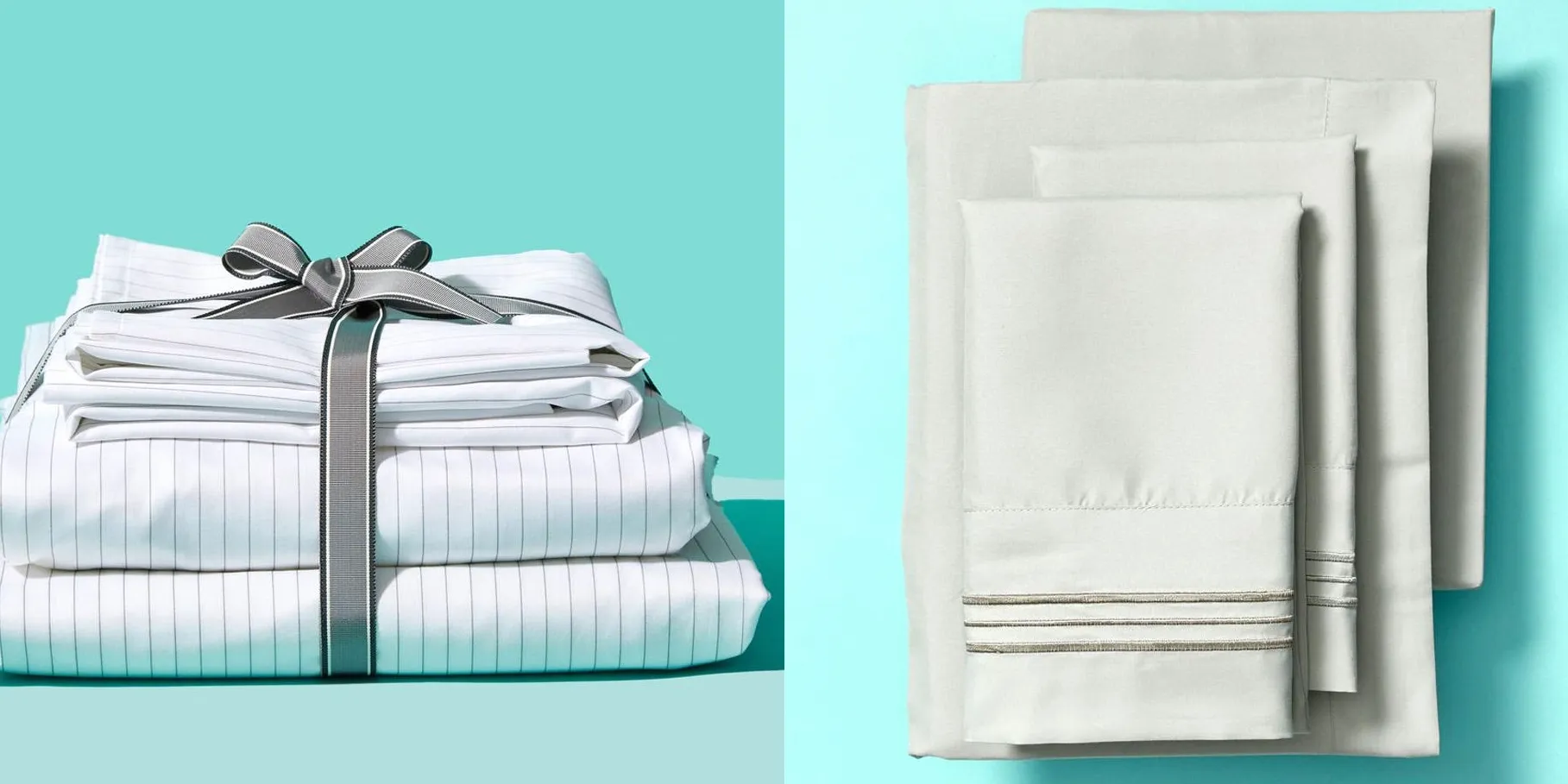
More than 390 sheet sets and 25,000+ nights of testing have proven one surprisingly practical truth: the right bedroom choices aren’t just about comfort—they’re about systems. When your bedding performs well, your laundry routine gets simpler. When your walls and decor follow a repeatable design rule, your room looks pulled together without constant tweaking. And when your storage decisions are intentional, clutter stops multiplying overnight.
This matters now because bedrooms are doing more than ever: sleep sanctuary, reading nook, sometimes workspace, and often the default storage zone for “I’ll deal with it later.” The fix isn’t a total remodel. It’s a strategic combination of high-performing essentials, a repeatable styling principle, and a few decluttering rules that keep the space functional long-term.
Start With the Biggest Visual (and Maintenance) Win: Your Bedding System
In most bedrooms, the bed takes up the most visual real estate. That’s why bedding is a powerful lever for both interior design and home organization. A high-quality sheet set doesn’t just feel better; it tends to hold up longer, wash more predictably, and look neater with less effort—meaning fewer replacements, fewer “backup” sets clogging your linen closet, and fewer last-minute laundry emergencies.
Testing at the scale of 390+ sheet sets across 25,000+ nights points to a key organizational takeaway: treat sheets like a core household tool, not a disposable trend item. When bedding performs, you can simplify to a tighter rotation (typically two sets per bed: one on, one in the wash) and reclaim storage space.
A simple, immediately useful bedding setup
- Two sheet sets per bed: one in use, one ready. If you have three or more “just in case” sets, you’re likely storing decisions, not necessities.
- One duvet + one spare cover: covers are easier to launder and store than multiple bulky comforters.
- One seasonal layer: a breathable blanket for warm months or a warmer layer for cold months—store the off-season layer in a labeled bin.
Quick organizing tip: Store each sheet set inside one of its matching pillowcases. It creates a self-contained bundle that stacks neatly and prevents the “where’s the fitted sheet?” mess.
Once the bed is streamlined, the rest of the room becomes easier to edit—because you’ve eliminated one of the most common clutter triggers: laundry overflow and linen sprawl.
Use the “Rule of Threes” to Make Your Room Look Designed (Not Decorated)
The rule of threes shows up across design disciplines for a reason: odd-number groupings feel more natural, dynamic, and intentional than single items scattered around a space. In garden design, professionals often recommend planting in small groups—three, five, or seven—instead of placing solitary “specimen” plants everywhere. The same logic applies indoors: repeating a few elements in an intentional grouping reads as cohesive rather than cluttered.
In a bedroom, the rule of threes can become a decluttering tool. Instead of many small objects competing for attention (and collecting dust), you can style a surface with three purposeful pieces and put the rest away.
Where the rule of threes works best indoors
- Nightstand styling: lamp + book + catchall dish (three items, all functional).
- Dresser top: tray + vase + framed photo, leaving negative space so the surface doesn’t become a landing pad.
- Wall decor: a trio of frames or a balanced grouping that reads as one statement.
When not to force it
Just like in outdoor design, the rule is a guide, not a law. Don’t use “three” as an excuse to buy extra things. If one bold object does the job—a large mirror, a strong table lamp, a single art piece—let it stand alone. The goal is presence and intention, not filling space.
This sets you up for the next step: using creative finishes to get a high-impact look without adding more furniture or decor to manage.
High-Impact Style, Low Clutter: Try a Painted “Wallpaper” Feature
If your bedroom feels bland, it’s tempting to add more stuff: extra frames, more decor, another chair, another shelf. But a more strategic move is to add interest to the surfaces you already have. A hand-painted “wallpaper” approach can deliver a dramatic transformation with minimal physical clutter—because it’s visual richness without additional objects.
A standout example: a designer created a DIY painted floral wall treatment for about $100. That number matters for two reasons. First, it’s a reminder that design impact isn’t always tied to expensive materials. Second, it supports an organization principle: when your walls carry more character, you can often scale back on decorative items that need to be stored, dusted, and rearranged.
A practical approach to DIY painted wallpaper (without chaos)
- Keep the palette tight: choose 2–3 paint colors. This aligns with the “threes” concept and prevents visual noise.
- Test one repeatable motif: a simple floral, geometric, or vine pattern you can replicate without perfectionism.
- Use painter’s tape boundaries: define a feature zone behind the headboard or on one wall, so the project stays contained.
- Declutter before you paint: clear surfaces and remove wall hangings so you’re not shifting piles from corner to corner.
Think of it as “design density” without “object density.” Your room looks layered and intentional, yet you own fewer items that require storage.
Borrow a Mindset From Precision Tools: Make the Bedroom Easy to Reset
Even outside the home sphere, there’s a lesson worth stealing from high-performance gear: the best tools are chosen for reliability under real conditions. In a bedroom, “real conditions” include rushed mornings, late-night toss-and-turns, laundry cycles, and the occasional week when tidying falls apart.
So build your bedroom like a system that can handle life—one that resets quickly. The common thread between well-tested essentials, design rules like grouping, and low-clutter wall treatments is repeatability. You should be able to return the room to calm in minutes, not hours.
A 10-minute nightly reset that actually sticks
- Minute 1–2: Put dirty clothes in a hamper (not a chair). If needed, add a second hamper: lights/darks.
- Minute 3–5: Clear the bed surface—no unfolded laundry piles. The bed is for sleep, not storage.
- Minute 6–8: Reset “surfaces in threes” (nightstand and dresser): return to your chosen trio and remove extras.
- Minute 9–10: Do a quick floor sweep: shoes to a tray, cords to a clip, bags to a hook.
Immediate recommendation: If clutter regularly lands in one spot (the chair, the corner, the foot of the bed), don’t rely on willpower. Add one targeted solution: a lidded basket for throws, a wall hook for bags, or an under-bed bin for off-season items. One problem area, one container, one rule.
Conclusion
A bedroom that stays organized and beautiful isn’t built on constant effort; it’s built on smart choices. Prioritize high-performing bedding to reduce laundry friction and linen clutter, use the rule of threes to style with intention, and consider a painted feature wall for impact without adding more objects.
Once these systems are in place, your bedroom becomes easier to reset, easier to maintain, and more restful to live in—and it’s ready to evolve with your needs instead of fighting them.