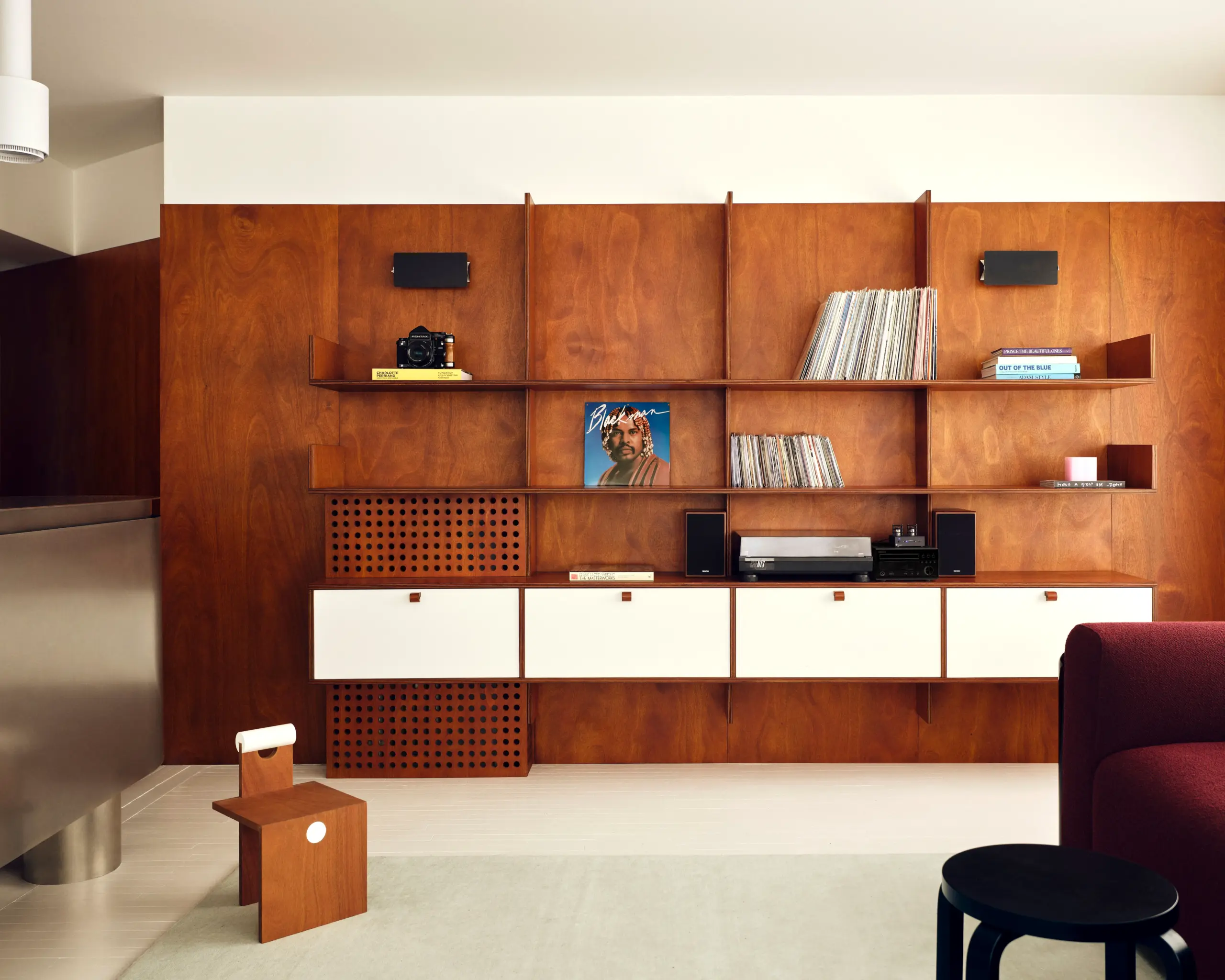
A 753-square-foot apartment can feel airy, intentional, and calm—or it can feel like a storage unit with a sofa. The difference isn’t square footage. It’s strategy. Right now, more people are trying to make small homes work harder (often with a kitchen that has to store everything and a living room that has to do everything), and the smartest solutions are surprisingly simple: a few flexible containers, a design theme that controls visual noise, and low-maintenance greenery that adds life without adding chores.
Design a “visual system” first, then organize into it
Decluttering usually starts with a trash bag. But lasting organization starts with something less obvious: a visual system. When a home has a coherent design language—materials, colors, and a repeated motif—storage looks like decor instead of clutter. That’s why small spaces benefit so much from a strong but subtle theme. A non-cheesy nautical spin, for example, can guide choices toward streamlined shapes, lighter woods, and crisp contrasts, so even functional items feel deliberate rather than random.
Use the same approach even if you never say “theme” out loud. Pick 2–3 core materials and stick to them in your storage decisions:
- Natural fibers (jute, cotton, rattan) for warmth and texture
- Light woods or pale neutrals to keep small rooms from feeling heavy
- One accent tone (navy, black, or brass) to make containers and hardware look coordinated
This is where organization and interior design stop fighting each other. Once your storage “belongs” visually, you’re more likely to put things away—because it doesn’t feel like you’re ruining the room every time you tidy up.
Swap bulky containers for flexible, low-waste storage in the kitchen
Summer kitchens get chaotic fast: produce on the counter, snacks for outings, extra herbs, and odds and ends that don’t fit neatly in a pantry. Instead of adding more hard plastic bins, consider flexible storage that collapses when not needed. Lightweight jute-and-cotton bags are a standout option because they pull double duty: they reduce single-use packaging and help keep everyday foods contained without demanding permanent shelf space.
One of the most practical upgrades is adding a small set of reusable food storage bags—some options cost as little as $6, making it an easy experiment with a high payoff. Use them to create instant “zones” in cabinets and drawers:
- Breakfast grab zone: oatmeal packets, tea bags, coffee filters
- Snack station: granola bars, nuts, dried fruit
- Produce support: onions or garlic stored neatly (and easy to move off the counter)
For maximum order, pair flexible bags with structured dividers so small items don’t migrate. A set of Drawer Organizers can turn one messy kitchen drawer into a predictable layout where bags, clips, and wraps each have a lane.
Actionable tip: Create a “one-hand rule” for your kitchen: if you can’t grab the item and close the cabinet with one hand, you probably have too many loose micro-items. Consolidate them into bags or small bins until the one-hand rule feels natural.
Choose statement greenery that doesn’t create maintenance clutter
Plants make a home look finished. But high-maintenance plants can quietly create a new category of clutter: grow lights, special fertilizers, dropped leaves, and constant repositioning. If you want the impact of a dramatic indoor tree without the drama, consider a lower-maintenance alternative to the famously finicky fiddle leaf fig: Ficus Audrey.
From an organization perspective, Ficus Audrey earns its place because it can deliver the same sculptural, interior-design punch as trendier options while being easier to live with. Placed next to a textured piece like a rattan chair, it brings height and softness—two qualities that make small spaces feel more layered and “designed,” even when you’re hiding storage in plain sight.
To keep plant care from becoming countertop clutter, set up a tiny, contained plant station:
- One watering can (stored under the sink or on a dedicated shelf)
- A single tray for pruning scissors and wipes
- One bag/bin for spare potting supplies, kept out of sight
Actionable tip: Limit yourself to one plant-care container per room. If supplies don’t fit, you have too many supplies—or too many plant-care “extras.” This boundary keeps the plant from becoming an organizational project.
Make small spaces feel larger with hidden storage and “zone thinking”
When a home is under 1,000 square feet, every surface becomes a magnet. The antidote is zone thinking: assign each activity (music, lounging, working, eating) a defined footprint, then build storage that supports it. This is especially powerful in multifunctional rooms where one person’s hobby can quickly colonize the entire apartment.
Start by mapping your home into micro-zones:
- Landing zone: keys, bags, sunglasses
- Media zone: speakers, records, remotes
- Care zone: laundry, cleaning tools, refills
- Calm zone: reading chair, plant, throw blanket
Then decide what gets to be visible. In small spaces, “pretty clutter” still reads as clutter unless it’s extremely edited. A cohesive interior direction—like clean nautical cues without novelty—helps you keep only what supports the vibe. If it doesn’t match the system, it’s easier to let it go.
Finally, upgrade your highest-friction storage area: the closet. Closet overload often spills outward into bedrooms and living rooms, turning chairs into wardrobes and floors into staging areas. Adding Closet Organizers creates vertical structure so you can store more while seeing less—an essential trick for making a compact home feel calm.
Practical recommendation: If you’re unsure where to invest first, choose the storage upgrade that removes items from sightlines. In a small apartment, clearing visual clutter (open shelves, chair backs, countertops) delivers a bigger perceived “space gain” than perfecting a hidden drawer.
A simple 30-minute reset routine that keeps it all working
The best systems don’t require weekend-long cleanouts to stay functional. They rely on short resets that prevent drift. Try this 30-minute routine once a week:
- 10 minutes: Return kitchen items to their zones (bags, clips, snacks, produce)
- 10 minutes: Clear one high-visibility surface (entry table, coffee table, counter)
- 10 minutes: Quick care sweep (water the plant if needed, toss wilted greens, restock one essential)
This works because it aligns with how small homes fail: one or two “hot spots” overflow, then everything feels messy. A short, predictable reset keeps your visual system intact and your storage doing its job.
Key takeaways: Choose a cohesive design direction so storage looks intentional, use flexible reusable bags to reduce kitchen clutter and waste, and opt for low-maintenance greenery like Ficus Audrey for high style with less fuss. Build zone-based storage—especially in closets and drawers—so the items you use daily never compete for space. With a consistent weekly reset, your home can stay organized as your needs change, season after season.