Designing Distinctive Spaces: From Moroccan Airbnbs to Tiny Cottage Discoveries
When living spaces are treated as canvases, the interplay of material, color and craft can elevate an environment from functional to unforgettable. Across continents and formats—from sun-washed riads to compact cottages—stylists and homeowners alike are embracing intentional design that balances bold personality with thoughtful details. This round-up explores how modern makers reimagine destinations for leisure, habitation and celebration, reminding us that well-curated spaces begin with an audacious vision and the confidence to experiment.
Warm, Earthy Oases in Morocco: Personality Driven Retreats
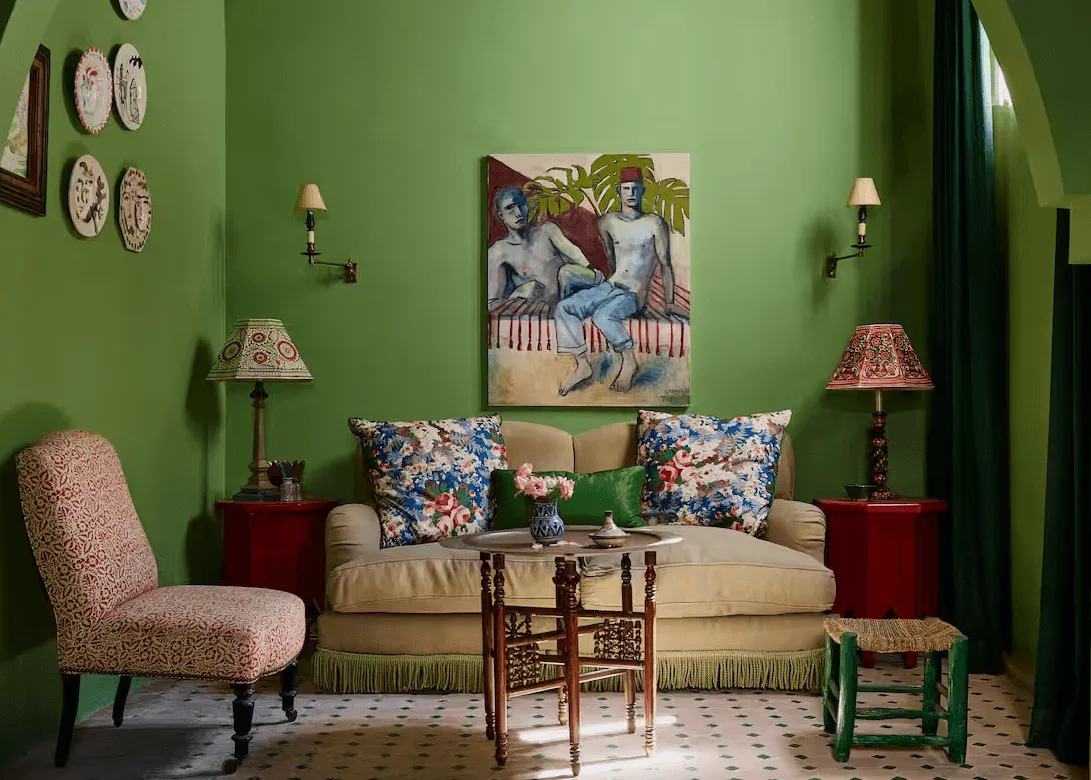
Morocco continues to enchant travelers seeking immersive experiences, and a new crop of Airbnbs encapsulates the nation’s artistry in architecture and interiors. These homes are less about minimalism and more about an embrace of warmth—textures that feel tactile, palettes that recall desert sunsets, and heirloom craftsmanship that weaves stories across every tile and textile.
The selection of retreats reflects a renewed appreciation for traditional techniques rendered with contemporary sensibilities. Courtyards framed with intricate plasterwork brim with verdant plants, while hand-painted tiles of cobalt, ocher and terracotta command attention in kitchens and baths. Furniture pieces often lean into organic, sculptural forms, balancing raw timber and brass with plush upholstery to ensure comfort without sacrificing drama.
Hosts emphasize curated collections from local artisans. Walls are layered with woven tapestries, hand-carved mirrors, and artisanal ceramics. Bedrooms are dressed with layered linens infused with natural dyes, and lighting fixtures—often made of brass or blown glass—cast a glow that feels like candlelight even after sundown. These choices foster a sense of place, inviting guests to slow down and tune into the rhythms of the medina rather than treating the stay as merely a stopover.
Craftsmanship Meets Color
Beyond individual décor items, the homes celebrate Moroccan craftsmanship as an integral part of the narrative. Artisanal marquetry, mosaic work, and ikat textiles are not used sparingly but are woven throughout the entire property, creating cohesive journeys from entryways to terraces. Such residences prove that when spaces are designed around local materials and artisans, they do more than offer shelter—they tell a cultural story.
Small Footprints, Big Impact: A Tiny Cottage Gets a Fresh Breeze
Compact dwellings continue to gain traction, particularly for those looking to downsize without sacrificing comfort. A tiny cottage tucked among Amazon’s offerings highlights this movement with a clever addition: a built-in fan that speaks to both functionality and ingenuity. Rather than relying on bulky fixtures that can overwhelm limited square footage, this cottage integrates ventilation into its architecture, preserving sightlines and reinforcing the minimalist ethos.
Built-in fans contribute to better airflow without dominating the interior. The cottage’s designers prioritized ambient lighting, multi-functional furniture, and natural materials to carve out a calm refuge. With thoughtful storage solutions and convertible spaces—such as benches that double as drawers and fold-down tables—the layout emphasizes flexibility. This makes the space ideal for solo adventurers, couples seeking weekend getaways, or creative professionals in need of serene studios.
For those inspired to take on a spring DIY project, the cottage serves as a blueprint. Home enthusiasts can replicate the built-in fan concept by pairing slender ceiling vents with quiet motors, ensuring consistent circulation without resorting to oversized units. When combined with light, neutral palettes and tactile finishes like unfinished wood or lime plaster, these compact spaces radiate comfort rather than confinement.
Sweet Rivalry in the Kitchen: Lemon Bars That Spark Debate
Food lovers are no strangers to spirited discussions, and lemon bars have become the latest focal point for friendly rivalry. Two culinary personalities—each with a devoted following—present their takes on this citrusy classic. Both recipes earn praise for their balance of tanginess and sweetness, yet they diverge in technique and texture, offering fans a chance to sample variations before choosing a favorite.
One interpretation leans on a buttery shortbread crust flecked with coarse sugar, creating a crumbly base that contrasts with a glossy lemon custard. The custard itself shines through with bright zest and a whisper of vanilla, giving the bars a luxurious mouthfeel while keeping the citrus profile sharp. The topper is a dusting of confectioners’ sugar, lending an elegant finish reminiscent of a patisserie window.
The alternative recipe introduces a slightly firmer crust, achieved through a longer chill time, which keeps the bars neat when sliced for gatherings. The filling balances lemon juice with a hint of elderflower syrup, layering floral notes atop the tartness. The final result has a refined, almost torte-like quality, and is often garnished with candied lemon slices or a scattering of freshwater mint leaves to elevate the presentation.
With both versions banking on quality ingredients and precise ratios, the debate is less about supremacy and more about preference. Whether baked for a cozy afternoon tea or plated for an upscale brunch, these lemon bars remind us that the joy of baking lies in the ritual and the shared satisfaction of serving something delightful.
Vintage Hunting in the Digital Age: Amy Astley’s Online Etiquette
For collectors and interior enthusiasts, vintage treasures inject personality into modern homes. Amy Astley, a luminary in the design editorial world, has honed an approach to sourcing secondhand housewares that bridges patience with purpose. Her strategy highlights how to scour online marketplaces without feeling overwhelmed by the sheer volume of listings.
Astley’s process begins with precise search parameters. Rather than broad queries, she favors targeted terms—whether it’s a specific material like “hand-hammered brass” or a descriptive tag such as “mid-century cocktail set.” She combines these with geographical filters and price brackets to keep results manageable. Preferences are noted, but she remains open to serendipity, allowing offbeat finds to inform new directions.
Key to her success is swift communication and a willingness to negotiate. Astley advises replying promptly to sellers, especially on coveted pieces, and makes offering a fair price standard courtesy rather than a gamble. When items are located overseas, she assesses shipping logistics, factoring in insurance and delivery timelines. For domestic purchases, she often arranges pick-up to ensure the object’s condition before transfer.
Recently, Astley has developed a fascination with aquatic-themed housewares—think blue-glazed pottery, sculptural glassware evoking water ripples, and coral-inspired accents. Such motifs tap into a sense of tranquility and anchor a room in subtle movement, especially when paired with driftwood or pearlescent finishes. This obsession underscores an important lesson: vintage shopping is not merely about curation, but about building a narrative that reflects evolving tastes.
Tips for Digital Vintage Exploration
- Define intent. Know whether you’re seeking statement pieces, supporting accessories, or functional favorites.
- Set alerts. Use marketplace notifications to stay ahead of new listings without having to check constantly.
- Verify dimensions. Confirm sizing before committing, and compare with existing furnishings to ensure cohesiveness.
- Document condition. Request detailed photos, and ask questions about wear, finish, and restoration work.
- Plan for integration. Envision how a vintage find will interact with your current palette and materials.
By embracing these tactics, collectors can transform online browsing into a disciplined hunt, turning digital window shopping into tangible additions that enrich their environments.
Conclusion: Curated Living in Every Form
The common thread binding riads, cottages, kitchens and collections is intentionality. Each story—whether a Moroccan guesthouse shaped by artisans, a micro-cottage that champions smart airflow, a dessert that sparks culinary conversations, or vintage pieces discovered through thoughtful research—illustrates that design thrives on detail. The most memorable spaces are not necessarily the largest or most opulent, but those that reflect curiosity, craftsmanship, and a commitment to living with layers of meaning. As we continue to seek refuge in homes that tell our stories, these varied inspirations serve as trustworthy guides.