Most homes don’t need more stuff—they need better decisions. The surprising part? A high-end look can come from a four-minute styling shift, a simple shopping filter that avoids impulse buys, and a rethink of what you already own (including tired sheets you’d normally toss). Right now—between spring resets, seasonal sales, and the urge to refresh your space—this is the perfect moment to declutter with intention and upgrade your home without upgrading your budget.
Shop Smarter, Not More: The “Rule” That Prevents Clutter
Decluttering isn’t just what happens after purchases. It starts before you bring anything home. One of the fastest ways to reduce clutter is to shop with a simple constraint: pick a clear style “lane” and only buy items that fit it. That’s the point of using a single-letter shorthand like a “C” rule when browsing off-price retailers—think of it as a mental checklist that keeps you from carting home random decor that doesn’t work together.
Here’s how to translate that into a practical, repeatable system that serves both organization and design:
- Choose one anchor aesthetic (examples: classic, coastal, contemporary, cozy). Your goal is cohesion, not perfection.
- Buy only “multipliers,” not “orphans.” A pillow cover that works with three rooms beats a quirky vase that only fits one shelf.
- Set a container limit. Decide, for example, that all throw pillow covers must fit in one lidded bin. If it’s full, something must leave before something new enters.
This approach shines during rare sales and off-price treasure hunts because the deals can trigger impulse buying. If you’re hunting luxe-looking textiles—designer-style pillows, elevated patterns, rich textures—cohesion is what makes the space read “intentional” instead of “accidental.” The rule keeps your home from becoming a storage unit for good bargains.
Immediate tip: Before checkout, do a “three-point match.” Ask: Does this match my room’s color palette, my existing textures, and my storage limits? If you can’t say yes three times, leave it.
The 4-Minute Bedroom Upgrade That Also Improves Organization
Want your bedroom to look more expensive without buying new furniture? Focus on what designers use to create instant polish: layering and patina—the sense that a room has depth, softness, and lived-in charm. The best part is that this is also an organizational win, because it replaces “random piles” with intentional layers.
A quick method: adjust your bed styling so it looks finished. In practice, that can mean folding the duvet back slightly, adding one textured layer (like a throw), and positioning pillows in a consistent order. Done well, it takes minutes, not hours.
Where decluttering comes in: the bed is the largest visual surface in the room. If it looks chaotic, the whole room feels messy even if your closet is pristine. If it looks calm and layered, the room reads organized even before you touch a drawer.
Try this “4-minute reset”
- Minute 1: Clear the bed completely—no laundry, no papers, no stray chargers.
- Minute 2: Make the bed tightly (smooth sheet, align corners).
- Minute 3: Add one layer with texture—knit throw, quilt, or linen blanket—folded with purpose.
- Minute 4: Rebuild pillows in a repeatable formula (sleeping pillows at the back, two standard shams, then one accent if you love it).
This is where smart shopping and styling meet: one high-impact textile (like a luxe pillow cover found on sale) can elevate the entire room if the rest is restrained and tidy. The win isn’t “more decor.” It’s a more controlled visual story.
Repurpose Old Linens: Declutter Without Wasting Space or Money
Old sheets and blankets are some of the most common “maybe someday” clutter items. They’re bulky, they multiply, and they hide in closets until they become a guilt pile. But they’re also incredibly useful raw material for home organization and cleaning—especially if you assign them a job and a storage boundary.
Instead of keeping a towering stack of worn linens, pick a small number and repurpose them into high-use items that reduce spending and reduce disposable waste.
High-value repurposes that support home organization
- Dust covers for stored items: Drape a cut sheet over off-season bins or open shelving in a basement/garage to keep dust off without buying specialty covers.
- Drawer and shelf liners: Cut fabric panels to stop items from sliding and to protect surfaces. It also gives older drawers a cleaner feel.
- Cleaning rags and reusable cloths: Old cotton sheets become lint-light cloths for mirrors, baseboards, and daily wipe-downs. Store them in one small basket under the sink.
- Donation-ready pet bedding: Many shelters can use clean blankets. This is an easy way to turn clutter into help.
- Protective wrap for breakables: Keep a few strips as “packing fabric” for seasonal decor—less waste than bubble wrap and easier to store.
Practical boundary: Keep one clearly labeled “linen repurpose” bin. When it’s full, you must convert, donate, or discard before adding more. This prevents the repurpose plan from becoming another category of clutter.
Next, put your upgraded textiles to work in the places you’ll notice most—like the bedroom—while ensuring the supporting systems (bins, baskets, under-bed storage) stay lean.
Spring Reset Mindset: Borrow a Lawn-Care Principle for Your Home
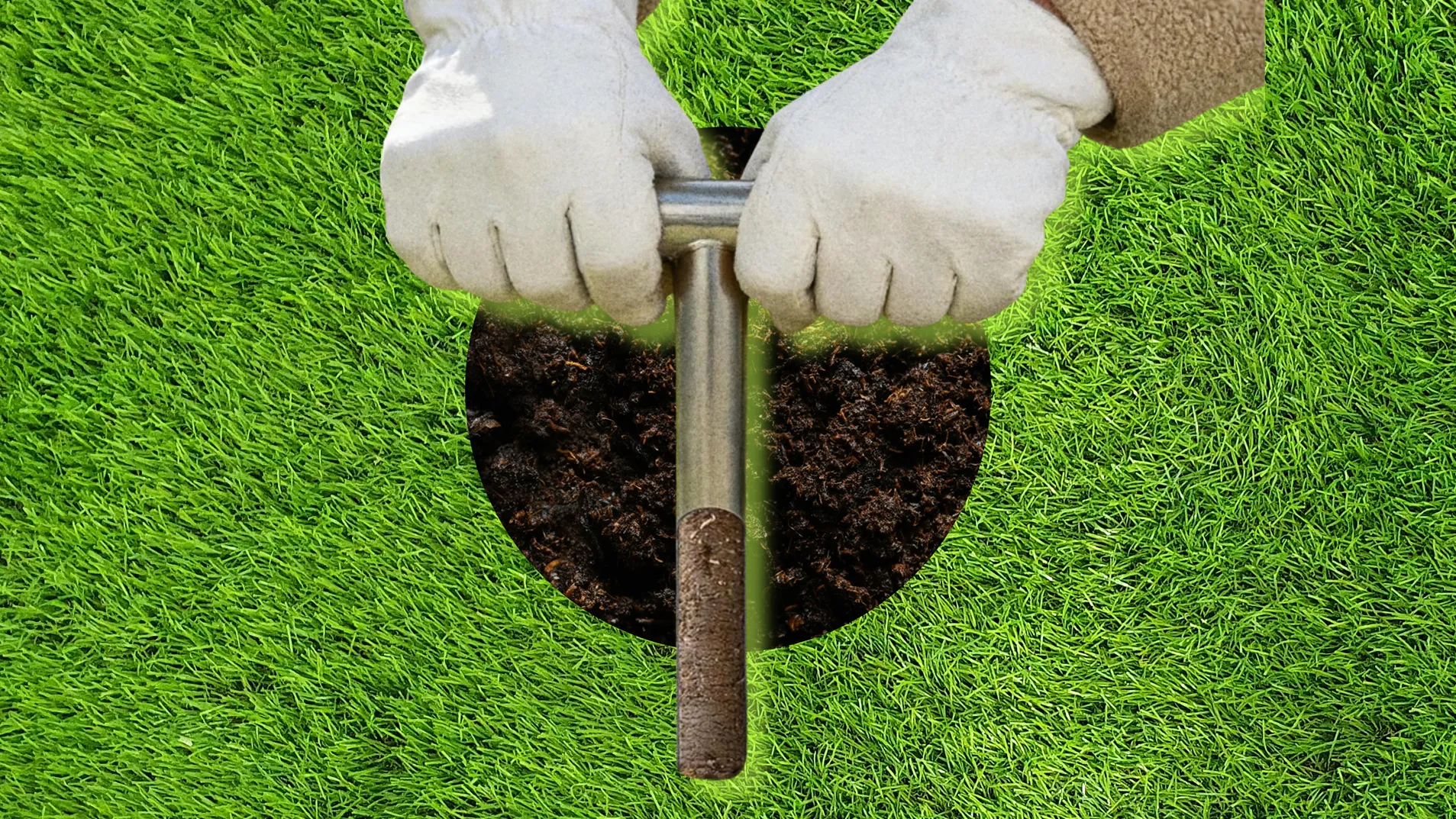
There’s a spring lawn-care step people skip that makes everything else less effective: you have to diagnose what’s missing before you add anything. Feeding a lawn without knowing its nutrient needs wastes time and money—and can even backfire. The same logic applies to home organization and decor.
If your home feels off, the answer isn’t automatically “buy new storage” or “get more baskets.” Start with a quick assessment to identify what your space actually lacks:
- Is the problem capacity? (You genuinely don’t have enough storage for essentials.)
- Is the problem zoning? (Items don’t live near where they’re used.)
- Is the problem volume? (You have too much for the space, so nothing can stay contained.)
- Is the problem maintenance? (You need a faster reset routine, not a bigger system.)
Just like a soil test tells you whether your lawn needs nitrogen or something else, your “home test” tells you whether you need a purge, a re-zone, or a small upgrade. When you’re honest about the missing piece, you stop throwing solutions at the wrong problem.
Immediate recommendation: Pick one pain point (kitchen counter, entryway, bedroom chair) and do a 10-minute “nutrient check.” Write down what accumulates there and why. Then fix the cause: add a hook, a tray, a charging station, or a laundry basket—only after you’ve confirmed the real need.
Finish Strong: Create “Small Luxuries” That Don’t Add Clutter
Luxury isn’t only visual. It’s also how your home supports daily life. A small pantry staple can make a basic breakfast feel special, the same way one elevated textile can make a room feel designed. The organizing lesson: aim for high impact with low footprint.
Instead of buying more gadgets or novelty decor, focus on upgrades that disappear into your existing systems:
- One signature textile (a quality pillow cover or throw) that ties your palette together.
- One multipurpose pantry upgrade that makes everyday routines feel better without adding countertop clutter.
- One repurposed-linen solution (rags, liners, dust covers) that reduces repeat purchases.
When you keep upgrades small and intentional, your home stays easy to maintain—and your design choices look more expensive because they’re not competing with excess.
Key takeaways: Shop with constraints so deals don’t become clutter, use a quick bed-styling reset to make your bedroom feel instantly polished, and repurpose bulky linens into useful tools with strict storage limits. Diagnose what your home actually needs before you add anything. Keep building small luxuries that improve daily life without increasing the stuff you have to manage.
As you move through spring, treat every purchase, donation, and repurpose as part of one system: a home that looks pulled together, functions smoothly, and stays that way.