A clean refrigerator isn’t just prettier; it can actually run more energy efficiently when it’s kept free of dust and grime. That’s the kind of “small habit, big payoff” detail that makes home organization worth doing right now, especially when spring routines kick in and you’re spending more time cooking, reading, and resetting your spaces. The goal isn’t perfection. It’s building a home that feels lighter to live in, easier to clean, and more comfortable day to day.
Start With the “Hidden Mess” That Steals Space and Time
Most clutter doesn’t look like stacks of stuff. It looks like friction: an overflowing fridge shelf that makes you buy duplicates, a sticky microwave that you avoid cleaning until it’s a project, a kitchen appliance that smells “off” so you keep the door shut and pretend it’s fine. Organization works best when you tackle the mess that quietly slows you down.
Begin in the kitchen because it’s where cleanliness, storage, and daily routines collide.
- Refrigerator reset: Pull expired food first (it’s the fastest win), then wash shelves and drawers with warm soapy water. Avoid washing a cold glass shelf with hot water; the temperature shock can cause it to shatter. Finish by wiping the exterior with a nonabrasive cloth and vacuuming the coils on the lower part or back of the unit to help it run more efficiently.
- Oven spill strategy: Burnt-on splatters feel permanent, but they usually just need the right approach. Spread a paste of baking soda and water over problem areas and scrub with a toothbrush or plastic scrubbing pad. Add a little vinegar when you need extra “oomph.” If the oven is extremely dirty, use a commercial oven cleaner and follow the product directions precisely.
- Microwave quick-clean: Loosen dried food first, then wipe. A simple steam-and-wipe method keeps the microwave from turning into the one appliance you dread opening.
Once your most-used appliances are back to baseline, you’ve created real breathing room. Now you can shift from cleaning to designing your routines so they stay easy.
Design Your “Drop Zones” Like a Stylist, Not a Storage Unit
Decluttering sticks when your home makes the right behavior the default. That’s where interior design and organization stop being separate categories. The right furniture choices can reduce surface clutter while making a room feel more intentional.
One of the most underrated examples is the compact side table that slides in tight spaces, especially next to a sofa. A well-chosen C-shaped table (or any slim slide-in surface) can turn “stuff on the couch” into “stuff has a home.” It gives you a dedicated landing spot for a mug, laptop, book, or notebook without adding a bulky end table that crowds a small living room.
Use this quick comparison to choose the best option for your space:
- C table: Best for small apartments and couch work. Tucks under furniture, keeps essentials within reach, and can move room to room.
- Traditional side table: Better when you need drawers or larger surface area, but it can eat up floor space and encourage pile-ups if it’s oversized.
- Ottoman as a table: Comfortable and flexible, but it often becomes a magnet for clutter because it feels “temporary.”
Pair that functional surface with a chair you actually want to sit in. A cozy reading chair isn’t just decor; it creates a purpose-driven zone that naturally corrals items: a throw, a reading light, one small basket for current books. When a space has a clear job, you’ll stop scattering objects around the room “for later.”
This is the design-led decluttering mindset: create fewer, better “homes” for your daily essentials, and you’ll need fewer bins, fewer piles, and fewer weekend cleanups.
Build Comfort Corners That Prevent Clutter Creep
Clutter often grows in the spaces where you decompress. The living room and bedroom collect stray cups, chargers, mail, and half-finished projects because they’re comfort-first areas. Instead of fighting that reality, design around it.
Start by anchoring one “comfort corner” that earns its footprint:
- One seat you love: A reading chair (or your favorite spot on the sofa) becomes the centerpiece. Comfort matters because it increases follow-through; you’ll use the space as intended instead of drifting to wherever the mess already lives.
- One surface: Add a slim side table or C table. Keep it intentionally small so it can’t host a tower of clutter.
- One container: A small basket or tray holds the usual suspects: remote, glasses, a pen, a charger. When the container is full, that’s your built-in boundary.
Then implement a 2-minute nightly reset: return items to the container, clear the surface, and take one “stray item” back to its actual home. This micro-routine is the difference between a cozy nook and a week-old mess you avoid.
From here, it’s easier to extend the same logic to other areas: a small table by the entry for keys and mail, a tray in the kitchen for oils and salt, a single bin in the bathroom for backup supplies. Purpose + boundaries = less clutter without constant effort.
Go Low-Maintenance Where It Counts: Plants and Seasonal Swaps
Organized homes feel calm partly because they’re predictable. High-maintenance choices, whether in decor or in your garden, create ongoing “to-do” pressure that spills into your living spaces. That’s why low-maintenance swaps matter: they reduce the hidden workload that competes with cleaning and decluttering time.
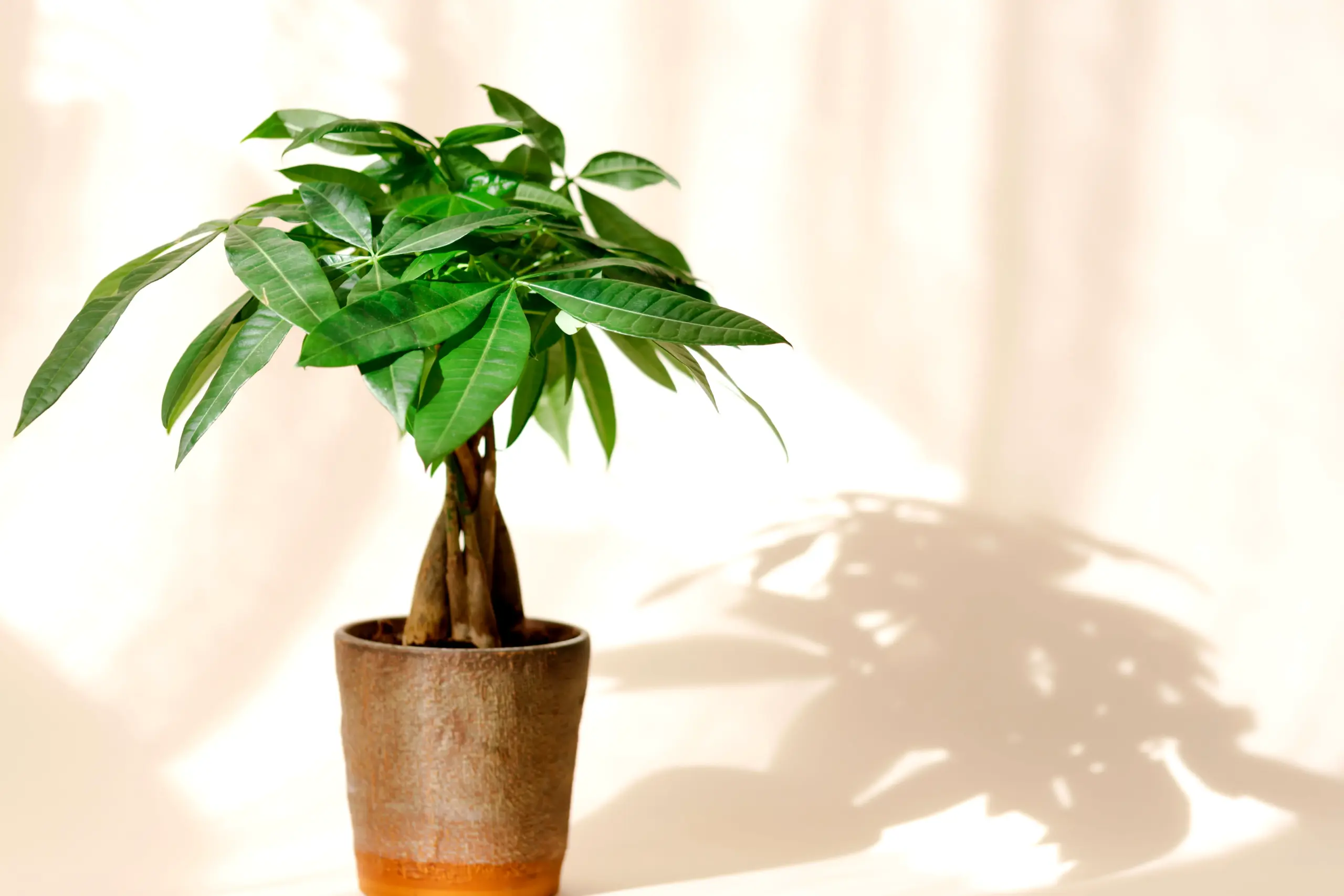
Indoors, a beginner-friendly houseplant with a reputation for adaptability can deliver that fresh, styled look without turning your schedule upside down. A tropical plant that tolerates typical home conditions can make a shelf, console, or reading corner feel finished. The key is to treat it like part of your system:
- Give it a defined home: Choose one spot with consistent light and leave it there. Constantly relocating plants is an underrated source of “visual clutter” because it turns surfaces into temporary holding zones.
- Contain the mess: Use a saucer or a simple planter setup that prevents water rings and soil spill, so your styling doesn’t become another cleaning chore.
Outdoors, early spring is the moment to rethink what you’re planting and why. Swapping high-maintenance favorites for native or easier-care options can cut down watering, fussing, and replacement planting. The payoff shows up indoors too: fewer muddy shoes, fewer frantic garden errands, fewer half-finished “I’ll deal with it later” projects that end up on the porch or by the back door.
Think of it as decluttering your calendar. When your plant choices are sustainable for your time and attention, your home routines get easier, not harder.
A 30-Minute “Reset Sprint” You Can Do This Week
If you want immediate traction, run this quick sprint. It combines cleaning, organizing, and design so the results last longer than a single tidy-up.
- 10 minutes: Refrigerator sweep. Toss expired items, wipe one shelf, and note what you’re overbuying. If you can, vacuum the coils as the final step for performance and efficiency.
- 10 minutes: Comfort corner upgrade. Clear your main sitting area, place a slim side surface next to it (or reposition one you already own), and add a small tray or basket to contain the daily essentials.
- 10 minutes: One low-maintenance “calm cue.” Add a simple plant or refresh the one you have by giving it a stable home and a clean, contained base.
This sprint works because it attacks the three drivers of clutter at once: dirty friction points, missing landing zones, and maintenance-heavy choices that drain your energy.
When your appliances are clean, your surfaces have boundaries, and your comfort zones are designed with intention, organization stops feeling like a recurring crisis. You’ll spend less time hunting for space and more time actually enjoying it. Keep building on small resets, and your home will start to maintain itself through smarter choices, not bigger cleaning days.