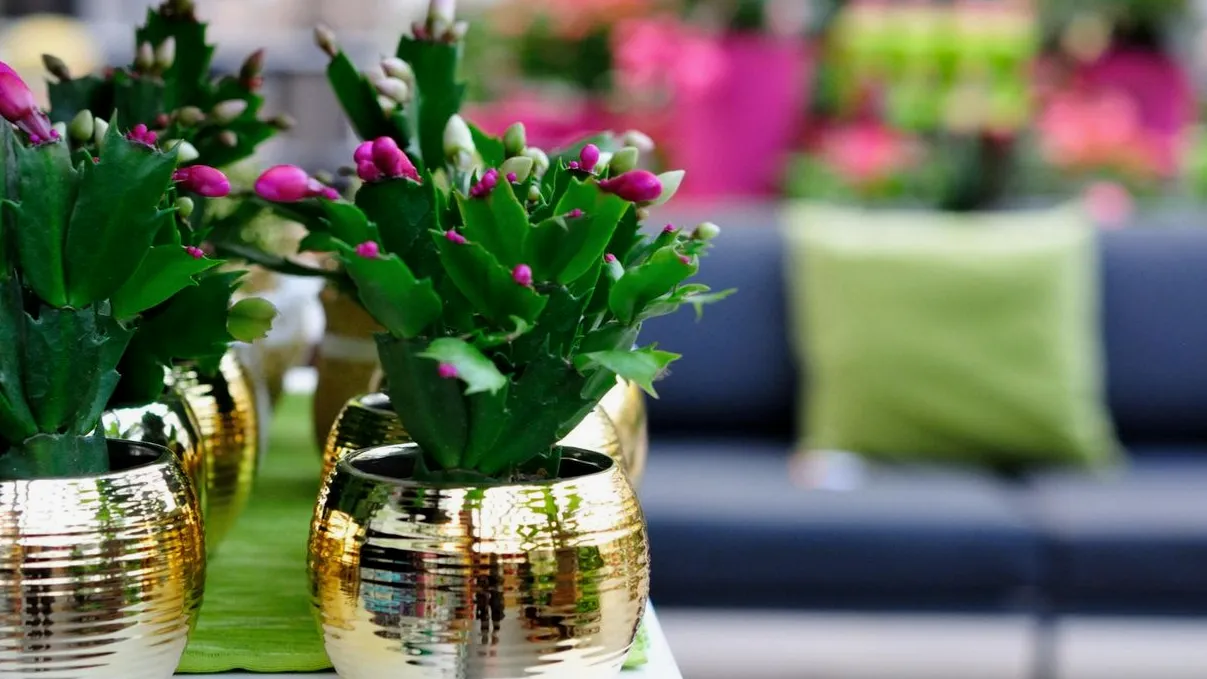
Most living rooms don’t feel “off” because you picked the wrong sofa. They feel unfinished because the details and the systems behind them are missing. Spring is the perfect time to fix that, because it’s the season when small resets pay off fast: a five-minute plant check, a shelf edit, a lighting tweak, a single color decision. These aren’t cosmetic changes. They’re the difference between a home that constantly needs tidying and a home that stays calm.
Start With a 5-Minute Reset: Declutter What’s Quietly Draining the Room
If you want visible results without an all-day purge, start with what silently creates mess: neglected “almost organized” zones and forgotten living things. Spring care routines for houseplants and perennials have a surprising lesson for home organization: small maintenance, done on time, prevents big problems later.
Use this quick reset to create momentum before you touch a closet or a cabinet:
- Clear one surface completely (coffee table, console, or a shelf). Put everything into a temporary bin so you can see the space as a blank canvas.
- Do a plant micro-check: remove dead growth, wipe dusty leaves, and confirm each plant’s placement still matches spring light. A plant that struggles becomes visual clutter fast.
- Reset one “seasonal touchpoint”: swap heavy throws for lighter textiles, or replace winter candles with a fresh spring scent. This keeps the room feeling intentional without adding more objects.
That five-minute approach mirrors smart seasonal plant routines: a quick spring check keeps a holiday bloomer on track for later in the year, and a timely April tune-up sets flowering plants up for bigger performance. In home terms, it means you’re not waiting until the room feels unmanageable to act.
Now that you’ve created a clean visual baseline, you can decide what the space actually needs next: structure.
Make Storage Part of the Design (So You Stop “Cleaning” the Living Room)
The living room trends moving forward aren’t about stuffing in more furniture. They’re about making each element do more work. When storage becomes part of the visual structure, you stop relying on emergency baskets and last-minute shoves before guests arrive.
Think of storage as architecture. A well-planned wall of open shelving can function like a feature, not a compromise. It frames the room, anchors the seating area, and gives everyday items a defined home.
Try the “display-to-store” ratio
Open shelves look best when they don’t try to hold everything. Use a simple rule you can apply immediately:
- For every 3 visible items, hide 7. Keep most small essentials (remotes, cords, chargers, games, paperwork) behind doors, in drawers, or in matching boxes.
- Group by function, not by vibe. One box for media, one for candles and matches, one for kids’ small toys, one for pet gear. “Pretty clutter” is still clutter.
- Leave intentional negative space. Empty space is not wasted. It’s what makes the room feel finished.
This is the same logic gardeners use for better blooms: you don’t let everything grow everywhere. You guide growth early, remove what competes, and create space for what you actually want to thrive. Your living room should be curated the same way.
Once storage is doing its job, you can focus on the details that make the room feel designed, not merely contained.
Use “Finishing Details” to Replace Extra Decor (Lighting, Mirrors, and Art)
When a room feels incomplete, most people add more stuff. That’s how you end up with clutter that looks expensive but reads as noise. Instead, upgrade the details that change how the room works. Three moves consistently make a living room feel stronger without adding piles of decor: layered lighting, tall mirrors, and art that grounds the seating zone.
Layered lighting that creates movement
One overhead light flattens a room. Layered lighting gives you control and makes the walls feel alive. Keep it simple:
- One ambient source (ceiling fixture or soft floor lamp)
- One task source (reading lamp near seating)
- One accent source (a small lamp on a shelf or console)
This reduces the urge to over-style surfaces because the room already feels dimensional.
Tall mirrors that expand without adding bulk
A tall mirror is a decluttering tool disguised as decor. It visually doubles space, brightens dark corners, and lets you remove extra “filler” items you were using to compensate for a room that felt tight. Place it where it catches light and extends a sightline, not where it reflects a mess.
Artwork that anchors the seating area
Art should do structural work: it should tell you where the room begins and ends. Choose one strong piece or a tightly planned grouping that aligns with the seating zone. When art provides a clear focal point, you need fewer objects competing for attention on tables and shelves.
These are “high-leverage” upgrades: they influence the entire room, the same way one well-timed spring reset influences a plant’s whole season.
Choose One Spring 2026 Color Direction (And Let It Do the Styling)
Color trends come and go, but the organizing advantage of a clear palette is timeless: it reduces visual clutter. When the room has a color direction, you can stop buying random “cute” items that don’t belong anywhere.
This spring’s standout color story leans green, and for good reason. Green behaves like a neutral in many interiors while still adding life. It pairs naturally with warm woods, soft upholstery, and mixed materials, and it supports the “calm but intentional” look many homeowners want.
Use green strategically so it doesn’t become more clutter:
- Pick one green role: either as a wall-adjacent accent (pillows/throw/art) or as a living accent (plants). Don’t overdo both at once.
- Repeat it exactly three times around the room: for example, a pillow, a ceramic vase, and a plant pot. Repetition creates cohesion and makes the room feel styled with fewer objects.
- Let texture carry the contrast instead of adding more colors: soft upholstery against wood, matte ceramics against glass, woven baskets against smooth shelving.
Color works like a label system for the eye. It tells you what belongs. That’s an organizing win, not just a design preference.
Now that the room has a structure and a palette, it’s time for a seasonal ritual that keeps clutter from creeping back in.
Create a Seasonal “Swap Box” Using Spring Craft Energy (Without Adding More Stuff)
Spring brings an urge to refresh, decorate, and get crafty. The risk is bringing in more temporary items that become permanent clutter by summer. The solution is not to stop decorating. It’s to contain seasonal decor in a system that makes cleanup automatic.
Set up one dedicated Seasonal Swap Box (or bin) and keep it where you can reach it easily. This is your container rule in action: when it’s full, you stop.
What goes in the Swap Box?
- Lightweight decor that replaces, not adds: a spring table runner, a fresh set of pillow covers, a small centerpiece tray.
- Craft-forward pieces that deliver the “holiday look” without the mess: realistic spring/Easter-inspired decor alternatives that don’t require fragile, perishable items.
- One small repair kit: tape dots, command strips, a paint pen for scuffs, and spare bulbs. Tiny fixes prevent the “this room is falling apart” feeling.
The key is rotation, not accumulation. When you bring out spring pieces, pack away winter pieces immediately. This keeps storage stable and prevents the closet from turning into a decorative junk drawer.
Think of it like seasonal plant care again: you adjust for the season, you don’t let old growth crowd out new growth. Your home deserves that same discipline.
Spring decluttering works best when it’s not just about removing items, but about building a room that stays finished: storage that supports daily life, lighting and layout details that reduce visual noise, and one color direction that keeps future purchases cohesive. Do the five-minute reset first, then upgrade the structure, then style with restraint.
Keep that rhythm through the year and you’ll notice a shift: less time “cleaning,” more time living in a space that feels intentional now, and even better by the time the next season arrives.