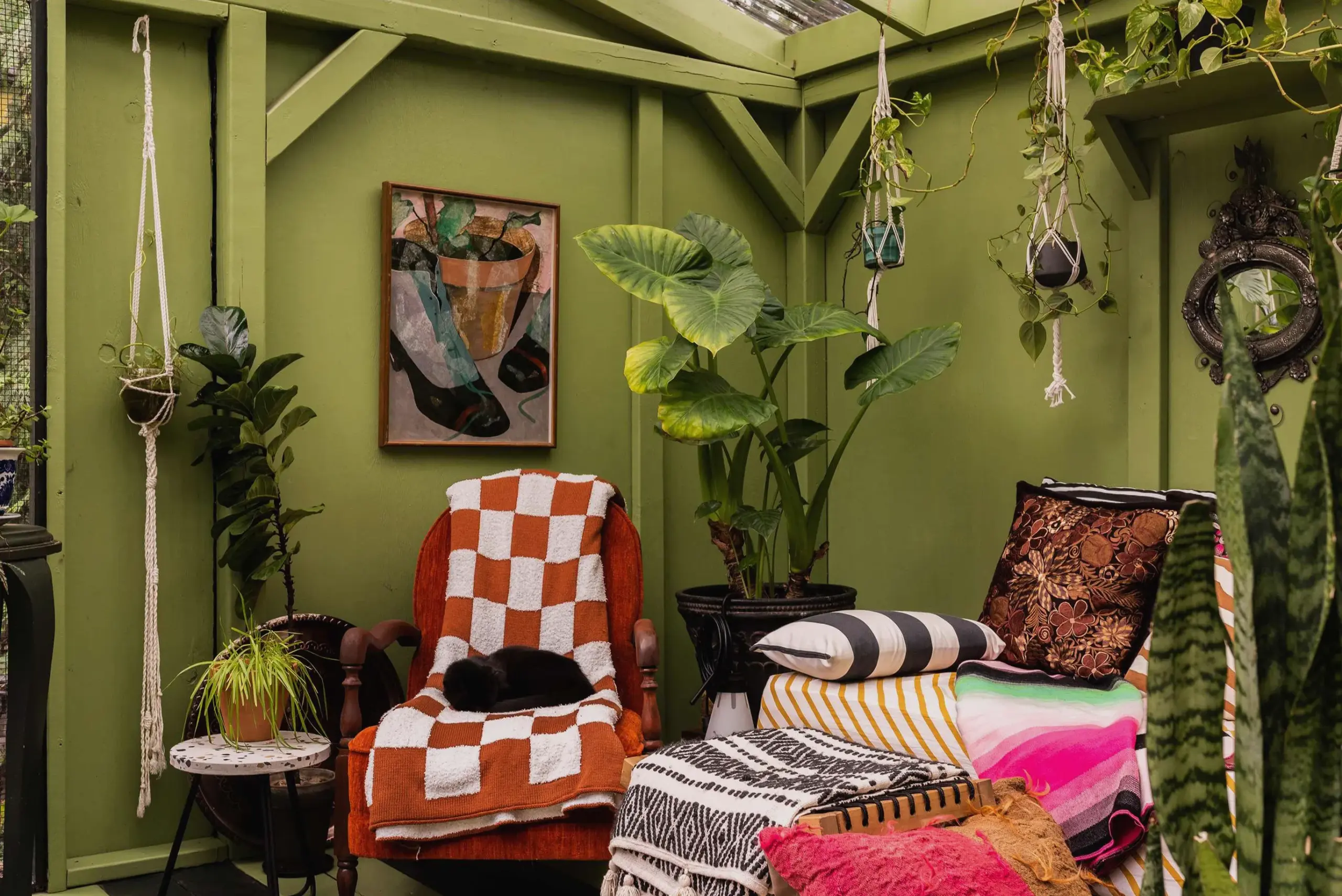
Most people treat their bookshelves like storage units—stacked haphazardly, with spines facing inward, and maybe some dust bunnies underneath. But what if your books could be the secret weapon that makes your entire home look intentional and expensive? It’s not just about aesthetics—it’s about design psychology, visual balance, and the power of curated elements to transform even the smallest spaces into stylish sanctuaries.
Why Book Stacking Matters More Than You Think
You’ve probably seen those Instagram-worthy living rooms where every shelf looks like a museum exhibit. What makes the difference? It’s not necessarily the price tag on the furniture—it’s how the books are arranged. According to interior designers, the way you organize your books can either elevate or undermine the entire room’s vibe. And here’s the kicker: it’s something you can fix today without spending a dime.
“Never turn the spines of your books inward.” — Apartment Therapy
This simple rule alone can make or break the visual flow of a room. When book spines face outward, they create a dynamic, organized pattern that draws the eye across the shelf. But when spines are inward, it gives a cluttered, uncurated appearance that makes even the most expensive shelves look amateurish.
The Magic of Visual Weight: How Books Create Balance
Books aren’t just literary tools—they’re visual weight. They add dimension, texture, and rhythm to any space. The trick isn’t just stacking them; it’s stacking them strategically. A few large, thick volumes placed in the center of a shelf can anchor a grouping, while smaller books on either side create a balanced composition. This isn’t just about looking good—it’s about making your space feel intentional.
Here’s a quick comparison:
| Book Arrangement | Visual Impact | Room Feel |
|---|---|---|
| Spines Inward, Random Stack | Chaotic | Unorganized, cluttered |
| Spines Outward, Balanced Grouping | Structured | Curated, elegant |
How to Build a Bookshelf That Looks Like a Gallery
Designers often recommend a mix of heights, textures, and formats to mimic a gallery wall. You don’t have to own rare editions to achieve this effect. Try mixing hardcovers, paperbacks, and even journals. Place a few books vertically to break up horizontal rows. Add some greenery, decorative objects, or even a statement vase to give the shelf depth and personality.
But here’s a designer secret: never use the same size or thickness of book in a single row. This creates a monotony that pulls the eye away from the shelf’s purpose. Instead, alternate between tall and short, wide and narrow. This technique works whether you’re organizing a 5-foot bookcase or a compact corner shelf.
Transforming Small Spaces With Multi-Purpose Furniture
What if your guest room is literally a converted hallway? Or your dining area doubles as a workspace? Enter sleeper chairs—those surprisingly comfortable seating options that can transform even the smallest spaces into functional guest zones. But here’s the twist: you can also use these pieces to anchor a bookshelf or display area.
Sleeper chairs offer more than comfort—they’re also excellent for creating a focal point in a room. Imagine a sleek, modern sleeper chair tucked into a corner beside a curated bookshelf. Not only does it serve its purpose as a guest bed, but it also becomes part of the room’s aesthetic narrative. And since these chairs are often designed with clean lines, they won’t clash with your bookshelf’s visual language.
Compare this approach to a traditional bench or ottoman:
| Furniture Type | Space Efficiency | Aesthetic Flexibility |
|---|---|---|
| Sleeper Chair | High (sleeps guests + sits) | Modern, versatile |
| Traditional Bench | Moderate | Limited styling options |
Outdoor Spaces: The One Trick to Instant Styling
When it comes to outdoor spaces, the key to instant styling isn’t buying a new sofa or patio set. It’s about using statement planters. This is where the magic happens. Whether you’re working with a small balcony or a sprawling backyard, a single oversized planter can act as a centerpiece that ties everything together. And yes, that includes your indoor bookshelf—think of it as an extension of your interior design.
Apartment Therapy’s top tip? Choose a planter that complements your existing décor. For instance, if you have a minimalist living room with a neutral palette, a matte black or terracotta planter can add warmth and contrast. If you have bold, vibrant books on your shelves, opt for a white or light-colored pot to keep the focus on the books themselves.
Here’s a common mistake: using too many plants or colors. Too much visual noise can overwhelm the space. Instead, let one statement piece shine—whether it’s a bookshelf or a planter—and build around it.
How to Use Books to Make Your Space Look Expensive Without Spending a Fortune
There’s a reason why some homes look effortlessly expensive even though they’re not filled with designer furniture. It’s often because of the subtle details—like how books are displayed. A few carefully chosen books, arranged with intention, can instantly elevate a room’s perceived value.
Here’s a breakdown of what you can do:
- Use color coordination: Match the cover colors of your books to the room’s accent colors.
- Layer textures: Combine leather-bound books with soft paperbacks to add tactile interest.
- Balance with decor: Add a small vase or candle to break up the visual weight of books.
FAQ
How do I arrange books to make my shelf look more organized?
Start by arranging books by height, color, or subject matter. Avoid placing books of the same size in a row. Instead, mix sizes and orientations to create visual rhythm. Always keep spines facing outward for a polished look.
Can I use books to hide clutter in my home?
Yes, but only if you’re strategic. Books can be used to conceal items like cables or old magazines—but only if you maintain a cohesive arrangement. Otherwise, it becomes a visual trap that makes everything look messy.
What’s the best way to style a small bookshelf?
Use the ‘rule of three’—group books in sets of three or five, alternating heights. Add a small decorative item like a candle or a small sculpture to create a focal point. This keeps the shelf from feeling empty or overcrowded.
What You Should Do Next
If you’re ready to take control of your space, start with one simple change: flip all your book spines outward. Then, spend 10 minutes reorganizing your shelves with the rule of visual balance. Once you see the transformation, you’ll realize how powerful small changes can be.
And if you’re still struggling with small spaces, consider investing in a sleeper chair. It’s not just about comfort—it’s about maximizing function and design in one go. Pair it with a well-curated bookshelf, and you’ve got yourself a stylish, multi-functional zone that guests will love to visit.
Final Thought: The Design Is in the Details
What if we told you that the secret to looking like a design genius doesn’t lie in expensive décor or a massive budget? It lies in the details you choose to emphasize. Whether it’s a single book spine facing outward or a well-placed planter, these choices shape how people perceive your space. So, the next time you walk into a room, ask yourself: what’s the story my books are telling? And more importantly, what story do you want them to tell?