Outdoor living is entering a new phase, shaped by practical constraints and higher expectations at the same time. Homeowners want patios and yards that look deliberate and feel comfortable, but they also want setups that are easy to maintain, flexible enough for different kinds of gatherings, and efficient to operate. Across retail, product design, and trend forecasting, the same message is emerging: the next generation of outdoor spaces will be defined less by one big statement piece and more by systems that work together, from battery-powered yard tools to modular furniture and portable lighting.
This shift is especially visible at the start of the warm-weather buying season, when major retailers emphasize seasonal gear and outdoor categories. Discounts on outdoor power tools are drawing attention not only because of price, but because the tools themselves have become more homeowner-friendly: lighter, quieter, and designed around shared battery platforms that reduce clutter and simplify storage. At the same time, new outdoor furnishings and accessories are being positioned for multi-use living, as consumers look for pieces that can move easily between dining, lounging, and entertaining.
Outdoor Maintenance Gets More Accessible
For many households, the appeal of outdoor living depends on how manageable the upkeep feels. Yard work that once required multiple gas-powered machines and maintenance routines is increasingly handled through electric and battery-powered tools. These products have become central to the seasonal shopping cycle, with retailers offering spring promotions on categories such as string trimmers, leaf blowers, hedge trimmers, and lawn mowers.
The rise of unified battery ecosystems is an important part of that story. Instead of buying standalone tools with incompatible power sources, consumers are increasingly drawn to brands that build product families around the same batteries and chargers. The advantage is straightforward: fewer accessories to store, easier replacement planning, and a lower effective cost over time when expanding a tool lineup. For homeowners with modest yards or those who prioritize convenience over maximum industrial power, this approach has helped bring outdoor tool ownership closer to “plug-and-play.”
Another factor is space. As more people live in homes with smaller yards, shared outdoor areas, or limited storage, lightweight cordless equipment becomes not just a preference but a necessity. Quieter operation also matters, particularly in denser neighborhoods where early morning or weekend yard work can be disruptive. The practical outcome is that maintenance is less intimidating, which in turn supports more ambitious plans for outdoor dining and gathering spaces.
Design Is Moving Toward Flexible, Multi-Use Setups
While outdoor tools handle the groundwork, the layout of the patio or balcony is being rethought to support more than one purpose. Shoppers are increasingly looking for furniture that can adapt, rather than single-use pieces that only work in one configuration. New product lines in the outdoor category are leaning into this reality, emphasizing lightweight designs, stacking or nesting functions, and components that can be rearranged as needed.
A multi-use outdoor setup typically starts with the basics: a table that can handle everyday meals and occasional entertaining, seating that can expand or contract depending on the number of guests, and storage solutions that keep cushions and accessories ready without turning the space into a permanent staging area. The current wave of new outdoor essentials is designed to support that mix, with pieces that aim to do double duty and move easily between zones.
What “Multi-Use” Looks Like in Practice
- Reconfigurable seating: Chairs and benches that can shift from dining alignment to conversation clusters without feeling mismatched.
- Compact surfaces: Side tables and small-format coffee tables that can be combined when hosting, then separated for everyday use.
- Smart storage: Containers and benches that hide supplies and help outdoor areas stay visually calm.
- Layerable textiles: Cushions and throws that add comfort, but can be stored quickly when weather changes.
- Portable lighting: Lamps and lanterns that create ambiance without requiring wiring or permanent installation.
The theme behind these choices is control. Instead of building an outdoor space that is “perfect” for one scenario, consumers are assembling setups that can respond to different routines: quiet mornings, family dinners, weekend gatherings, or late-night conversation. Retailers are meeting that demand with products intended to mix, match, and adapt.
Portable Lighting Becomes the Patio’s Style Shortcut
Lighting has become one of the most decisive factors in whether an outdoor area feels finished. Overhead fixtures and permanent wiring are not always feasible, especially for renters or for homeowners who do not want a construction project. As a result, portable lamps have moved from being a niche accessory to a mainstream staple.
One popular approach is a small, table-ready lamp designed specifically for outdoor use. The logic is simple: outdoor spaces often need light at the point where people actually sit and eat, not just around the perimeter. A compact lamp on an outdoor table creates a focal point, supports conversation, and makes the space usable later into the evening. It can also make a modest patio feel more intentional, even if the rest of the setup is minimal.
These lamps tend to deliver three things consumers value: an easy way to add atmosphere, an object that looks decorative even when turned off, and the flexibility to move the light wherever it is needed. As summer approaches, portable lighting is increasingly positioned not just as a functional purchase, but as a design tool that upgrades the mood of an outdoor area quickly and affordably.
Retro Influences Are Returning, with a 2026 Twist
Outdoor furniture trends rarely move in straight lines. Instead, they loop back, pulling familiar silhouettes into new contexts. A notable example gaining attention is the return of mid-century and late-1960s poolside aesthetics: sculptural frames, warm-toned materials, and a relaxed “resort” sensibility that feels both nostalgic and current.
Designers forecasting the direction of patios in summer 2026 are pointing toward retro-inspired poolside furniture as a key ingredient. The appeal is not costume-like recreation but selective borrowing: furniture that looks casually glamorous, with shapes and finishes that photograph well and feel comfortable in real life. The influence is tied to an enduring image of American leisure culture, where poolside seating and outdoor entertaining were treated as a lifestyle statement.
What makes this resurgence different from past retro revivals is the way it is being integrated. Rather than building an entire space around vintage references, many outdoor setups are blending one or two retro notes with more modern basics. A classic lounge-chair profile might be paired with contemporary side tables; a warm wood tone might be balanced with cleaner-lined seating. The result is an outdoor environment that feels curated without being precious.
Fresh Eyes on Interiors Are Shaping Outdoor Choices Too
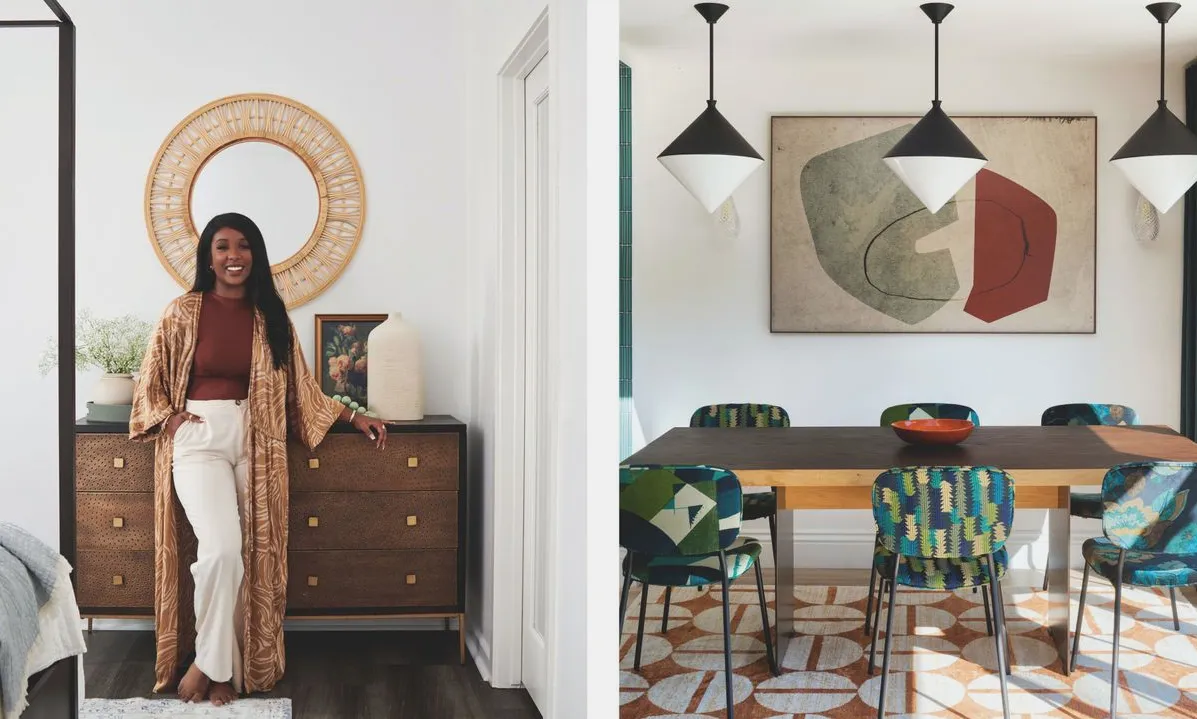
Outdoor spaces are increasingly being treated as extensions of interior design rather than separate zones. That means the same principles guiding living rooms and dining rooms, such as texture, color confidence, and balanced lighting, are now being applied outside. Emerging design voices are helping push this shift, elevating the idea that a patio can carry a coherent visual identity, not just a collection of durable items.
Current design discourse emphasizes warmth and personality: mixing materials, using pattern strategically, and choosing lighting that adds dimension. Even when the focus is indoors, the lessons translate to outdoor areas that need to feel welcoming and complete. A textured wood element, a bold fabric choice, or a considered palette can make an exterior space feel less like a placeholder and more like a destination.
This is also why flexible outdoor furniture is gaining momentum. When a patio is treated like a room, it must support multiple “moments” the way an interior does, from casual solo use to social hosting. The most successful outdoor setups are being planned with that in mind, using adaptable pieces and layered lighting to handle changing needs across the day.
How Consumers Are Building the “System” Approach
The common thread across tools, furniture, and lighting is a move away from one-off purchases and toward coordinated systems. In yard care, battery platforms allow tool collections to scale. In furniture, modular and stackable items help spaces change function. In lighting, portable lamps create ambiance without hardwiring. Together, these shifts enable households to keep outdoor areas usable with less effort and fewer compromises.
A Practical Checklist for an Outdoor Upgrade
- Start with upkeep: Reliable trimmers, blowers, and mowers make it easier to keep outdoor spaces guest-ready and enjoyable.
- Choose flexible furniture first: A table and seating that can rearrange or expand will outperform trend-driven single-purpose pieces.
- Make lighting a priority: Add at least one portable table lamp to anchor the space at night and create a hospitable atmosphere.
- Add one retro note: Introduce a mid-century or late-1960s-inspired silhouette to give the setup a distinctive character.
- Build in storage: Keep textiles and accessories protected so the space can transition quickly between everyday use and entertaining.
In the coming seasons, outdoor spaces will continue to reflect broader consumer priorities: fewer hassles, better value, and designs that feel personal rather than generic. The most successful patios and backyards will not necessarily be the largest or the most expensive. They will be the ones that function smoothly, look cohesive after sunset, and adapt easily when a quiet evening turns into a last-minute gathering.
As 2026 trends begin to take shape, the direction is clear: outdoor living is becoming more intentional, more modular, and more lighting-driven. For households planning upgrades now, the opportunity is to invest in a foundation that performs day-to-day, while leaving room for style elements, including retro touches, that can evolve over time.