You know the items. The backup wine glasses you never reach for. The outdoor cushions you bought because the patio might become your dream lounge. The serving pieces saved for a future dinner party that somehow never gets scheduled. They don’t look like clutter at first. They look responsible, aspirational, even stylish. But taken together, they quietly eat up cabinets, closets, and visual breathing room.
That tension, more than any single trend, is shaping how smarter homes are being edited right now: keep less “just in case,” choose better pieces when you do buy, and make every zone work harder — indoors and out. If you’re trying to decide what deserves space in your home, the real question isn’t just Do I like this? It’s Does this item earn its footprint?
This guide compares three common problem categories where style and storage collide: backup household items you’re over-saving, soft-furnished garden pieces that blur the line between decor and function, and wine glasses that often become an accidental collection. Different products, same decision filter: use, maintain, store, repeat.
The quick comparison: what actually deserves room in your home?
| Category | What people often keep or buy too much of | What experts favor instead | Main storage risk | Best decision for most homes |
|---|---|---|---|---|
| “Just in case” household items | Duplicates, old cords, extra containers, backup kitchenware, aspirational project supplies | Keep only what supports your current routine and realistic frequency of use | Cabinets and closets fill with low-rotation items that block daily essentials | Edit aggressively; keep one practical backup only when replacement would be costly or urgent |
| Outdoor “upholstered” garden decor | Rugs, cushions, upholstered-look seating, layered textiles, decorative soft goods | Choose weather-ready pieces with clear seasonal storage plans | Bulky, moisture-prone items create off-season storage pressure | Buy selectively; prioritize stackable furniture and limited textile quantities |
| Wine glasses | Multiple niche shapes, novelty goblets, mismatched sets, fragile extras | Versatile, well-balanced glasses with enough refinement for everyday and entertaining | Breakage, overcrowded shelves, difficult stacking, low-use specialty inventory | Own one everyday set plus one optional entertaining style if you host often |
If you’ve been organizing room by room and still feel stuck, this is usually why: you’re not dealing with your home by category behavior. Some items are daily tools. Some are high-maintenance decor. Some are fantasy-self purchases. They should not be judged by the same standard.
Category 1: The “just in case” items that drain storage fastest
Professional organizers have been especially blunt about one habit: holding onto things for hypothetical future scenarios. This is where storage systems fail. Not because you don’t have enough bins, but because your shelves are full of low-probability objects.
Think about the usual suspects: spare mugs, duplicate vases, extra chargers for devices you no longer own, takeaway containers without matching lids, unopened entertaining supplies, and kitchen gadgets bought for one recipe phase. None of these feels dramatic enough to declutter — which is exactly why they accumulate.
Keep vs. ditch: the decision test that works
- Keep it if replacing it would be expensive, time-sensitive, or genuinely disruptive.
- Store it if you use it seasonally or a few times a year and you have a designated, labeled home.
- Ditch it if the item exists mainly to calm anxiety about a situation that almost never happens.
A single backup extension cord? Reasonable. Six mystery cables in a drawer? That’s deferred decision-making dressed up as preparedness.
The same goes for entertaining gear. If you host four large dinners a year, yes, some extra serving pieces make sense. If your cabinet is packed with chipped appetizer plates because they could be useful one day, they’ve crossed from support item to storage tax.
Cause and effect matters here: when prime shelves are occupied by “maybe” items, your daily-use objects migrate to countertops, dining tables, and visible corners. That’s why a home can feel cluttered even when it technically has enough storage.
💡 Pro Tip: If your wardrobe is also carrying too many “someday” purchases, good closet organizers help only after you reduce duplicate and low-use items. Systems amplify good editing; they don’t replace it.
Category 2: Outdoor decor is getting softer — but it needs a storage plan
One of the most interesting design shifts right now is the way gardens and patios are being styled more like living rooms. Softer seating, patterned rugs, cushioned chairs, layered fabrics, and lounge-ready layouts make outdoor spaces feel far more inviting. And honestly, it makes sense. After years of making interiors feel warmer and more tactile, exterior spaces were bound to follow.
But here’s the part many shoppers underestimate: a “soft” garden look is beautiful only if you can maintain and store it properly.
What the upholstered-garden trend gets right
- It increases usability. People spend more time in spaces that feel comfortable.
- It visually connects indoors and outdoors. That creates a more intentional whole-home aesthetic.
- It makes small patios feel finished. A rug and cushions can define a zone faster than hardscaping ever will.
Where buyers go wrong
- They buy too many textiles without a rain plan.
- They choose bulky pieces that need major off-season storage.
- They treat decorative outdoor items like permanent fixtures in climates that punish fabric.
If you’re comparing garden upgrades, ask a boring but essential question first: Where will this live in bad weather, deep winter, or pollen season? Not glamorous, but critical.
For most homes, the smartest version of this trend is not a fully upholstered fantasy setup. It’s a controlled mix: one outdoor rug, a limited cushion palette, and furniture that still looks good when stripped back. That way the space remains usable even when textiles are being cleaned or stored.
| Outdoor element | Looks great | Maintenance level | Storage burden | Best for |
|---|---|---|---|---|
| Outdoor rug | High visual payoff | Medium | Medium to high | Covered patios, defined seating areas |
| Loose seat cushions | Comfort boost | Medium to high | Medium | Homes with a bench box or indoor storage nearby |
| Deep cushioned lounge seating | Luxury look | High | High | Frequent entertainers with dedicated storage space |
| Powder-coated metal or wood chairs with minimal pads | Clean, tailored | Low to medium | Low | Small patios and easier upkeep |
The lesson for interior-minded shoppers is simple: buy outdoor softness the same way you buy bedding or seasonal decor — with a rotation and storage plan, not just an inspiration board.
Category 3: Wine glasses are a buyer decision, not a collecting hobby
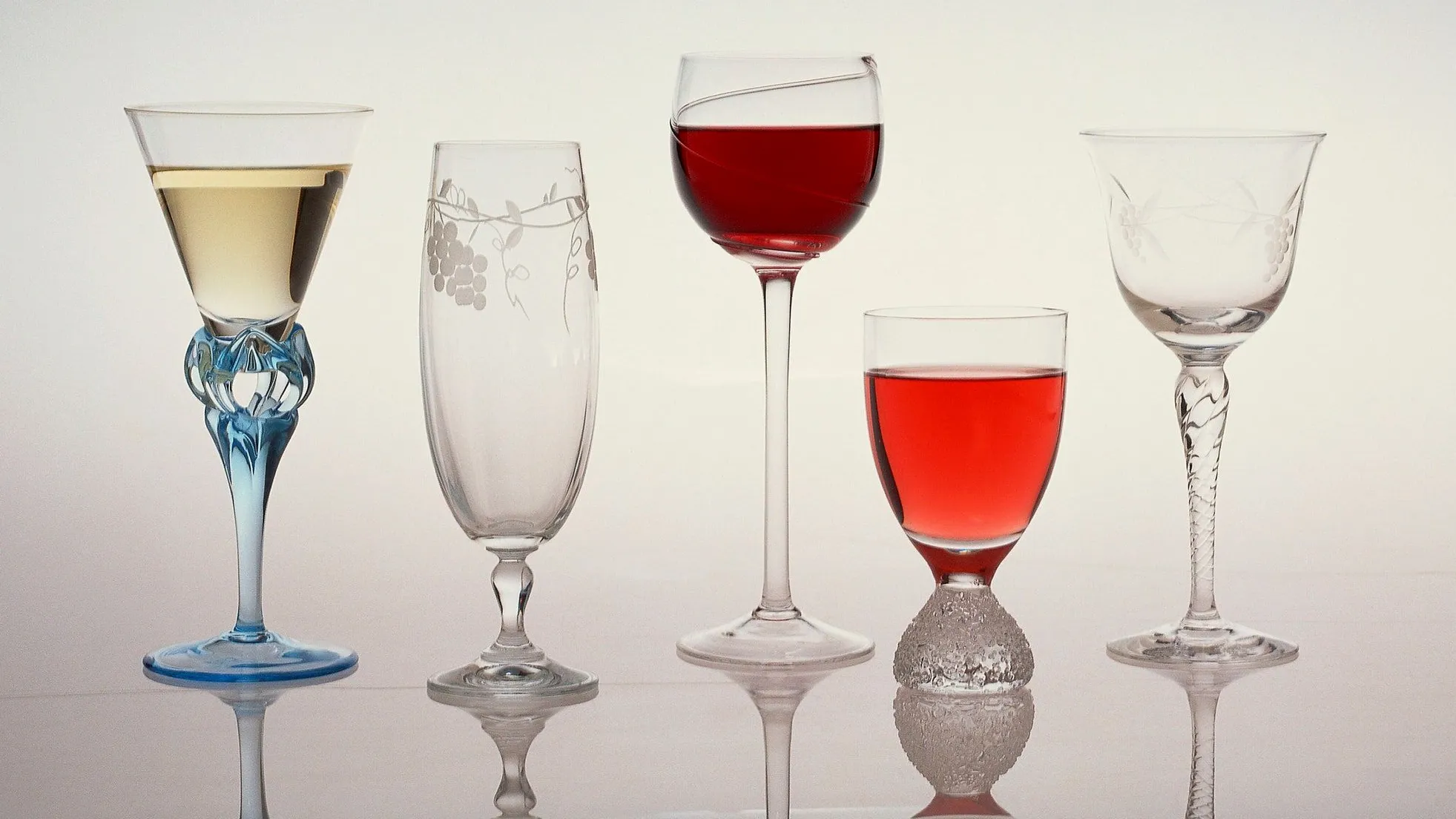
Wine glasses are one of the easiest home items to over-own because they sit at the intersection of utility, aesthetics, and entertaining anxiety. People often end up with heavy all-purpose glasses from years ago, a few delicate stems saved for guests, novelty shapes from gifts, and random mismatched pieces that survive every purge. Suddenly one shelf is doing too much.
The better approach? Treat wine glasses like a comparison purchase, not a sentimental stash.
The key features that matter most
- Bowl shape: A slightly generous bowl tends to be more versatile than ultra-specialized shapes.
- Stem feel: Thin stems look elegant but need more careful handling; stemless options store more easily but feel less refined for some drinkers.
- Weight: Lighter glasses usually feel better in hand and elevate everyday use.
- Durability: If you entertain often or have limited storage, resilience matters as much as beauty.
- Stackability and shelf fit: A glass can be gorgeous and still be wrong for your cabinet.
Do you really need separate glasses for every grape and occasion? For most households, no. A well-designed universal glass will serve you better than a crowded assortment of specialty pieces you rarely use.
| Glass type | Pros | Cons | Storage impact | Best choice for |
|---|---|---|---|---|
| Universal wine glass | Versatile, streamlined, easier to build a matching set | Less specialized performance | Low to medium | Most households |
| Large-bowl red wine glass | Elegant, expressive, dinner-party appeal | Takes more shelf space, more fragile | High | Frequent hosts |
| Slim white wine glass | Refined, lighter profile | Less flexible as an all-rounder | Medium | People who mostly drink whites |
| Stemless glass | Easy to store, harder to tip, casual feel | Less formal, fingerprints more visible | Low | Small kitchens, everyday use |
| Decorative or novelty goblet | Strong visual personality | Often impractical in quantity | Medium to high | Accent piece, not full collection |
The smartest collection for a typical home is surprisingly modest: six to eight matching universal glasses for regular use, plus an optional small set for larger gatherings if you truly host. That’s it. If your cabinet is overflowing, the problem is probably not a lack of storage — it’s a lack of standardization.
How to store them without creating a fragile mess
Keep your best everyday set on the most accessible shelf. Move occasional pieces higher or to a dining room cabinet. Avoid cramming stems so tightly that removing one risks knocking out three. If your kitchen drawers are carrying bar tools, stoppers, coasters, and gadget clutter all in one jumble, adding structured drawer organizers can free up cabinet space by relocating the small accessories that don’t need premium shelving.
The smarter buying rule: every beautiful item needs a home before checkout
This is the thread connecting all three categories. Organizers are urging people to ditch low-probability clutter. Designers are making gardens softer and more layered. Product experts are spotlighting well-made wine glasses with distinct design traits. The opportunity for you is not to buy less blindly or decorate less boldly. It’s to buy with spatial honesty.
Before you keep, style, or purchase anything, run it through this checklist:
- Frequency: Will I use this weekly, monthly, seasonally, or hypothetically?
- Footprint: How much shelf, drawer, or closet space does it claim?
- Maintenance: Does it need washing, polishing, weather protection, or delicate handling?
- Replacement difficulty: Would it be annoying, expensive, or urgent to replace if I needed it later?
- Storage home: Exactly where will it live when not in use?
If you can’t answer number five immediately, pause. That hesitation is useful information.
The best-organized homes don’t win by owning the fewest things or the trendiest ones. They win because every item has a role proportionate to the space it occupies. A compact set of excellent wine glasses beats a chaotic shelf of “good enough” extras. A garden with a few well-chosen soft elements beats a patio full of damp, homeless cushions. One sensible backup beats a closet full of “just in case.”
That’s the edit worth making: not harsher, just sharper. Your home should support the life you actually live — and still leave enough room for it to feel good.