You know that moment when a room looks expensive, polished, and somehow deeply personal—yet the individual pieces are surprisingly doable? That is the design mood bubbling up right now. From a boldly customized kitchen to patio furniture with old-world ease, from fabric wrapped around an awkward bathtub to dinnerware that earns its keep through real testing, the strongest home trends are not about chasing one aesthetic. They are about making everyday spaces feel more intentional.
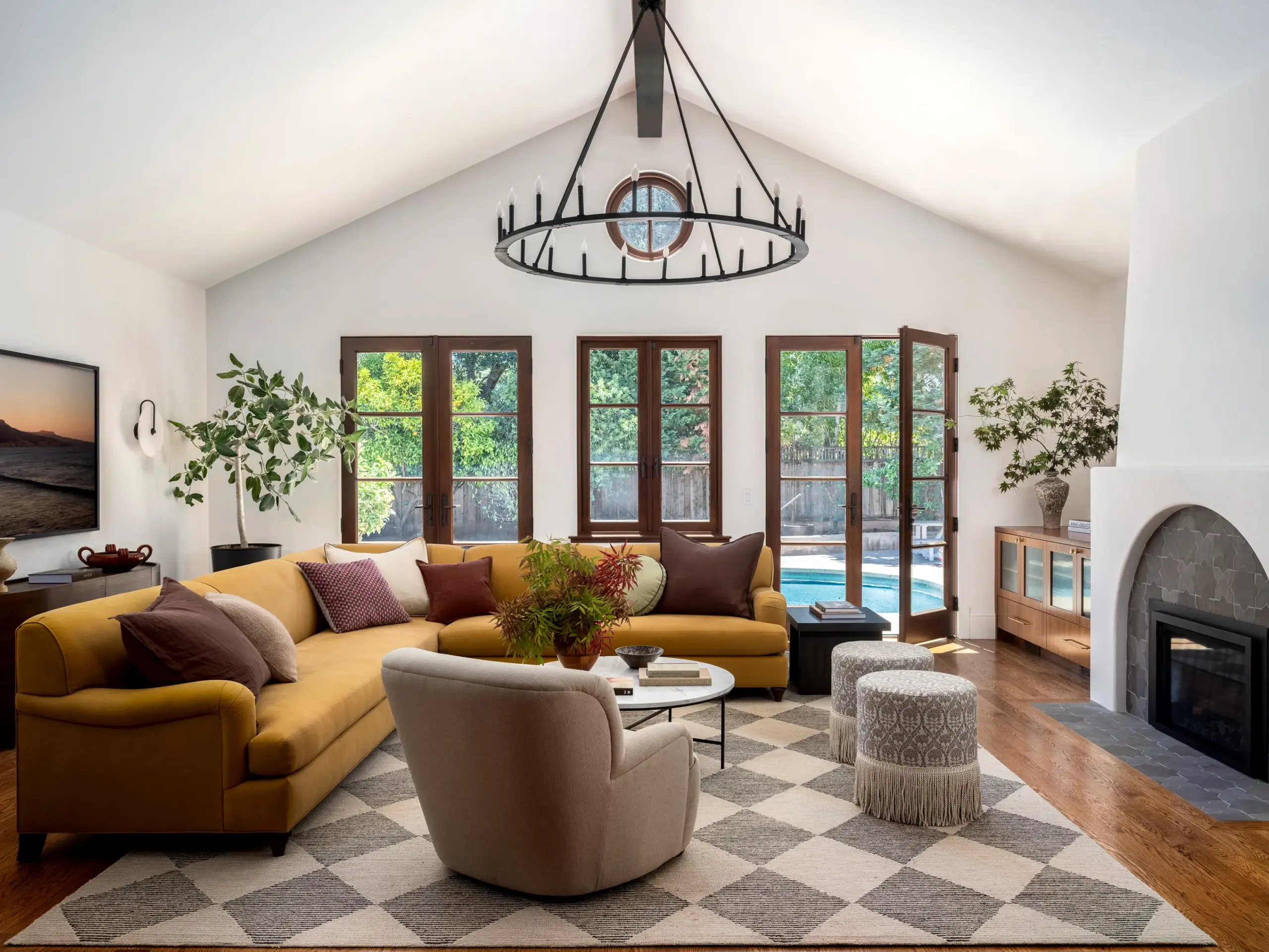
This week’s design conversation points to one clear shift: people want rooms that perform hard but still feel memorable. Not sterile. Not over-styled. Not packed with random buys. Even the splashier celebrity and wedding-driven chatter folds back into the same lesson—your home works best when the visual story is edited, layered, and practical at the same time.
The big shift: personality is back, but it has to be useful
For a while, many homes were pulled toward ultra-safe finishes and copy-and-paste layouts. Now? The pendulum is swinging toward spaces with a pulse. The smartest version of that trend is not maximalism for the sake of attention. It is high-function design with one or two unforgettable moves.
- Statement color is returning, especially in kitchens and dining zones where people are tired of playing it safe.
- Outdoor furniture is being treated like real interior furniture, with classic silhouettes and better materials instead of flimsy seasonal pieces.
- Soft furnishings are moving into hard-working spaces, which is why fabric details in bathrooms are suddenly reading charming instead of fussy.
- Tablescaping is becoming a practical purchase category, not just a holiday fantasy, because buyers want dinnerware that survives daily use and still looks elevated.
- Event aesthetics are influencing home styling, especially through wedding-inspired palettes, layered linens, candlelight, and collected-looking table settings.
The takeaway is simple: if you are updating your home, skip generic upgrades. Choose one area and make it feel distinctly yours.
A vivid kitchen is replacing the “safe resale” mindset
One of the clearest signals in current interior design is the return of the high-impact kitchen. Not chaotic. Not novelty. Just confident. A richly colored kitchen instantly changes the emotional temperature of a home, especially when the rest of the architecture is restrained.
The real lesson from this trend is not “paint everything magenta.” It is that kitchens no longer have to disappear into a sea of beige, white, and greige to feel desirable. Homeowners are responding to spaces that look designed rather than defaulted.
Why this matters for everyday homes
- Kitchens occupy visual center stage. If one room deserves a bolder identity, this is it.
- Color can do the work of décor. A saturated cabinet finish or painted island often reduces the need for extra styling clutter.
- Memorable spaces photograph well. Whether or not you care about social media, that usually means a room has stronger contrast, more intention, and better focal points.
If you want this look without a full renovation, try one strong move:
- Paint lower cabinets or the island in a jewel tone
- Swap out basic hardware for warmer, more sculptural pulls
- Use open shelving sparingly and style only the essentials
- Keep counters edited so the statement finish remains the star
And yes, organization matters here. A colorful kitchen looks chic only when the visual noise is controlled. If your utensils, wraps, and random gadgets are jammed into chaotic desk drawers repurposed in a pantry or butler’s area, the effect falls apart fast.
Patio furniture is getting a timeless Mediterranean upgrade
Outdoor spaces are no longer being furnished as afterthoughts. One of the most useful style cues right now is the rise of patio furniture that feels grounded, classic, and lightly European—pieces that suggest limestone terraces, clipped greenery, and long lunches rather than disposable summer setups.
This trend works because it blends durability with visual calm. Think pale cushions, warm neutrals, dark metal accents, woven textures, and shapes that feel architectural rather than bulky.
The details that make this outdoor look feel expensive
- Curved or refined frames instead of oversized, boxy sets
- Neutral upholstery that lets plants, stone, and terracotta bring the color
- Natural texture through wicker, rattan-look weaves, teak, or rope detailing
- Symmetry in layout, especially around a pool, fire pit, or dining area
- Layered softness through cushions and a few tailored outdoor pillows rather than piles of decorative extras
What makes this trend especially useful is its replicability. You do not need a celebrity-sized garden. You need restraint. A small balcony or compact patio can still channel the look if you choose fewer, better-shaped pieces and let negative space do some of the heavy lifting.
Quick styling rule: if your outdoor area feels crowded, remove one furniture piece before buying anything new. Better flow almost always reads more luxurious than more seating.
Fabric tub skirts are the softening trick bathrooms needed
At first glance, a fabric tub skirt sounds like a niche decorating flourish. Then you see why people love it. Bathrooms are full of hard surfaces—tile, porcelain, glass, chrome—and even beautiful ones can feel cold. A tailored tub skirt introduces softness, pattern, concealment, and a little old-house romance in one move.
That is why this trend has legs: it is decorative, but it also solves visual problems.
Why a tub skirt is catching on
- It hides awkward plumbing or unattractive tub bases
- It adds color and pattern without committing to new tile
- It makes a bathroom feel more furnished, not just fitted out
- It can conceal limited under-tub storage zones in the right setup
This is especially smart in older homes, cottage-style interiors, guest bathrooms, or spaces where a full renovation is not on the table. A striped or floral fabric can completely shift the mood from plain to character-rich.
There is one caution, though: the skirt has to be intentional. Poorly hemmed fabric or the wrong material can veer “temporary fix” instead of “designer touch.” Look for fabrics that can handle moisture, and keep the silhouette tailored.
- Choose small-scale prints for tighter bathrooms
- Use solids or ticking stripes if the room already has busy tile
- Mount it cleanly so it skims the floor instead of puddling
- Coordinate with a window shade or hand towel for cohesion
Need the room to function as well as it looks? Hidden organization is what keeps soft decorative moves from feeling messy. Bathroom-adjacent storage zones, vanities, and linen cabinets benefit from simple drawer dividers so beauty products and grooming tools do not overwhelm the room’s calmer visual story.
Wedding-inspired styling is quietly reshaping dining and entertaining at home
Even celebrity wedding buzz influences interiors in a practical way. Not because you need a grand event at home, but because weddings often preview the next wave of aspirational entertaining style: layered place settings, softer lighting, elegant neutrals, romantic color pairings, and rooms arranged for togetherness.
That influence is showing up in how people are styling dining rooms, patios, and even weeknight tables. Why? Because after years of casual everything, there is renewed appetite for ritual, polish, and occasion.
What this looks like in real homes
- More complete table settings instead of a random stack of plates
- Interest in matching or coordinated dinnerware sets
- Linen-like textures for napkins, runners, and curtains
- Candles and low lighting used beyond holidays
- Garden-inspired palettes that connect indoor and outdoor dining spaces
Ask yourself: when was the last time your dining setup felt inviting enough to make an ordinary meal feel special? That question is driving a lot of current shopping behavior.
Dinnerware is becoming a performance buy, not an impulse buy
One of the most practical developments in home style right now is that shoppers are becoming more discerning about dinnerware. Pretty plates are easy to find. Sets that survive repeated use, stack efficiently, resist obvious wear, and still look current are harder. That is why testing-based recommendations are resonating: buyers want fewer regrets.
Durability is now part of the aesthetic conversation. If a set chips quickly, stains easily, or takes up too much cabinet space, it stops being a design asset and becomes clutter.
What shoppers care about most in dinnerware now
- Chip resistance for everyday use
- Weight that feels substantial but not cumbersome
- Stackability in smaller kitchens and apartments
- Microwave and dishwasher practicality
- Color and finish longevity after repeated washing
This shift matters beyond the table. Well-chosen dinnerware supports better kitchen organization because it encourages you to keep one cohesive set instead of accumulating mismatched extras. That means cleaner cabinets, easier stacking, and less visual chaos when shelves are open or glass-fronted.
A smart editor’s rule for buying dinnerware
- If you entertain often, buy classic forms in a versatile color and layer personality through linens or serving pieces.
- If your storage is tight, prioritize low-profile bowls and plates that nest neatly.
- If your style changes often, avoid trendy motifs and choose texture, rim detail, or shape for character instead.
The common thread tying these trends together
Look closely and these ideas are all answering the same homeowner frustration: people are tired of rooms that are either pretty-but-impractical or functional-but-forgettable. The strongest design choices right now land in the middle.
- A bold kitchen color brings identity without needing more clutter
- Timeless patio furniture makes outdoor living feel intentional
- A tub skirt softens a bathroom while hiding visual awkwardness
- Wedding-inspired entertaining nudges homes toward warmth and ritual
- Tested dinnerware supports both style and day-to-day use
That is the real trend report. Not one single look, but a better standard: your home should be edited, expressive, and able to handle real life.
Steal the trend without overspending
If you want to act on this now, pick one zone and upgrade it in a way that blends style with function. Do not scatter your budget across ten mini changes.
- For the kitchen: introduce one bold finish and clear the counters aggressively.
- For the patio: replace mismatched seating with two well-scaled pieces and better cushions.
- For the bathroom: add a tailored fabric element and remove visible product clutter.
- For dining: invest in a tested dinnerware set that works for everyday meals and guests.
Small changes hit harder when the room is organized enough to let them shine. That is the difference between chasing trends and using them well.