You don’t need a sprawling mudroom, a greenhouse kitchen, or a giant primary suite to make your home feel richer, calmer, and more useful. The most interesting design shift right now is almost the opposite: small, high-character zones are doing more work than ever. A sunny windowsill becomes a mini herb garden. A once-forgotten nook turns into a reading hideaway. A bed frame stops being just a bed frame and starts acting like the visual anchor that makes a whole bedroom feel intentional.
That combination of beauty, utility, and space efficiency is exactly why this trend is landing so well with homeowners and renters alike. It fits real life. It also fits homes that are busy, compact, shared, or constantly collecting stuff.
If your rooms feel a little bland or a little overstuffed, this quick-hit report breaks down the three connected ideas shaping smarter interiors right now: windowsill growing, personality-packed restoration details, and dramatic bedroom furniture with storage potential.
The new mood: less square footage, more character
For years, home upgrades were often sold as big-ticket transformations. Now the momentum is shifting toward micro-zones that deliver daily payoff. That’s why these three themes work so well together.
- Windowsill herbs add fragrance, freshness, and function without demanding outdoor space.
- Character-driven renovations prove that playful built-ins and hidden corners can support everyday chaos rather than fight it.
- Statement bed frames show how one large piece can create a dreamscape effect, especially when paired with better storage choices.
The thread connecting them? Every inch earns its keep. And that matters when you’re trying to organize a home that still feels warm rather than clinical.
Trend watch: the windowsill is becoming prime real estate
That strip of light by your kitchen window used to hold a dying plant, unopened mail, or random jars. Now it’s being reclaimed as one of the easiest productivity upgrades in the house. Not because everyone suddenly wants to become a serious gardener, but because herbs are a low-space, high-reward win.
The smart approach is to start with herbs that suit indoor conditions and frequent harvesting. The appeal is obvious:
- You get usable ingredients right where you cook.
- You free up decorative clutter by replacing nonfunctional objects with living ones.
- You create a sensory layer that makes the kitchen feel more custom and alive.
- You test gardening with low risk before moving plants outdoors in warmer conditions.
The 5-herb windowsill formula people actually stick with
If you want a setup that feels manageable rather than aspirational, focus on herbs that are known for reliable indoor performance and regular culinary use. A practical windowsill lineup often includes:
- Basil for frequent snipping and fast kitchen gratification.
- Mint for vigorous growth, though it does best kept in its own pot.
- Parsley for steady harvests and broad cooking use.
- Chives for compact growth and easy cut-and-come-again trimming.
- Thyme or oregano for a more compact, less thirsty option with strong aroma.
The hidden organizing benefit? A dedicated herb tray can stop your windowsill from turning into a miscellaneous dump zone. Give the area a clear boundary, and people are less likely to park receipts, keys, and unopened packets there.
For households where kitchen clutter migrates quickly, pairing this habit with small containment systems elsewhere helps the whole room stay calmer. Even simple drawer dividers can reduce the overflow that usually ends up on counters and windowsills in the first place.
When to move herbs outdoors
This is where enthusiasm often outruns timing. Herbs started or kept inside can usually move outdoors only once temperatures are reliably mild and the risk of cold nights has passed. The important point is not to rush them. A dramatic weather swing can set plants back fast, especially tender herbs.
- Wait for stable overnight temperatures, not just one sunny afternoon.
- Harden plants off gradually by giving them increasing time outdoors over several days.
- Watch the light shift because indoor-grown herbs can scorch if moved straight into harsh sun.
That cause-and-effect matters: move them too early, and you lose growth. Move them at the right time, and your windowsill starter project becomes a full spring and summer harvest pipeline.
Why playful restoration details are suddenly so persuasive
The second big shift is happening in renovation and interior design coverage: homes with strong character are resonating more than spaces that look expensive but slightly anonymous. A restored Californian Tudor with whimsical, built-in surprises captures that perfectly. Not because everyone wants a hidden reading nook or a swing seat, but because people are hungry for design that supports real family life without flattening personality.
That is a major clue for anyone organizing a home. The best spaces are no longer just tidy. They are tidy with intent.
- A nook can become a reading zone instead of dead circulation space.
- A bench or swing element can signal where people should gather, reducing sprawl elsewhere.
- Restoration details add visual character, which means you can decorate less aggressively.
- Built-ins often outperform freestanding furniture in awkward layouts.
Ask yourself: do you really need another decorative object, or do you need one better-defined zone?
What this means for home organization right now
There’s a practical lesson hidden inside these high-character homes. When a room is designed around behavior, clutter has fewer places to breed.
Examples of behavior-led design choices:
- Adding a slim shelf or ledge where kids actually drop books.
- Turning an underused landing or alcove into a micro-library.
- Using enclosed storage in high-traffic rooms so visual noise stays lower.
- Creating one highly appealing seat or nook so everyone doesn’t colonize the kitchen counter.
This is especially relevant in bedrooms and dressing areas, where clothing clutter multiplies if storage doesn’t match the way you live. If your wardrobe is constantly overstuffed, adding a modular drawer for wardrobe system can make folded categories visible and stop chairs, benches, and bed corners from becoming backup closets.
Quick reality check: The most successful restoration-inspired interiors are not packed with features. They use a few memorable, useful ones. That’s the difference between character and chaos.
Bedroom news: the bed is back to being the star
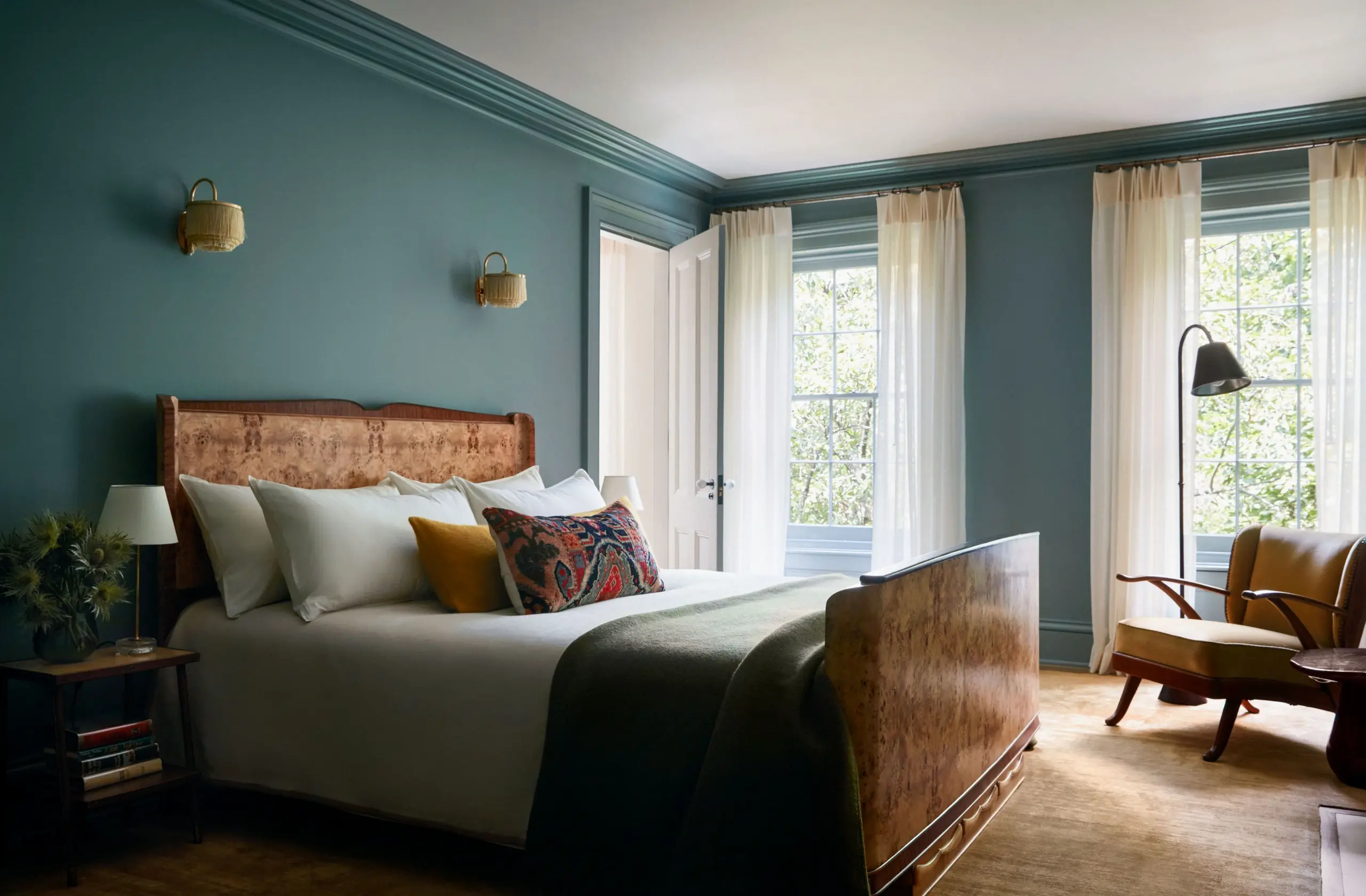
The third piece of this trend report is all about the bedroom, where dramatic wingback bed frames are gaining attention because they do something many minimal beds do not: they instantly create atmosphere. Curved lines, tufted upholstery, rattan panels, and taller silhouettes can make a room feel layered even before you add much decor.
And that matters in smaller homes, where the bedroom often needs to feel restorative without being overcrowded.
- A wingback profile frames the bed visually, creating a focal point.
- Textural materials like velvet, linen-look upholstery, or woven inserts add softness without extra accessories.
- Taller headboards can make standard rooms feel more finished and intentional.
- Statement bed frames reduce the need for too many competing pieces.
The storage catch no one should ignore
A beautiful bed can improve the room, but only if it works with your storage plan. Oversized silhouettes, side rails, and upholstered wings can visually dominate a compact bedroom. So the buyer decision isn’t just style. It’s style plus clearance, circulation, and under-bed usability.
Before choosing a dramatic frame, check these factors:
- Floor footprint: Measure beyond mattress size, especially with winged or curved edges.
- Nightstand clearance: Make sure side tables can still open drawers comfortably.
- Cleaning access: Upholstered frames can collect dust around edges and seams.
- Storage compatibility: Decide whether you need hidden bins, drawers, or open clearance underneath.
If your bedroom is short on closet space, the smartest move is often pairing a statement bed with under bed storage with wheels so seasonal clothes, spare bedding, or extra linens stay accessible but out of sight. It’s one of the easiest ways to keep the dreamscape effect from collapsing into visible clutter.
Which bed-frame styles are winning right now?
The strongest looks tend to fall into a few buckets:
- Tufted wingbacks for classic drama and a cocooning feel.
- Curved upholstered frames for a softer, more contemporary profile.
- Rattan or cane-accented designs for warmth and texture.
- Neutral fabric statement beds that feel grand without overwhelming the room.
The best choice depends on your room’s existing architecture. In a plain boxy bedroom, a sculptural frame adds needed character. In a room that already has heavy molding, patterned wallpaper, or ornate lighting, a quieter wingback may do the job better.
How these three trends work together in a real home
Individually, these ideas seem unrelated: herbs, restoration details, and bed frames. Together, they point to a bigger design story. People want homes that feel useful, emotionally engaging, and less generic.
That leads to a smarter organizing principle:
- Use living elements like herbs where you need energy and function.
- Use architectural or playful details where you want identity and habit-shaping.
- Use statement furniture where one piece can define the room and reduce decorative excess.
In other words, stop trying to fill every room evenly. That’s how homes end up both cluttered and forgettable.
The quick-hit action plan to copy this look without overspending
If you want the takeaway in a form you can use this week, here it is.
- Pick one windowsill and remove everything that doesn’t deserve the light.
- Start with 3 to 5 culinary herbs you’ll genuinely use, rather than an ambitious edible jungle.
- Identify one dead corner that could become a reading perch, display ledge, or contained drop zone.
- Audit your bedroom storage before buying furniture, not after.
- Choose one statement piece per room so the space has hierarchy.
- Use concealed storage wherever visual calm matters most, especially bedrooms and family zones.
Expert tip: If you’re redesigning a small room, make one feature tall, one feature living, and one feature hidden. For example: a tall wingback bed, a living herb tray in the adjacent kitchen, and hidden under-bed storage. That mix creates depth without crowding the eye.
The bigger message from this design moment is reassuring. You don’t need more rooms. You need better-performing ones. A windowsill can become productive. A nook can gain purpose. A bed can create a dreamscape and still support organization. That’s not just stylish. It’s how a busy home starts feeling easier to live in.