You can tell a home trend has moved beyond aesthetics when it starts showing up in three very different places at once: the garden bed, the shower stall, and the living room chair you suddenly can’t stop thinking about. Right now, the shift is clear. People aren’t just buying prettier things for their homes; they’re hunting for upgrades that feel healthier, calmer, and smarter to live with every day.
That’s why a fragrant plant meant to repel ticks, shower filters promising better hair and skin, globally inspired breakfast rituals, collectible modern design, and even a Dolly Parton fashion launch all point to the same bigger story: the home is becoming more personal, more sensory, and more curated. If you care about home organization and design, this matters more than it may seem at first glance. These trends shape what you store, what you display, what earns counter space, and what deserves a permanent place in your routine.
The quick read on the trend
- Wellness is getting built into everyday home choices, not reserved for spa bathrooms or luxury renovations.
- Outdoor spaces are being treated like protective zones, with plants chosen for both beauty and function.
- Bathrooms are becoming filter-first spaces, especially in homes dealing with hard water.
- Design buyers still crave iconic furniture, but the conversation is shifting toward emotional connection and livability.
- Food rituals and lifestyle branding are influencing interiors, from breakfast presentation to display-worthy kitchen storage.
The result? A more edited home where each object needs to work harder. It should solve a problem, support a habit, or make the room feel unmistakably yours.
Why the garden is now part of the home wellness conversation
For years, a lot of homeowners treated the yard as a separate category: landscaping outside, organizing inside. That line is fading. The newest garden interest is deeply practical, especially when it comes to ticks. A fragrant plant like lavender is gaining attention because it offers a rare combination people love: it looks beautiful, smells good, and may help make outdoor areas less hospitable to pests.
That’s a powerful formula in a market crowded with purely decorative plants and purely functional pest-control products. Lavender fits the moment because it checks multiple boxes at once:
- Visual appeal: soft purple blooms work with cottage, Mediterranean, and modern naturalist gardens.
- Sensory payoff: the scent reads calming, clean, and expensive.
- Practical use: it supports a lower-clutter outdoor strategy by reducing the need for bulky, unattractive deterrents.
- Indoor crossover: dried stems can move inside for closet sachets, entry styling, or bathroom display.
That crossover matters. The most durable home trends usually travel from one zone to another. Lavender is no longer just a garden plant; it is part of a lifestyle system. Grow it by a path, snip it for a bedside bundle, tuck it near folded linens. One choice, several benefits.
Actionable takeaway: If you’re refreshing your outdoor space this season, prioritize plants that earn their footprint. Pest resistance, fragrance, and cut-stem usefulness are better filters than color alone.
What organized homeowners are doing differently outdoors
The smartest outdoor setups are starting to mirror good indoor organization: fewer random purchases, more intentional grouping, and better containment. Instead of scattering mismatched pots around the yard, people are creating compact scent zones near doors, patios, and walkways where functional plants can do more work.
- Near entry points: place fragrant, tidy plantings where people transition in and out.
- Near seating areas: build a small cluster rather than one-off containers.
- Near utility spaces: use low-maintenance plants to soften storage sheds, hose reels, and side yards.
It’s the same principle you use indoors: put the right item where the friction happens.
Bathroom upgrades are moving from beauty splurge to maintenance essential
If your hair feels rougher than it used to, or your skin seems tight no matter what moisturizer you buy, your products may not be the main issue. More households are paying attention to water quality, especially hard water and other impurities that can affect the way skin and hair behave. That’s why shower filters are gaining traction as one of the more practical wellness upgrades in the home.
This is a classic buyer-decision trend disguised as a beauty story. People are realizing that a shower can be a maintenance system, not just a place to store shampoo bottles. And once that clicks, the whole bathroom changes.
- Less product overload: when water is gentler, some people find they need fewer corrective products.
- Cleaner visual environment: fewer bottles and treatment extras means less countertop clutter.
- Better routine design: the shower becomes an anchor habit, not a chaotic catchall.
Here’s the deeper reason this trend has legs: it blends invisible performance with visible results. You may not see a filter working every second, but you notice when your hair feels less coated or your scalp seems less irritated. Home products that create that kind of before-and-after effect tend to stick.
And once you start editing the bathroom around what actually improves the daily experience, storage starts to matter more. Bulky packaging, duplicate purchases, and half-used treatments suddenly feel like noise.
That’s where containment earns its keep. A compact acrylic makeup organizer works especially well in bathrooms where you want a cleaner visual line, because clear storage lets you see what you own without turning the vanity into a pileup.
The hidden factor: hard water changes storage behavior too
Not glamorous, but true. When water quality is tough on hair and skin, people often overbuy products in search of a fix. That means:
- more backup bottles
- more trial-size clutter
- more expired treatments
- more drawer overflow
Fix the root cause and you often reduce the storage problem downstream. Isn’t that the kind of home upgrade we actually want—one that makes the room look better because it works better?
Design is getting more emotional, not less functional
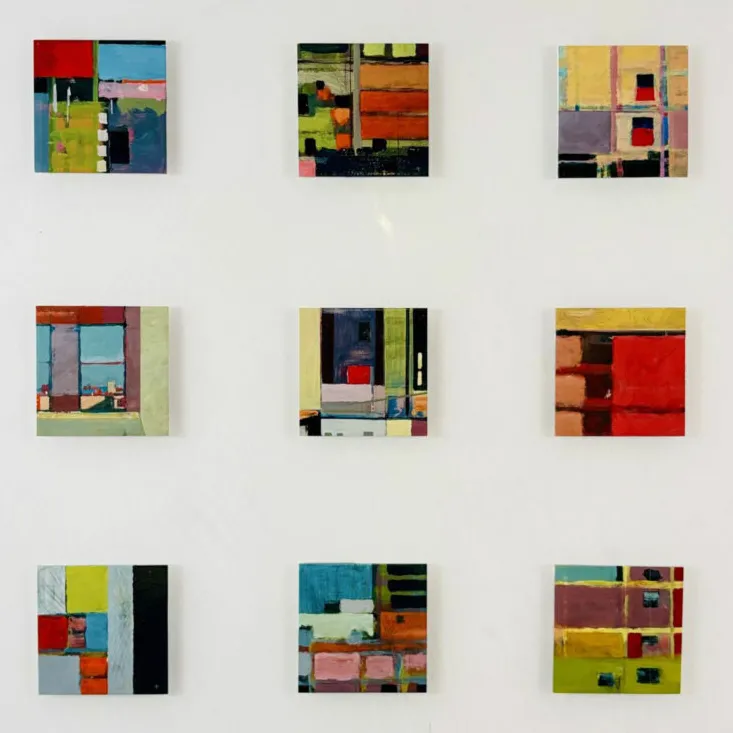
On the design side, the conversation around artist and architect Barry Ginder offers a revealing clue about where interiors are headed. His interest in layered surfaces, urban energy, abstraction, and the way people experience space reflects a broader appetite for homes that feel composed but alive. Not sterile. Not overly matched. Balanced, textured, personal.
The mention of Sean Scully and Finn Juhl’s Chair 45 adds another dimension. These references matter because they point to enduring design values:
- repetition with variation
- strong form softened by texture
- pieces that feel architectural but still human
- objects chosen for lasting presence, not quick novelty
That is increasingly relevant for organized homes. Decluttering has matured. The goal is no longer empty shelves for the sake of empty shelves. The better goal is a home with fewer, better things—items that deserve to be seen and support the rhythm of the room.
So what does this look like in practice?
- One standout chair instead of several forgettable accent pieces
- Artwork with layered color instead of filler wall decor
- Storage that disappears visually or contributes materially
- Rooms designed around movement and use, not just snapshots
If you’re editing a workspace or multipurpose room, don’t ignore the small storage architecture either. A reset of your desk drawers can dramatically improve how a design-forward room functions day to day, especially when the surfaces are meant to stay visually calm.
What to borrow from this design shift
- Layer, don’t overcrowd: depth comes from material contrast, not sheer quantity.
- Choose statement pieces with utility: a chair, lamp, or side table should earn its square footage.
- Keep visible storage disciplined: if it stays out, it should contribute to the room’s composition.
Quick rule: If an object is beautiful but constantly in the way, it isn’t truly supporting the space. If an object is useful but visually chaotic, contain it or relocate it.
Breakfast culture is quietly shaping kitchen organization
At first glance, the popularity of breakfast foods from around the world may seem disconnected from home organization. It isn’t. Food culture has become one of the strongest drivers of kitchen layout, pantry decisions, and countertop priorities. As breakfast routines become more varied and globally influenced, kitchens need to support more than cereal and toast.
Think about the ripple effect:
- Egg-heavy breakfasts push demand for better refrigerator zoning and quick-access cookware storage.
- Spread-based or pastry breakfasts favor serving trays, bread boxes, and attractive countertop containment.
- Tea, coffee, and breakfast condiment rituals encourage dedicated stations instead of scattered items.
And yes, eggs really do have a hold on people. They’re fast, protein-rich, and adaptable across countless breakfast traditions. That means the modern organized kitchen increasingly benefits from storage that supports repeat use:
- a clear breakfast prep zone near the stove
- easy access to pans, oils, salt, and plates
- fridge bins that keep high-turn ingredients visible
- a small tray for everyday morning essentials
This is where trend watching becomes practical. If your morning routine repeats four or five days a week, it deserves premium real estate. Why keep your most-used breakfast items buried behind holiday platters and novelty gadgets?
For smaller homes, the same logic applies to overflow storage. If seasonal linens, guest bedding, or off-duty kitchen stock are clogging prime cabinets, shifting lesser-used items into under bed storage with wheels can free up the spaces you touch every morning.
Dolly Parton’s “iconic” launch says something bigger about home taste
A celebrity denim launch might sound far from decluttering strategy, but culturally it signals a taste shift that home brands are already responding to. Dolly Parton’s appeal has always blended glamour, warmth, confidence, and a very specific kind of Americana. That combination is resonating again.
In interiors, that often translates to:
- more personality over minimal blandness
- playful polish instead of severe restraint
- rooms that feel expressive, not anonymous
- a mix of practicality and star quality
This doesn’t mean your home needs rhinestones or theatrical decor. It means the pendulum is swinging away from homes that look professionally stripped of identity. People want edited spaces, yes, but they also want rooms that wink back a little.
That’s useful for storage decisions. The best storage now does two jobs:
- It reduces mess
- It supports the style story of the room
Woven baskets, sculptural trays, smoked acrylic, tailored bins, and furniture with hidden compartments all fit this mood better than purely utilitarian tubs left out in the open.
The bigger takeaway for your home right now
These headlines may look unrelated, but together they point to one of the clearest home trends of the moment: people want spaces that protect their energy, support their routines, and still feel visually rich. The garden should help you enjoy the yard, not just fill it. The shower should improve the way your body feels, not just hold products. The kitchen should support real habits, not fantasy ones. And the living room should reflect your taste with enough confidence to avoid sameness.
- If you’re updating one area this month: choose the upgrade that solves both a lifestyle problem and a visual problem.
- If you’re decluttering: remove items that duplicate effort rather than improve it.
- If you’re shopping: favor multi-benefit pieces—beautiful, functional, and easy to maintain.
That’s the trend underneath all the trend pieces. Homes are getting less random. Better edited. More sensory. More intentional. And frankly, that’s a shift worth stealing for your own space.