You can spend thousands on a kitchen renovation or a new sofa and still have your home feel messy within 24 hours. Why? Because the biggest visual offenders are rarely the expensive pieces. They are the everyday items you stop seeing: the muddy pile by the door, the recycling bin that hijacks your kitchen sightline, the bulky sleeper sofa that eats the room it is supposed to save.
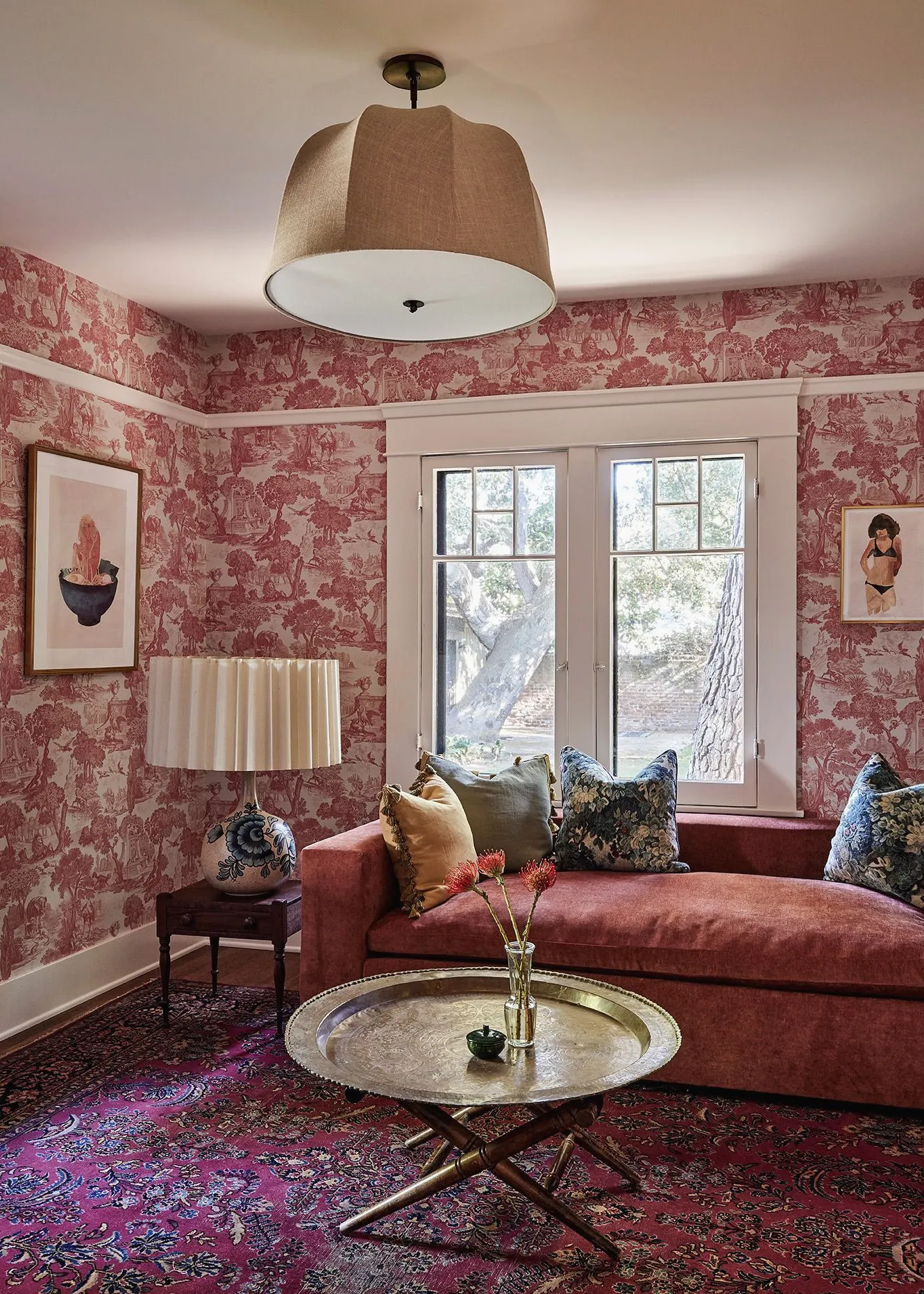
That is the real shift happening in home organization right now. Organizers and design-forward brands are pushing the same idea from different angles: the most functional spaces are also more edited. Not emptier for the sake of minimalism—just smarter about what stays visible, what gets relocated, and what deserves to look chic because you use it constantly.
If your mudroom is clogged, your trash setup feels like an eyesore, or your guest solution is one giant compromise, a storage reset will do more for your home than another decorative basket ever could.
Which everyday items are quietly making your entry or mudroom less functional?
The short answer: anything that turns a transition zone into a holding zone.
Mudrooms and entry areas work best when they support a fast sequence—drop, store, leave. The moment that space becomes a parking lot for random items, it stops functioning as a buffer and starts broadcasting clutter into the rest of the house. Professional organizers consistently point to the same category of problem items: things that do not belong there full-time, things duplicated elsewhere, and things you keep out of habit instead of use.
Watch for these high-friction culprits:
- Out-of-season shoes and coats that crowd the current essentials.
- Broken umbrellas, unmatched gloves, and dead accessories you mean to deal with later.
- Paper piles like school flyers, mail, receipts, and takeout menus.
- Sports gear without limits, especially helmets, balls, shin guards, and tote bags multiplying on the floor.
- Pet supplies in excess, from spare leashes to half-empty treat containers.
- Donation items that linger so long they become new clutter.
- Reusable shopping bags stuffed inside each other in one giant fabric tumbleweed.
- Cleaning products stored where kids and guests can see or reach them.
- Decor that competes with storage, like fragile stools, oversized plants, or catchalls that catch too much.
- Furniture that is too big for the traffic pattern, forcing people to sidestep instead of pass through.
The cause-and-effect here matters. A crowded mudroom increases visual noise, and visual noise creates decision fatigue. When you have to dig for the right shoes or move three bags to hang one jacket, the space trains you to drop things anywhere. That is how clutter snowballs.
A better rule is brutally simple: if an item is not used at least several times a week during the current season, relocate it. Deep storage, a hall closet, a laundry room cabinet, or even a labeled bin on a high shelf is better than prime real estate near the door.
Expert tip: Cap visible mudroom inventory by category. For example, two pairs of shoes per person, one active outerwear hook per person, one basket for accessories, and one defined bin for pet gear. If the container is full, something gets edited or relocated. That one rule prevents “temporary” overflow from becoming permanent.
And if your entry storage is bleeding into bedroom or laundry storage, it may be time to rethink where small apparel and accessories live. A slim cabinet for clothes can absorb off-season scarves, hats, and grab-and-go basics far better than an overloaded bench ever will.
Why are trash and recycling bins suddenly being treated like decor?
Because they have always been visible, and most homes have pretended otherwise.
Trash and recycling are some of the hardest-working items in a kitchen, yet they are often the least considered visually. A flimsy plastic bin shoved beside a cabinet instantly drags down even a beautiful space. If your cabinets are custom, your hardware is thoughtful, and your counters are clear, one clunky waste setup can still dominate the room. That is why newer kitchen launches are treating bins less like a utility afterthought and more like a design object.
This trend is not just about chic finishes. It reflects a more realistic way of living: if something stays out all day, it needs to contribute to the room instead of interrupting it. That is especially true for recycling, which many households now manage in larger volume than trash. Better sorting, cleaner silhouettes, and tighter lids all make the kitchen more functional while reducing the visual weight of a necessary task.
Design-forward bins are earning attention for a few practical reasons:
- They reduce the eyesore effect with sleeker shapes and colorways that blend into cabinetry or contrast intentionally.
- They support recycling behavior by making separation easier and less messy.
- They often improve odor control with better seals and washable inserts.
- They feel less temporary, which matters when they sit in full view every day.
That is where brands like Caraway have tapped into something smart. The appeal is not merely that the bins look nicer. It is that they acknowledge a design truth homeowners already know: ugly essentials still shape the room. When a trash can becomes a considered object rather than a hidden compromise, the whole kitchen reads as more intentional.
Should everyone rush to buy a new waste system? Not necessarily. But you should ask one useful question: Is my current setup functional enough to deserve being seen? If the answer is no—if it is awkward, stained, dented, or impossible to clean—it is doing double damage.
Fast fix: before replacing anything, test the ideal location. Put painter’s tape on the floor and mark the footprint of a new bin size. Open nearby doors, dishwasher, and drawers. The best-looking trash solution still fails if it blocks your kitchen work triangle.
When is a sleeper sofa a smart small-space buy, and when is it just bulky storage in disguise?
A sleeper sofa is smart when it solves two problems well: seating and occasional sleeping. It is a mistake when it solves neither comfortably.
The renewed interest in chic sleeper sofas says a lot about how people are using their homes. Guest rooms are rarer, multipurpose rooms are more common, and homeowners want flexible furniture that does not scream “backup bed.” But stylish does not automatically mean space-savvy. In small homes, the wrong sleeper can become another oversized object that you walk around every day for the sake of a few overnight stays each year.
Use this decision checklist before buying:
| Question | If Yes | If No |
|---|---|---|
| Do you host overnight guests at least a few times a year? | A sleeper may earn its footprint. | Consider a standard sofa and a high-quality air bed or daybed alternative. |
| Will the sofa be your main seating? | Seat depth, cushion firmness, and frame quality matter most. | You can prioritize compact size and easier bed conversion. |
| Can you fully open the bed without moving multiple pieces? | The layout supports real function. | The sleeper will feel annoying fast. |
| Does the style look good even when never unfolded? | It works as everyday furniture. | You are paying for compromise and looking at it daily. |
The best current models tend to avoid the old sofa-bed stereotypes: lumpy mattresses, heavy pull mechanisms, and boxy silhouettes. The strongest designs now lean cleaner, lower-profile, and more integrated into modern interiors. That matters because a sleeper sofa is visible all the time, while its bed function is occasional. Your eye experiences the sofa first.
Here is the hidden factor many people miss: mattress thickness is not the only comfort metric. Seat construction, support deck, and ease of opening affect whether the piece actually gets used. Some compact sleepers look chic online but require so much muscle to open that they become theoretical guest beds.
If you live in a smaller home, measure three things—not one:
- The closed width and depth of the sofa.
- The open-bed clearance from wall to opposite furniture.
- The walking path that remains once the bed is out.
If that final number is miserable, the purchase is not functional, no matter how chic it is.
💡 Pro Tip: If your guest setup also needs to hold linens, chargers, and daily essentials, simple drawer dividers can turn a nearby console or sideboard into support storage, so the sleeper sofa does not have to do every job in the room.
How do you make practical household items look intentional instead of cluttered?
By editing visibility, not pretending utility does not exist.
This is where the three source themes connect beautifully. Mudroom overflow, recycling bins, and sleeper sofas all sit at the intersection of use and appearance. They are not decorative objects, but they absolutely affect design. The goal is not to hide everything. It is to decide what should be visible, what should be upgraded, and what should be relocated.
A practical framework helps:
1. Keep high-use items accessible, but limited
Your everyday essentials deserve the easiest reach. That means the current-season coat, the active pet leash, the kitchen recycling bin, the guest sofa you actually use. It does not mean every possible version of those items living out in the open.
2. Upgrade what cannot be hidden
If an item lives in plain sight every day, aesthetics matter. This is why a more considered trash or recycling bin can be a valid design purchase rather than a frivolous one. The same logic applies to a sleeper sofa in your living room and a bench or hooks in your mudroom.
3. Relocate low-frequency items aggressively
The fastest way to make a home feel more organized is to remove the items that are “useful sometimes” from your most visible zones. Seasonal gear, spare tote bags, duplicate cleaning supplies, backup bedding, and mystery accessories belong in secondary storage.
4. Match container quality to room visibility
Use your prettier bins, baskets, and concealed storage in high-traffic rooms. Save the basic plastic tubs for attic, basement, or closet use. Not every container must be expensive, but the visible ones should support the room.
5. Give every flexible item a limit
Flexible furniture and utility products often sprawl because they feel adaptable. One sleeper sofa becomes an excuse for extra pillows, folded blankets, side baskets, and guest overflow. One mudroom shelf becomes six. Limits are what keep functional from turning chaotic.
The smartest home organization move is often subtraction, not addition. Before you buy a storage product, remove the items making the product necessary.
If you want one actionable reset this week, do this: stand at your front door, then your kitchen entrance, then the spot where a guest would sleep. In each location, name the first thing your eye lands on. Is it useful, chic, and functional—or just familiar? That answer usually tells you exactly what needs to be tossed, hidden, or upgraded next.