You do not need a sprawling backyard to make spring feel extravagant. Sometimes the most memorable seasonal spaces are a compact patio with one spectacular hydrangea, a balcony layered with blossom-filled branches, and a simple dessert set out at exactly the right moment. That is the real organizing lesson hidden inside April’s flower obsession: when your outdoor area is small, beauty has to be intentional. A few smart choices now can carry your space from early spring into summer without turning it into a cluttered, high-maintenance mess.
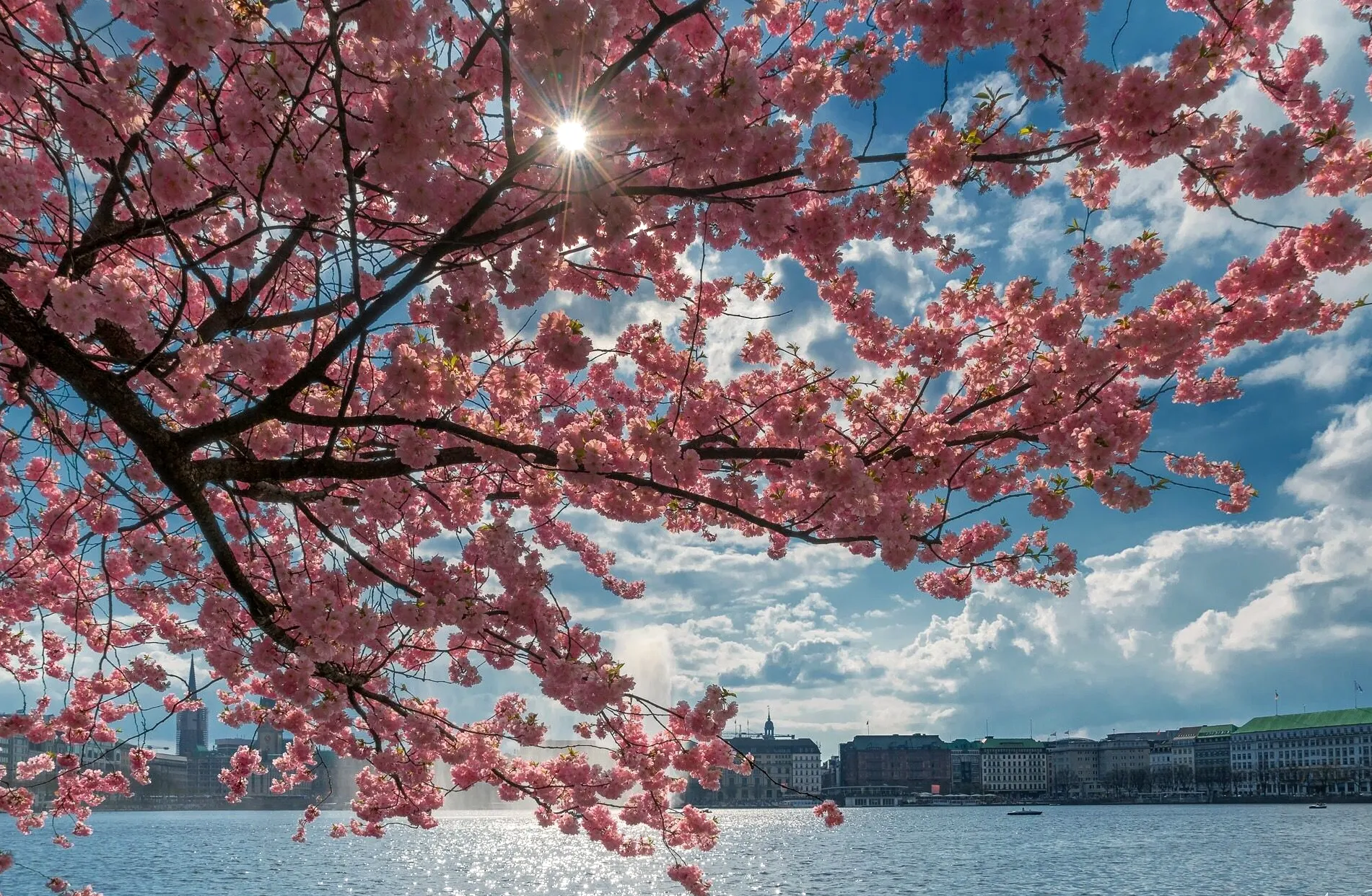
April is the pivot point. Hydrangeas are waking up, cherry blossoms are setting the visual mood everywhere from major parks to neighborhood streets, and people are suddenly thinking about outdoor gatherings again. But this is also when small-space mistakes get expensive. Prune the wrong hydrangea at the wrong time and you can lose a season of blooms. Fill every corner with impulse-bought planters and your patio starts to feel crowded instead of calm. Even entertaining can tip from charming to chaotic if you do not create zones for serving, seating, and storage. The best spring spaces are not the fullest ones. They are the most edited.
The spring decorating cue worth stealing from flower destinations
Why do famous blossom destinations feel so magical? It is not only the flowers. It is the sense of rhythm: a canopy overhead, open walking space below, and a focal point that tells your eye where to land. You can recreate that same effect at home, even on a narrow porch or petite deck, by designing in layers rather than scattering decor across the floor.
Start with one vertical moment. That could mean a slim trellis, a wall-mounted planter rail, or a tall hydrangea in a structured pot. Then add a mid-level feature such as a bistro table, bench, or grouped containers in one defined cluster. Leave some negative space. Yes, empty space is part of the design. It keeps petals, leaves, serving trays, and foot traffic from competing with each other.
“Small outdoor spaces look larger when every item has a job,” the best landscape stylists often emphasize. “A plant can be a privacy screen, a focal point, and a seasonal color statement at the same time.”
That approach matters if you are working with flowers that already bring drama. Cherry blossom-inspired styling works best when the surrounding setup is restrained: pale textiles, lightweight furniture, and a limited color palette that lets soft pinks, whites, and greens do the heavy lifting. If your patio currently feels busy, remove before you add. One oversized pot often does more than six tiny ones.
Hydrangeas in April: the maintenance move that affects your whole summer setup
Hydrangeas are one of those plants people treat like foolproof decor pieces right up until bloom season disappoints them. The big April trap is assuming all hydrangeas should be cut back hard in spring. They should not. Some bloom on old wood, some on new wood, and if you prune without knowing which type you have, you may be cutting off the very stems that would have flowered in summer.
That single mistake is not just a gardening issue. It affects the look, mood, and function of your outdoor space for months. A full hydrangea can anchor a seating area, soften harsh railings, and make a small patio feel lush and finished. A leggy, bloom-free shrub does none of that. If you are not sure which variety you own, resist the urge to shape it aggressively. Remove only dead wood, winter-damaged stems, or obviously weak growth until you can identify the plant more confidently.
“The fastest way to ruin a summer display is spring pruning done out of habit,” experienced growers warn. “April care should be deliberate, not automatic.”
There is another practical layer here: deer resistance is often oversold in spring planting conversations. If you are styling an accessible front garden or an unfenced outdoor nook, do not assume hydrangeas are fully safe from browsing. Deer pressure varies by region and food availability. That means your organizing plan should include plant placement, not just plant choice. Put your showiest containers closer to the house, keep sightlines tidy so damage is easier to spot, and avoid stuffing vulnerable plants into hard-to-reach corners where maintenance gets skipped.
A smarter way to organize a bloom-heavy patio
If your goal is fuller flowers and a cleaner-looking outdoor area, think in zones:
- Display zone: one standout flowering shrub or arrangement that acts as the visual centerpiece
- Care zone: a hidden basket or lidded box for gloves, pruners, fertilizer, and watering tools
- Hosting zone: a tray, small cart, or side table reserved for drinks, dessert, and serving pieces
This structure prevents the classic spring problem of every surface turning into a temporary drop zone. Tools migrate onto dining chairs. Extra pots pile by the door. Cushions compete with seed packets. A small space cannot absorb that kind of disorder gracefully.
💡 Related Resource: If seasonal clothing and outdoor entertaining supplies are crowding your entry or utility area, a well-planned cabinet for clothes setup can free up the hidden storage you need for gardening extras and spring linens.
What a bakery-favorite dessert can teach you about outdoor entertaining
There is a reason airy, layered desserts become spring and summer staples at gatherings: they feel celebratory without demanding a formal setup. That matters when you are entertaining in a small outdoor space. A heavy sheet cake, oversized serveware, or a buffet-style spread can overwhelm a modest table instantly. But a light, elegant dessert presented on a pedestal stand or compact tray reads polished and takes up far less room.
The better strategy is to style the gathering the same way you style the garden: give one thing the spotlight. If dessert is the star, keep the table editing tight. Linen napkins, slim plates, one vase of clipped blooms, done. You do not need multiple centerpieces and decorative clutter around it. People remember the feeling of abundance, not the number of objects on the table.
That is especially useful during peak flower season, when nature is already doing most of the decorating for you. Hydrangea leaves, blossoming branches, and fresh spring light create atmosphere that indoor tablescapes usually have to fake. Why compete with that? Your job is to support the moment, not crowd it.
The small-space formula that carries April into summer
If you want your outdoor setup to feel beautiful in April and still function in July, build around longevity. That means choosing pieces and plantings that transition well instead of peaking for one weekend. Hydrangeas are ideal because they can bridge spring freshness and summer fullness. Blossom-inspired styling works because it sets a soft palette you can keep using even after petals are gone. And a streamlined entertaining station means you can host without dragging half your kitchen outside every time.
Here is the practical formula: one statement plant, one concealed storage solution, one serving surface, and one seasonal ritual you will actually repeat. Maybe that ritual is weekend coffee under the blossoms. Maybe it is a simple birthday dessert outside. Maybe it is clipping a few blooms every Friday and refreshing the table. The point is not to create a magazine set. It is to make the space easy enough to use that it does not become another neglected corner.
So before you buy more planters or start cutting back every hydrangea in sight, pause. Ask yourself: does this choice make the space calmer, fuller, and easier to maintain by summer? If the answer is yes, keep going. If not, edit harder. The prettiest spring outdoor spaces are rarely the most crowded. They are the ones where flowers, furniture, storage, and hosting all work together with almost no visible effort.