Your kitchen probably does not have a storage problem as much as it has a surface problem. The fruit bowl grows into a catchall, the carrots get shoved wherever they fit, and that one pretty olive tree you brought home suddenly competes with your coffee station for the last patch of clear counter. Sound familiar? The fix is not always another basket or a bigger organizer. Sometimes the smartest move is to stop storing things on the counter at all.
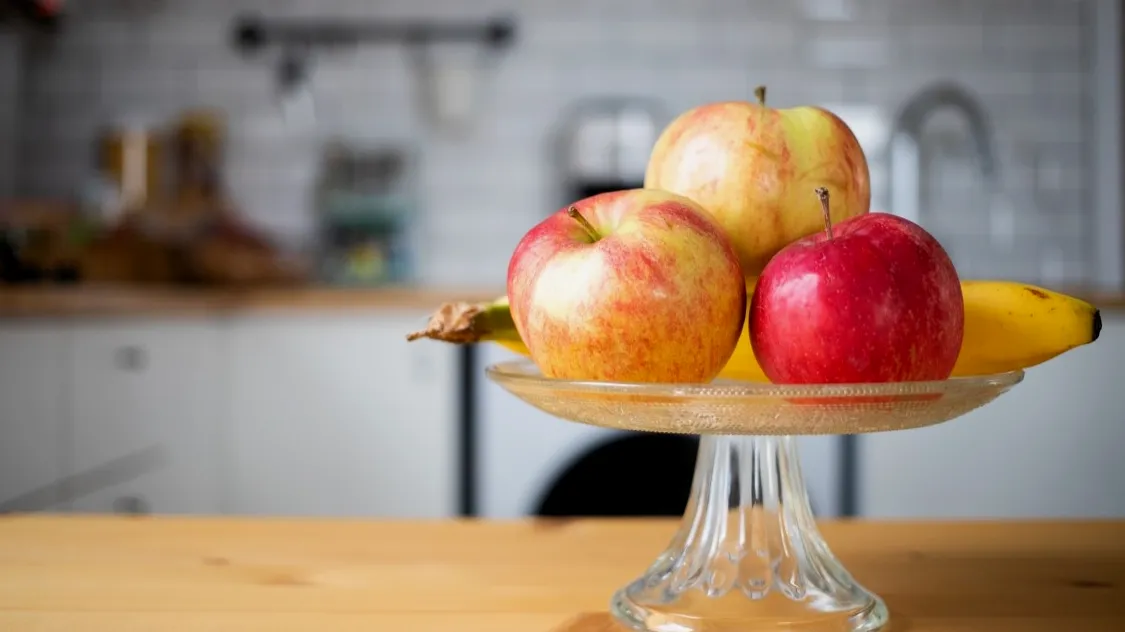
What makes this moment interesting is that three seemingly unrelated ideas are colliding in real kitchens: under-cabinet hanging storage, better produce habits, and the rise of indoor edible decor like olive trees. Put them together and a clear organizing rule emerges: keep high-use items visible, keep ripening produce ventilated, and reserve prime counter real estate for the things that genuinely need light, water, or daily access.
If your kitchen feels crowded no matter how often you tidy it, these are the questions worth asking.
Why does the counter get cluttered so fast, even after you clean it?
Because the counter is the easiest flat surface in the room, and flat surfaces attract objects. That sounds obvious, but it matters. A bowl meant for fruit becomes a drop zone for mail, keys, grocery receipts, and packaging because it sits in the path of daily life. Once that happens, your kitchen stops functioning like a prep space and starts acting like a storage shelf.
The overlooked culprit is often the upper-cabinet underside. In many kitchens, that strip of space is completely unused even though it is close to prep areas, easy to reach, and visually lighter than adding another countertop container. A hanging produce net or sling mounted beneath a cabinet works because it turns dead air into active storage. Instead of stacking one more object on a busy surface, you shift the contents upward and out of the way.
That change does two things immediately. First, it frees usable work space, which makes the kitchen feel calmer even if you have not actually removed many items. Second, it adds a natural limit. A hanging net can hold fruit, bread, or a few vegetables, but it does not invite random clutter the way a wide bowl does.
Cause and effect matters here: when storage is open but slightly specific, you make better choices automatically. You are less likely to toss non-kitchen items into a suspended produce net than into a decorative bowl sitting at elbow height.
If your kitchen is small, this principle matters even more. In compact rooms, every square inch of counter carries a job: prep zone, appliance landing spot, dish staging area, or coffee setup. Giving some of that space back to actual cooking can make the whole room work better without a full reorganization.
What should actually live in under-cabinet storage, and what should not?
Under-cabinet hanging storage is best for items that benefit from airflow and frequent access. Think produce with sturdy skins, a loaf of bread you are actively using, or kitchen linens you want close to the sink or prep area. It is not a universal answer for everything, and that is exactly why it works.
Best candidates for under-cabinet hanging storage
- Bananas, especially if you want to keep them from bruising in a crowded bowl
- Citrus and similar fruit that does well with air circulation
- Onions or garlic, if the area stays cool and away from steam
- Bread for short-term use
- Kitchen towels in a soft sling or hook-based setup
Items to keep out of that zone
- Heavy produce loads that can strain mounting hardware or distort the net
- Anything near heat, such as above a toaster, kettle, or cooktop edge
- Moisture-sensitive foods in areas exposed to sink splash or steam
- Items that need darkness or more stable temperatures
Placement is not a minor detail. Put a hanging net next to a hot appliance and you shorten the life of what is inside. Place it near your main prep zone, though, and it becomes one of those small upgrades you use every day without thinking about it.
Aesthetic fit matters too. Rope or macrame-style storage has an advantage because the texture softens hard kitchen finishes like tile, stone, and painted cabinetry. It reads more intentional than a plastic caddy, especially in kitchens where open shelving or natural materials already play a role.
And if you are trying to create order beyond the kitchen, the same “use the overlooked zone” mindset works elsewhere. A well-planned drawer for wardrobe storage can do for clothing what under-cabinet nets do for produce: reclaim wasted space without crowding the room.
How do you store produce so it stays visible, fresh, and actually gets used?
This is where organization and food quality meet. The best storage system is not just the one that looks tidy; it is the one that helps you eat what you buy. Produce hidden in a crisper drawer often gets forgotten. Produce piled in a bowl gets bruised, blocked, or buried. A visible, breathable setup solves both problems.
That is especially helpful for carrots, which are easy to buy in bulk and easy to neglect. A simple shopping rule from a pro-chef perspective is surprisingly useful: choose carrots with fresh-looking tops when available and pick bunches that feel heavy for their size. That heft is a strong clue that the carrot still holds good moisture, which usually means better texture and sweetness. Limp tops, wrinkled skin, or lightweight carrots can signal age and dehydration.
Once you get them home, though, good buying habits need good storage. Carrots should not sit exposed on a warm counter for days. If you are using under-cabinet storage, reserve it for produce that likes ventilation. Carrots are better kept cool, ideally with tops removed if attached, so they do not continue drawing moisture from the root.
Quick rule: Use visible hanging storage for produce you want to grab often and that benefits from airflow. Use cooler enclosed storage for roots and anything that loses quality quickly in ambient kitchen conditions.
This is also why the fruit bowl often underperforms. It groups together items with different storage needs, then parks them all in one warm, bright spot. Apples, bananas, citrus, avocados, onions, and random snack bars wind up in one mixed pile. It looks abundant for a day or two, then starts working against you.
A better system is a mini-zoning approach:
- Hang: bananas, citrus, garlic, bread for immediate use
- Chill or cool-store: carrots, leafy herbs, berries, and delicate produce
- Display sparingly: only the produce you want to see and use first
That last point is underrated. Visibility changes behavior. If you keep just a manageable amount of ready-to-eat fruit in sight, you are more likely to eat it before it tips into overripe territory.
For the parts of your home that struggle with the same “out of sight, out of use” problem, modular tools such as bamboo drawer dividers can help keep categories visible without creating surface clutter elsewhere.
Should you keep an olive tree in the kitchen, or is that just a pretty idea?
It can be both practical and beautiful, but only if your kitchen can support it. Indoor olive trees have become popular because they bring shape, softness, and that relaxed Mediterranean look people want right now. The silvery-green foliage works with minimalist kitchens, rustic kitchens, and warmer modern spaces alike. But they are not low-light decor props. They are living plants with real needs.
If you are thinking about bringing one indoors, ask the hard question first: Does this spot get enough sun, or am I trying to force a design idea into the wrong location?
Olive trees generally want bright light and plenty of it, often the strongest natural light you can offer indoors. A dim corner kitchen shelf is not going to cut it. They also prefer not to sit in constantly soggy soil, and they benefit from airflow rather than damp, stagnant conditions. In practical terms, that means an olive tree deserves one of the best seats in the room. If your counters are already overloaded, giving that prime spot to a plant may only increase frustration.
That is where organization becomes design strategy. By moving fruit and other grab-and-go items off the counter and into under-cabinet storage, you create breathing room for something that does earn its footprint. A small olive tree near a bright window can elevate the whole kitchen, but only if it is not surrounded by clutter, paper stacks, and produce piles.
Use this quick decision table:
| Item | Best Location | Why |
|---|---|---|
| Bananas and citrus | Under-cabinet hanging storage | Easy access and better airflow |
| Carrots | Cool enclosed storage | Helps preserve moisture and texture |
| Olive tree | Bright window zone | Needs strong light and visual breathing room |
| Mail, keys, receipts | Not the kitchen counter | They create instant visual clutter |
If you love the look of edible decor but lack light, do not sacrifice function for fantasy. Keep the styling idea, but shift it to a sunnier room. The most beautiful kitchens are not the ones packed with trend pieces; they are the ones where every object has a reason to be there.
What is the smartest low-effort reset if your kitchen already feels overstuffed?
Start with a 20-minute edit focused on surfaces, not cabinets. That sounds almost too simple, but it works because surfaces drive your perception of clutter faster than hidden storage does.
Your fast kitchen reset checklist
- Clear everything off one section of counter
- Identify what truly needs daily access
- Move fruit or bread into a hanging under-cabinet solution if the location is cool and safe
- Relocate root vegetables like carrots to a better storage zone
- Keep only one decorative or functional “hero” item visible, such as a coffee tray or olive tree
- Remove non-kitchen drop-zone items immediately
This is the key mindset shift: your kitchen should not prove how much it can hold. It should support how you cook, snack, prep, and move through the day. Once you edit around that principle, storage choices get easier.
Need more capacity without crowding visible areas? Hidden zones can do serious work. In bedrooms and guest rooms, for example, under bed storage with wheels is often the difference between “where do I put this?” and a room that stays genuinely calm.
Back in the kitchen, the biggest win may be surprisingly small: stop asking your counter to store everything. Let it prep, let it breathe, and let a few smarter storage decisions do the heavy lifting. When the fruit is hanging, the carrots are stored correctly, and the olive tree has a spot that actually suits it, the room does not just look cleaner. It works better. And that is the kind of organization you feel every single day.