You know that moment when your home feels one purchase away from functioning better—but you also know one wrong buy can become tomorrow’s clutter? That tension is exactly where a lot of the smartest new home products are landing right now. They’re not just decorative. They’re pulling double duty: hiding mess, traveling well, lighting awkward corners, or solving the small daily annoyances that make a house feel harder to manage than it should.
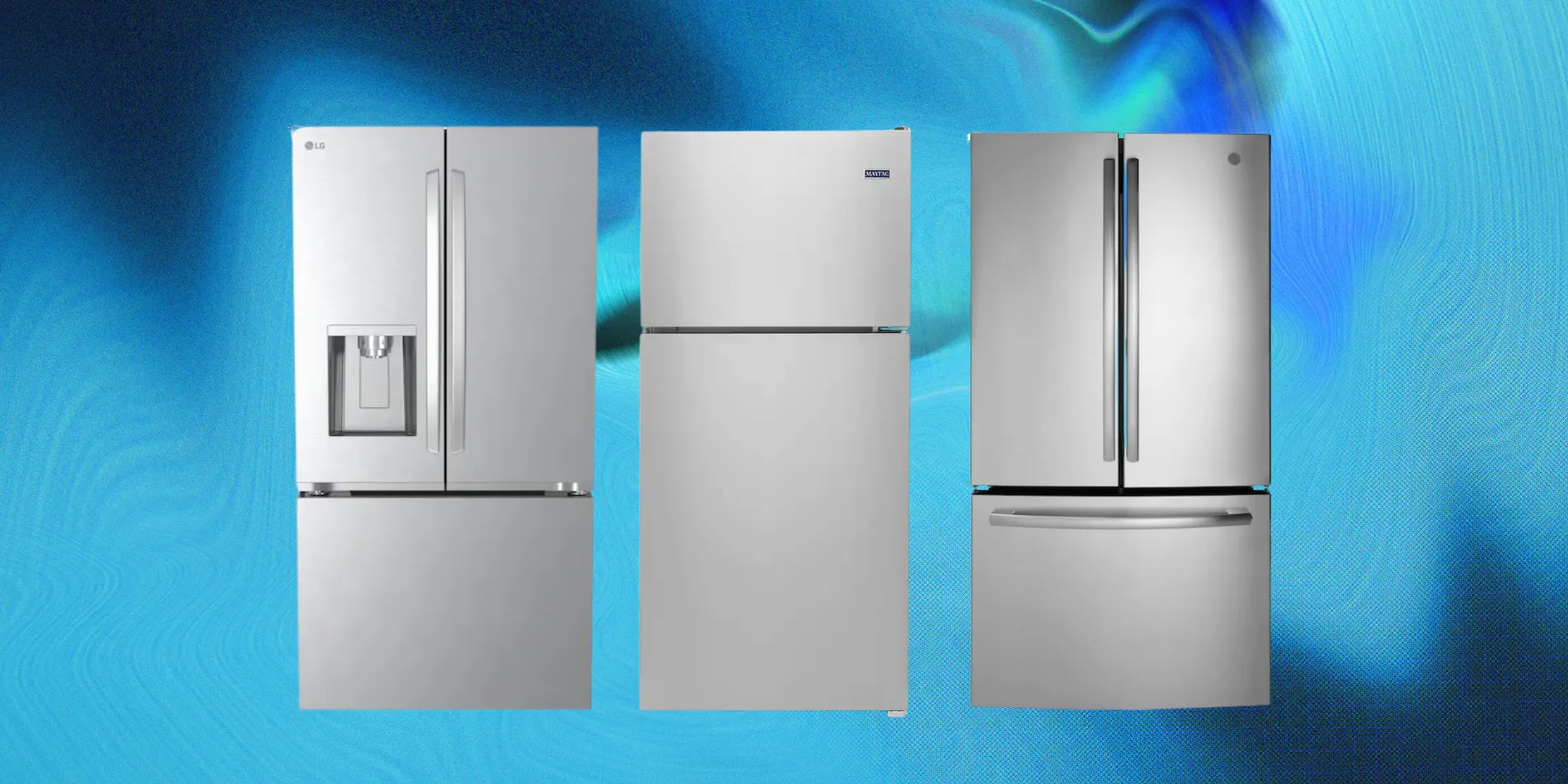
The newest crop of buzzy home finds spans categories that don’t normally sit side by side—portable beach gear, refrigerators, cordless lamps, hidden-storage decor, and layered window treatments—but they all point to the same buyer question: which upgrades actually improve the way you organize and use your space? Some are impulse-price easy. Others are major investments. All of them deserve a more practical comparison than a pretty product shot and a few vague promises.
The real shift: storage is getting stealthier, prettier, and more mobile
For years, “storage” mostly meant bins, baskets, and shelving. Useful, yes. Exciting? Not really. What’s changed is the rise of products that blend storage, portability, and design in one object. A picture frame can hide household essentials. A lamp can move room to room without a cord dictating your layout. Even a beach-day setup now leans into fewer, smarter pieces that pack more efficiently.
At the same time, big appliances are being judged by a similar standard. Refrigerators are no longer just about keeping food cold; buyers care about layout, accessibility, ease of cleaning, and whether shelves and drawers help reduce waste. That’s organization, too—just on a larger scale.
If you’re deciding where to spend, start with this rule: buy the product that solves a recurring friction point, not the one that merely photographs well.
Side-by-side comparison: which type of home upgrade delivers the most value?
| Product Type | Primary Benefit | Best For | Storage/Organization Value | Design Impact | Portability | Typical Spend Level | Main Trade-Off |
|---|---|---|---|---|---|---|---|
| Beach tote/towel/packable accessory set | Streamlines day-trip packing | Families, apartment dwellers, frequent beach or park users | Medium | Medium to High | High | Low to Medium | Seasonal use for some households |
| Refrigerator | Improves food storage, visibility, and daily efficiency | Kitchens due for an upgrade, busy households | Very High | Medium to High | None | High | Expensive and space-dependent |
| Cordless portable lamp | Adds flexible light without wiring constraints | Renters, small-space homes, reading nooks, outdoor dining | Low | High | Very High | Low | Limited brightness/runtime versus hardwired lamps |
| Picture frame with hidden storage | Conceals visual clutter in plain sight | Entryways, living rooms, bathrooms, small homes | High for tiny essentials | High | Medium | Low to Medium | Small storage capacity |
| Double-dressed windows | Layers light control, privacy, and softness | Bedrooms, living rooms, design-forward spaces | Indirect but meaningful | Very High | None | Medium to High | Needs planning and can look bulky if done badly |
That table tells the story fast: if you need the biggest organizational payoff, a better refrigerator or hidden-storage decor wins. If you want the quickest visual upgrade with useful flexibility, the cordless lamp is the dark horse. And if your problem is chaotic outings or overstuffed grab-and-go gear, the new packable beach setup makes more sense than buying random pieces one at a time.
Best for daily function: refrigerators that organize as much as they cool
A refrigerator is the least glamorous item in this roundup, but it’s arguably the most important. Why? Because poor fridge layout creates repeat clutter: hidden leftovers, duplicate groceries, produce forgotten in deep drawers, and shelves that are technically spacious but practically awkward.
Lab-tested models and large consumer surveys tend to reward the same features again and again:
- Consistent temperature control, because food lasts longer when the unit isn’t fluctuating.
- Crisper drawers that actually maintain humidity, which helps reduce produce waste.
- Adjustable shelving, especially for households that store tall bottles, meal-prep containers, or party platters.
- Easy-to-clean finishes and interiors, because sticky shelves are where good intentions go to die.
- Logical door storage, so condiments and drinks don’t compete with essentials.
If you’re shopping, skip the trap of comparing only cubic feet. A fridge with a clever interior often outperforms a larger but poorly divided model in real life. Consumers notice this quickly: the best refrigerators don’t just preserve food well; they make it easier to see what you own and use it before it expires.
Here’s the expert tip most buyers overlook: measure your most annoying food items before you buy. Gallon pitchers, pizza boxes, sheet cakes, bulk yogurt tubs, meal-prep containers—these are the pieces that reveal whether a fridge will help or frustrate you. A beautiful finish won’t matter if your weekly staples never fit where you need them.
And if the rest of your kitchen storage is working against you, pairing a fridge upgrade with simple drawer organizers can dramatically improve the flow between prep, cooking, and cleanup.
Best small-space storage trick: the picture frame that hides household essentials
This is the kind of product that sounds gimmicky until you picture where it actually works. A decorative frame with concealed storage is not meant to replace a cabinet. It’s meant to absorb the ugly little items that visually pollute a room: spare keys, remote controls, charging cables, stamps, dog-walking supplies, backup batteries, even bathroom necessities you don’t want sitting out.
That’s what makes it smart. It addresses visual clutter, which is often the most stressful clutter of all.
In a small entryway, hidden storage beats another tray that just displays your mess more neatly. In a guest bathroom, it keeps practical items accessible without advertising them. In a living room, it can handle the small stuff that usually ends up migrating across every flat surface.
Where a hidden-storage frame works best
- Entryway: keys, sunglasses, spare cash, stamps
- Bathroom: personal care items, backup toiletries
- Living room: remotes, charging cords, matches
- Bedroom: jewelry, note cards, small keepsakes
The limitation is obvious: capacity. You’re not hiding a mountain of stuff in there. But that’s also its strength. It forces a tighter edit and keeps only the essentials close at hand.
Need a companion strategy? Pair tiny hidden decor storage with larger-scale closet organizers elsewhere in the home so your visible rooms stay streamlined while bulkier items live out of sight.
Best low-commitment upgrade: a cordless portable lamp under $20
Some purchases earn their keep because they solve a layout problem you’ve been tolerating for too long. The cordless portable lamp falls squarely into that category. No outlet nearby? No problem. Want a softer glow on a bookshelf, dining table, patio bistro set, or bedside stack of books? Move it there.
The reason these lamps are catching attention isn’t just price. It’s freedom. Cords force furniture placement. Portable lighting gives it back to you.
In design terms, that means you can make underused corners feel intentional. In practical terms, it means a rental or awkward room can get functional task or ambient light without an electrician, a long extension cord, or a visual tangle of wires.
Who should buy one first?
- Renters who can’t add hardwired sconces
- Small-space dwellers who need multi-use lighting
- People who entertain and want portable mood lighting
- Anyone with dark shelves or dead corners that need life
The caveat: low-cost cordless lamps can trade brightness and battery life for affordability. If you need serious reading light for hours every night, check runtime and charging method before you click buy. But if your goal is flexible atmosphere and occasional utility, this category punches above its weight.
Buyer rule: Portable lamps are best treated as “light where you need it now,” not as a replacement for every permanent fixture in the room.
Best for grab-and-go organization: packable beach essentials that reduce chaos
Beach-day products may sound niche, but the appeal is broader than summer travel. The real value is in compact, multitasking design: items that carry, dry, shield, or store better than the bulky versions you already own. If you live in an apartment, have kids, or regularly head to parks, pools, or weekend outings, streamlined soft goods can cut down on that maddening pre-trip scramble.
What separates a smart packable product from an overhyped one? Three things:
- It combines jobs—like carrying and drying, or protecting and packing.
- It reduces bulk when stored at home.
- It’s easy to clean after use, especially when sand, sunscreen, or damp fabric are involved.
This matters more than people admit. Seasonal gear often becomes off-season clutter. If a beach tote collapses neatly, a towel dries fast, or an accessory packs flatter than your old version, it improves your home storage long after the outing is over.
For households already battling overflow, off-season containment matters. A low-profile bin or under bed storage with wheels can keep beach, picnic, and travel gear accessible without sacrificing precious closet space.
Best style-led investment: double-dressed windows that work harder than blinds alone
Window treatments usually get filed under decoration, but layered window dressing has a practical edge that organization-minded homeowners appreciate. Combining two treatments—often a shade plus drapery, or sheer panels plus heavier curtains—gives you finer control over privacy, glare, insulation, and softness. And when a room is visually calmer, it often feels less cluttered too.
That’s the hidden reason this look reads expensive: it solves multiple problems at once.
A bare window can make a room feel unfinished. A single heavy curtain can feel flat or overly dominant. Two coordinated layers create depth and flexibility. Need filtered light in the afternoon but privacy at night? That’s exactly what layering does best.
Three combinations that usually work
- Roman shade + full drapery: tailored and polished, ideal for living rooms and bedrooms
- Sheer panel + blackout curtain: practical for sleep, softness, and daytime glow
- Woven shade + linen drape: relaxed, textural, and especially good in coastal or casual interiors
The organizational benefit is subtle but real. Better light control can reduce the need for visual workarounds elsewhere—harsh glare that makes you avoid a reading chair, windows that expose too much and encourage constant blind-adjusting, or rooms that feel stark and unanchored. When the envelope of the room works better, the room itself tends to stay tidier.
Just don’t overdo the volume. In small rooms, choose slimmer hardware, lighter fabrics, and a tighter color story so the layering looks intentional rather than heavy.
So which one should you buy first?
If your pain point is food waste and kitchen frustration, prioritize the refrigerator. It’s the highest-cost option here, but also the one with the largest everyday payoff.
If your surfaces are full of little ugly necessities, the hidden-storage picture frame is the cleverest low-profile fix.
If your rooms feel rigid or underlit, the cordless lamp gives you immediate flexibility for the least money.
If your outings are chaotic and your seasonal gear is bulky, invest in better packable essentials.
If your room looks finished everywhere except the windows, layered treatments may deliver the biggest design transformation.
The smarter way to shop isn’t to ask which product is trending. It’s to ask which one removes the annoyance you encounter at least three times a week. That’s the buy that will feel useful six months from now, not just exciting on delivery day.
And that’s really where stylish home organization is heading: fewer single-purpose items, more products that hide, move, layer, and adapt. The best buys aren’t just beautiful. They earn their square footage.