You do not need another random tool deal cluttering the garage floor. You need the right tool, on the right battery platform, at the right discount, and ideally one that solves an actual home-organization problem instead of becoming one. That is exactly why the current wave of Ryobi markdowns at Home Depot matters: some of these spring promotions are basic impulse bait, while others are smart buys that can help you build a cleaner, more functional storage and workshop setup for less.
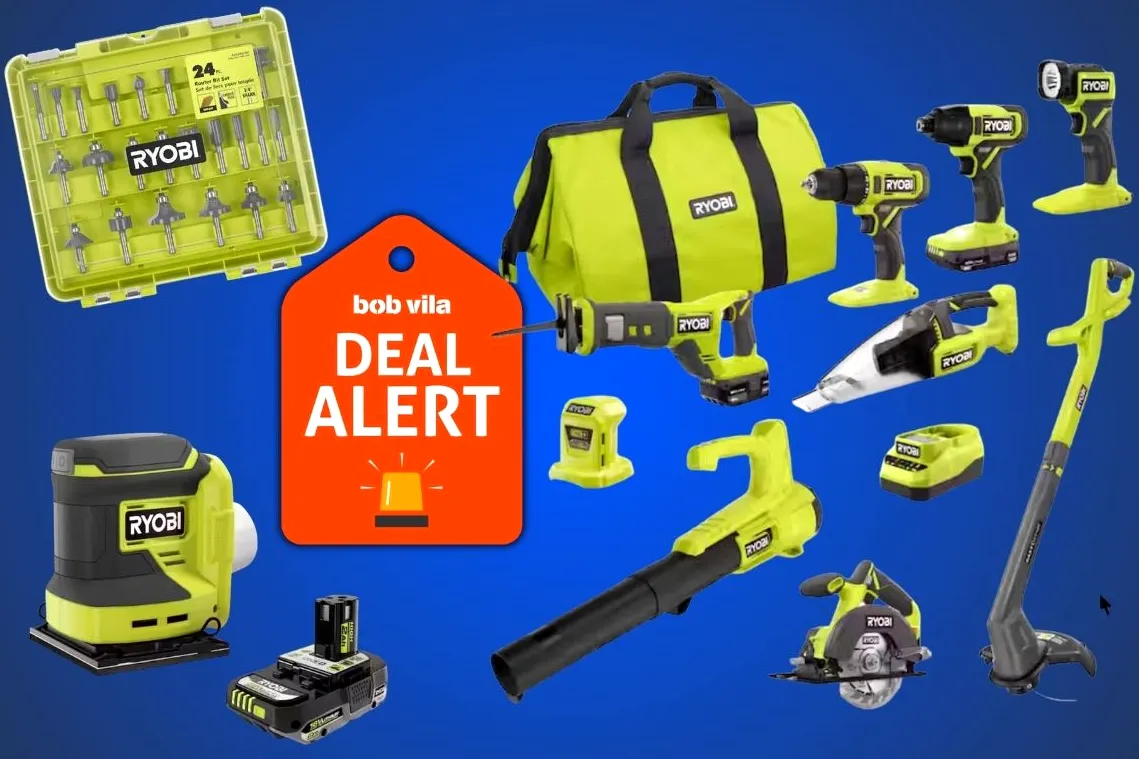
The bigger story is not just that prices are down. It is that Ryobi’s broad battery ecosystem makes comparison shopping more strategic than usual. If one battery can power your drill, sander, circular saw, inflator, and shop gear, every purchase changes the value of the next one. For homeowners trying to organize a garage, refresh a mudroom bench, build closet add-ons, or tackle spring decluttering projects, that matters more than the flashy percentage-off label.
Why this sale matters for storage-minded homeowners
Plenty of tool sales look good on paper and make no sense in a real home. A six-tool combo kit can be a bargain and still be a terrible purchase if half the tools will sit in torn cardboard boxes for two years. The smart move is to buy based on your next three realistic projects.
Think about the kinds of organization jobs people actually do in spring:
- Installing garage shelving
- Building simple plywood storage cabinets
- Adding hooks, rails, and wall systems
- Sanding and repainting tired utility-room furniture
- Repairing fences, gates, and outdoor storage pieces
- Assembling closet inserts and drawer units
That project list points you toward a short list of tool categories: drill/driver sets, circular saws, multi-tools, sanders, nailers, and carefully chosen combo kits. Everything else is secondary unless you already have a solid core setup.
The Ryobi categories that deserve a closer look
The most useful sale items appear to span drilling and driving, cutting tools, sanding and finishing, nailers and staplers, combo kits, specialty tools, shop gear, and accessories. Discounts reportedly reach as high as 60% in some cases, which sounds dramatic, but percentage savings only matter if the base tool fills a real gap in your setup.
Here is the comparison most homeowners actually need.
| Tool Category | Best For | Why It Helps With Home Organization | Who Should Buy | Skip If |
|---|---|---|---|---|
| Drill/Driver Kits | Anchoring shelves, assembling cabinets, basic repairs | The foundation for nearly every storage project | First-time buyers, renters with light DIY needs, homeowners upgrading old tools | You already own a reliable cordless drill on the same battery platform |
| Impact Drivers | Driving long screws, tougher framing and bracket work | Speeds up heavy-duty garage and shed installs | Anyone building wall-mounted systems or wood framing | Your projects are limited to flat-pack furniture and light assembly |
| Circular Saws | Cutting plywood and dimensional lumber | Essential for custom shelves, bench tops, and cabinet carcasses | DIYers making built-ins or garage storage from sheet goods | You only buy pre-cut boards or avoid woodworking altogether |
| Multi-Tools | Flush cuts, trim adjustments, awkward detail work | Great for retrofit organization jobs in tight spaces | Homeowners updating closets, mudrooms, and older homes | You need fast, straight cuts more often than detail cuts |
| Sanders | Refinishing furniture, smoothing patched surfaces | Turns worn storage pieces into polished interior-friendly furniture | Anyone repainting cabinets, benches, or secondhand finds | You rarely refinish or paint wood surfaces |
| Nailers/Staplers | Trim, backing panels, light wood assembly | Helpful for cleaner, faster finishing on storage builds | Frequent DIYers doing trim-heavy projects | You only need occasional repairs and do not want specialty tools |
| Combo Kits | Building a tool collection quickly | Can create a full garage-ready setup for less | New homeowners or anyone starting from zero | The kit includes tools you will never use |
| Shop/Jobsite Gear | Cleanup, lighting, workspace support | Improves function and keeps renovation mess under control | Anyone working in dim, dusty garages or basements | Your core cutting and drilling needs are not covered yet |
Best Ryobi deal type for each kind of buyer
If you are building your first garage tool setup
Start with a combo kit only if it includes a drill/driver, impact driver, at least one battery with decent capacity, and a charger. The battery platform is the real asset. Ryobi’s appeal has long been its huge ecosystem, so your first purchase should unlock future flexibility, not just deliver a low sticker price.
The trap? Buying a giant kit because the discount looks unbeatable, then realizing the included tools are underpowered for your actual projects or simply irrelevant. If your spring plan is shelving, cabinets, and workshop cleanup, a compact but capable kit beats a bloated one every time.
If you already own Ryobi batteries
This is where the sale can get genuinely compelling. Bare tools often deliver the best value for people already inside the system. Instead of paying again for extra chargers and low-capacity batteries you do not need, you can fill the exact gaps in your setup.
For most organized-home projects, the smartest bare-tool upgrades are:
- A circular saw for custom cuts
- An orbital sander for refinishing
- A multi-tool for awkward retrofit work
- A finish nailer if you do frequent trim or built-ins
If your shelves, bins, and hooks are installed but the room still looks rough, a sander can be the hidden hero. It is the difference between a storage bench that looks temporary and one that looks intentional.
If you are mostly doing light home organization projects
Buy a drill/driver kit and stop there unless a second tool solves a clear problem. You probably do not need a specialty grinder or a large construction-focused kit. The strongest purchase is the one you will reach for repeatedly, not the one with the biggest red sale tag.
Ask yourself one blunt question: will this tool help me finish a project in the next 60 days? If the answer is no, move on.
Where interior design meets tool buying
This is the part many deal roundups miss. Tools are not just for construction; they shape how finished spaces look and feel. A well-bought drill or sander can help you create storage that feels custom instead of improvised. That matters, especially as design trends continue leaning toward warm minimalism, concealed storage, and built-in-looking utility spaces.
Even ultra-luxury design is making that point in its own way. New high-end residential launches are leaning hard into architecture that feels integrated with place, not slapped together for show. You may not be designing a canyon villa on nine acres, but the lesson scales down beautifully: the best spaces feel deliberate. Your mudroom cabinet, closet insert, or garage wall system should look like it belongs there.
That is why the best Ryobi buy is often the tool that improves finish quality, not just raw speed. A sander, nailer, or multi-tool can elevate the end result in ways a bargain basement tool pile never will.
The smartest spring tool pairings for decluttering projects
Pairing 1: Drill/driver + circular saw
This is the best duo for anyone building simple garage shelving, utility-room cabinets, or basement storage platforms. The circular saw handles plywood and framing lumber; the drill assembles everything. If you only want to buy two core tools during the sale, make it these.
Pairing 2: Drill/driver + sander
Perfect if your style leans more interior than workshop. This pairing lets you assemble storage and then refinish older pieces so they work with the rest of your home. It is especially useful for transforming thrifted furniture into entryway, closet, or bedroom storage.
💡 Related Resource: If you are planning a closet upgrade, a well-designed drawer for wardrobe system can make better use of vertical space than adding another shelf that turns into a pile zone.
Pairing 3: Impact driver + multi-tool
This combination is for the person tackling retrofit jobs in older homes. Long screws, weird corners, trim notches, flush cuts around existing cabinetry? Suddenly the project gets much easier. Not glamorous, but incredibly effective.
What to ignore, even at a steep discount
Not every marked-down tool deserves a place in your garage. Deep discounts can hide three common mistakes:
- Buying duplicate function. A second drill may be useful, but not if you still lack a saw or sander that would expand what you can actually build.
- Buying battery clutter. Too many low-capacity batteries and chargers create their own storage mess. One or two solid batteries beat a drawer full of mediocre extras.
- Buying for fantasy projects. If you have not built furniture in five years, this is not the moment to buy niche tools because they are 50% off.
That last point is the one most people hate hearing. Sales trigger aspirational shopping. But home organization works best when your purchases reduce friction instead of adding inventory.
A practical way to compare Ryobi sale picks before you buy
Use this simple filter before you add anything to cart:
- Project fit: Name the exact project the tool will help complete.
- Battery fit: Confirm whether it works with batteries you already own.
- Storage fit: Decide where the tool will live when not in use.
- Frequency fit: Estimate how often you will use it over the next year.
- Finish fit: Ask whether it improves the look of the final result.
If a tool passes four out of five, it is probably a strong buy. If it only passes one or two, the deal is not really a deal for you.
The best Ryobi sale choices for most homes
If you want the shortest version of this buyer’s guide, here it is. For most homeowners, the best-value Ryobi purchases during a spring sale are:
- A drill/driver kit if you are starting from scratch
- A bare-tool circular saw if you already own batteries
- An orbital sander if you want storage pieces to look more polished
- A carefully chosen combo kit if it replaces several missing essentials at once
The least essential buys for the average organized-home project are the ultra-specialized tools that sound exciting but solve rare problems. Save your budget for tools that help you build, mount, cut, smooth, and finish.
That is the real spring shopping win: not scoring the biggest markdown, but ending up with a tighter, more capable setup that helps you create storage you will actually use. Because the best garage upgrade is not a stack of unopened boxes. It is a space that works harder, looks better, and stays easier to maintain all year.