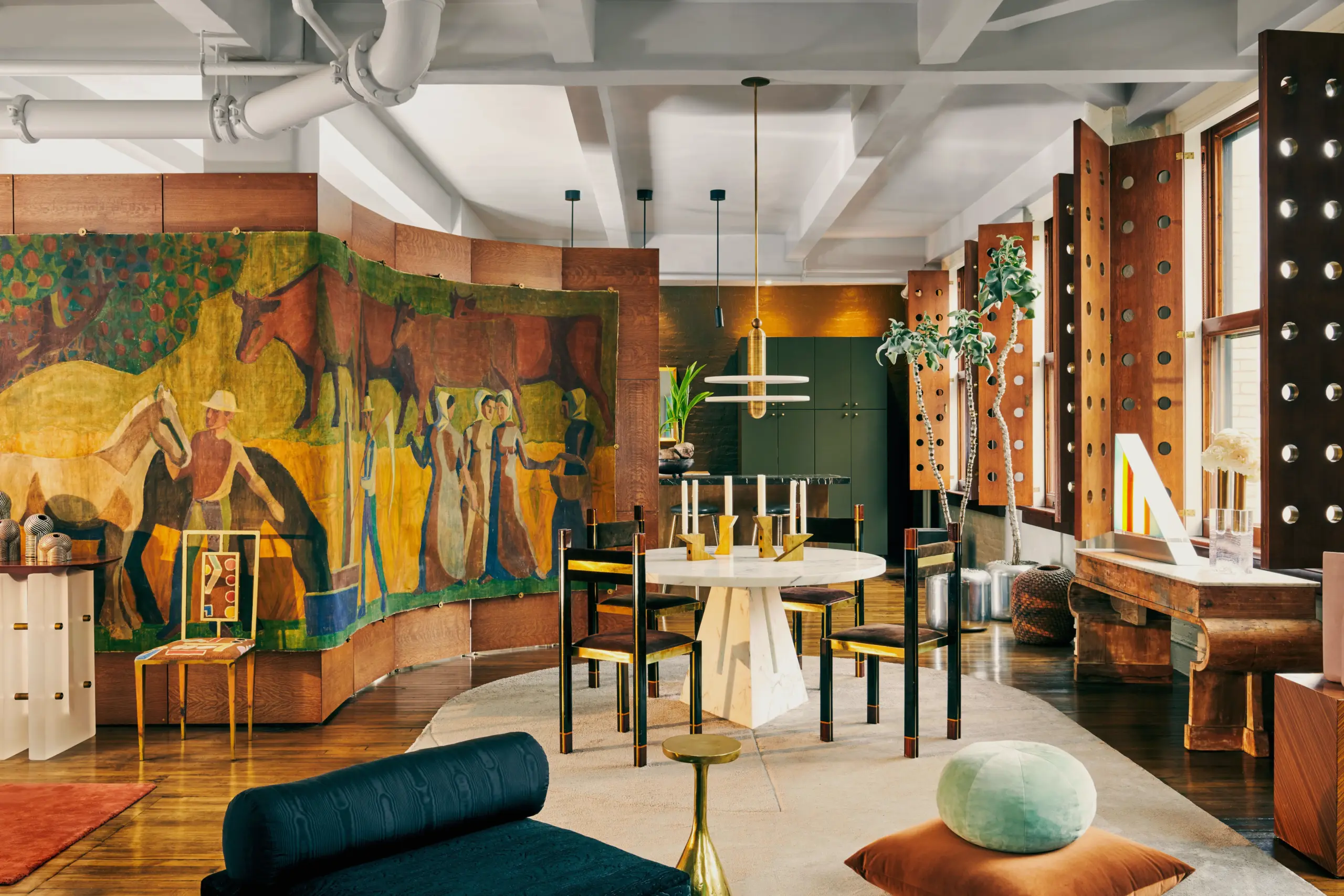
You finally clear the counters, step back, and… the kitchen still feels heavy. The culprit usually isn’t your stuff—it’s the wall of uppers swallowing the room. Counterintuitively, the 2026 cabinet trend isn’t “rip them all out.” It’s stop treating upper kitchen cabinets like wallpaper and start placing them only where they earn their keep.
The 2026 shift: upper cabinets are becoming selective, not default
The new designer logic is simple: continuous rows of upper cabinets can make a kitchen feel darker, tighter, and visually busier—even when you’ve organized everything perfectly. In 2026, more kitchens are using a deliberate mix: one “workhorse” storage zone stays closed and vertical, while other walls open up to windows, lighting, and focal-point materials.
Think of it as a storage budget. Instead of spreading cabinets across every available inch (the old default), designers are consolidating storage so the room can breathe. The cause-and-effect is straightforward: when you remove uppers in the spots that block light or sightlines, the kitchen feels wider; when you consolidate closed storage elsewhere, you don’t lose function.
Design takeaway: Removing upper cabinets works best when you’re not removing storage—you’re relocating it and editing what stays visible.
Where removing uppers actually works (and where it backfires)
You don’t need a full renovation to borrow this idea, but you do need to be strategic. The most successful “remove some but not all” kitchens follow a few predictable patterns.
Best place to remove: around windows
Upper cabinets around windows are notorious for blocking natural light and creating awkward, shallow corners. One of the clearest 2026 moves is to leave that window wall open and replace bulky uppers with slim floating shelves. The key detail: those shelves aren’t meant to hold everything. They’re for daily-use pieces—glassware, bowls, maybe a small stack of plates—so the wall stays airy instead of turning into a display of clutter.
Before vs after: cabinets framing a window feel like a boxed-in tunnel; open space plus a couple of shelves makes the window the focal point and the kitchen feels brighter.
Where it backfires: removing uppers without a storage “anchor”
The common mistake is pulling down cabinets and then… improvising. Suddenly your counters become the new cabinet, filled with canisters, small appliances, and the random stack of mail. If you remove uppers, you need an intentional replacement plan: a tall pantry unit, a concentrated cabinet wall, or a defined shelf zone with strict limits.
The smart compromise: one full cabinet wall + lighter surrounding walls
If you’re worried about losing storage (fair), here’s the 2026 compromise that keeps kitchens functional: group heavy storage into one solid wall. This is where tall cabinetry, integrated ovens, and closed storage live—stacked vertically, not scattered horizontally.
Why this matters: when you concentrate the “bulk” in one zone, the rest of the kitchen can stay visually quiet. It’s the same principle as good closet design: keep the high-volume storage contained so the room reads calmer. That’s also why investing in smart interior organization—like drawer organizers for cookware, utensils, and food wraps—pays off more when you have fewer cabinets overall. Every inch needs to work.
| Layout choice | What you gain | What you risk | Best for |
|---|---|---|---|
| Continuous upper cabinets (old default) | Maximum hidden storage | Heavier look, less light, more “visual noise” | Small kitchens that need every bit of closed storage |
| Remove uppers around windows + add floating shelves | More light, stronger focal point | Cluttered shelves if you overstore | Kitchens with good natural light and a window wall |
| One tall cabinet wall + fewer uppers elsewhere | Balanced look + strong storage “anchor” | Needs careful internal organization | Open-concept kitchens, households with lots of kitchen gear |
| Mixed closed cabinets + open cubbies (broken line) | Visual rhythm, easier access for daily items | Can look random if not repeated intentionally | Design-forward kitchens that still need some display storage |
Open shelving vs closed cabinets: the “daily-use rule” that keeps shelves from looking messy
Open shelving is the first thing people copy—and the first thing that can look chaotic. The successful approach described in current kitchen design is refreshingly strict: open shelves should carry only everyday pieces, not overflow.
Use this contrast to decide what belongs where:
- Open shelves: items you reach for daily and can keep visually uniform (matching glasses, white bowls, a small set of mugs).
- Closed cabinets: anything with loud packaging, mismatched plastics, specialty gadgets, and seasonal servingware.
Expert-level tip: If you want the shelf wall to feel calm, cap it. Literally. Decide the maximum number of “like items” you’ll display (example: 8 glasses, 6 bowls, 4 mugs). When you bring in a new set, an old set has to go. This one rule prevents the slow creep from “styled” to “storage.”
The small upgrade that makes fewer cabinets feel like more: a $6 bamboo organizer
Here’s the part nobody talks about when they romanticize open kitchens: once you remove some uppers, your lower cabinets have to perform. That’s where a simple, low-cost insert can do more than a full declutter weekend.
A minimalist bamboo dish/plate organizer priced around $6 has been making the rounds as a non-toxic, no-fuss way to stop the dreaded “plate avalanche” in base cabinets. The win isn’t aesthetic—it’s mechanical. It changes plates from a stacked pile (harder to grab, easier to chip) into an organized system you can access like files.
Comparison that matters: stacking plates saves vertical space but costs you daily friction; a divider-style organizer uses a bit more room but prevents micro-messes (scratches, toppled stacks, re-stacking). Pair it with drawer dividers for utensils and tools, and suddenly your lower storage feels twice as usable—especially in a kitchen with fewer uppers.
When style replaces storage: strong color, sculptural hoods, and the “visual weight” equation
Another 2026 reality: removing cabinets only looks intentional if something else takes their place visually. Some kitchens keep a few uppers but rely on bold cabinet color and a sculptural range hood to anchor the wall. The point isn’t to decorate for decoration’s sake—it’s to avoid the “unfinished gap” problem.
That same idea is showing up in product choices too. If you’re keeping counters clearer and reducing upper storage, you’ll likely keep fewer appliances out. But the appliances you do keep become part of the visual story. That’s why a headline-making launch like a new Amazon kitchen line from Martha Stewart—and a $149 stand mixer from that collection trending toward sell-out—matters beyond celebrity buzz. A stand mixer is big. It claims counter territory. In a kitchen with fewer uppers, you either:
- Commit to one attractive, frequently used appliance that earns its footprint, or
- Hide appliances ruthlessly so the lighter walls actually feel light.
Want the “open” look without sacrificing function? Store small appliances in a designated zone (appliance garage, tall cabinet shelf, or one base cabinet with pull-out) so your counters don’t become your new upper cabinets.
Make it look designed (not half-finished): photo-styling rules you can steal
If you’ve ever taken a photo of your “organized” kitchen and wondered why it still looks off, you’re not imagining things. Professional interior photography and styling relies on a few deceptively practical rules that translate perfectly to real life:
- Edit what’s visible: the camera (and your eye) exaggerates clutter. If your shelves are open, reduce the number of categories on display.
- Create clear zones: one area should do the heavy lifting (like that full cabinet wall). The rest should read as intentional negative space.
- Refine tiny details: crooked towels, mismatched containers, and uneven stacks become “noise” fast—especially with open shelving.
This is also where organizing adjacent spaces helps the kitchen feel calmer. If your kitchen is open-concept, the clutter often migrates from a nearby drop zone. Getting that under control with closet organizers (for coats, bags, and household overflow) can indirectly make your kitchen feel like it gained storage—because it stops becoming the default landing pad.
What you should do next: a realistic plan for removing (some) uppers
If you’re tempted by the 2026 look, don’t start with a demolition fantasy. Start with a decision framework.
- Identify your “must-hide” items. If you have lots of packaging, plastics, or mismatched pieces, you’ll need more closed storage.
- Pick one wall to work hard. Aim for a tall cabinet/pantry zone or a concentrated bank of cabinets that can absorb what you remove elsewhere.
- Choose the best spot to lighten. Around windows is the safest bet because the payoff (light) is immediate.
- Test open shelving before committing. Clear an upper cabinet, style it like a shelf (daily-use items only), and see if your household can maintain it for two weeks.
- Upgrade the inside of cabinets first. A $6 bamboo plate organizer is a great example of “cheap function” that makes a cabinet reduction possible. If your base cabinets are chaotic, fewer uppers will feel like a mistake.
Avoid this common mistake: removing uppers and then buying more countertop containers to compensate. That trade is almost always a net loss for visual calm.
FAQ
Should I remove upper cabinets in a small kitchen?
Sometimes—but only partially. In a small kitchen, you typically need closed storage, so the better move is to remove uppers only where they block light (often around a window) and keep a strong cabinet wall elsewhere.
Is open shelving actually practical for everyday kitchens?
It can be, if you limit it to daily-use items and keep the categories tight (for example: glasses + bowls only). If your household tends to “park” random items on open surfaces, closed cabinets will feel easier to maintain.
What’s the quickest way to make lower cabinets work harder if I remove uppers?
Add internal structure: plate organizers, vertical dividers, and utensil separators. Converting stacks into “file-style” storage reduces breakage and makes retrieval faster, which matters more when you’re relying on fewer cabinets.
The bigger question isn’t whether upper kitchen cabinets are “out” in 2026. It’s whether your kitchen is organized around how you actually live—or around a layout default that no longer serves the space. If you removed just one run of uppers tomorrow, would your kitchen feel freer… or would your counters instantly fill the gap?