You can spot the difference immediately: one coastal-looking room feels airy and expensive, while another feels like a beach shop exploded near the sofa. The shift happening now in Cape Cod interior design is less about seashell decor and more about disciplined storage, lighter materials, and a few surprisingly practical upgrades that make everyday rooms easier to live in.
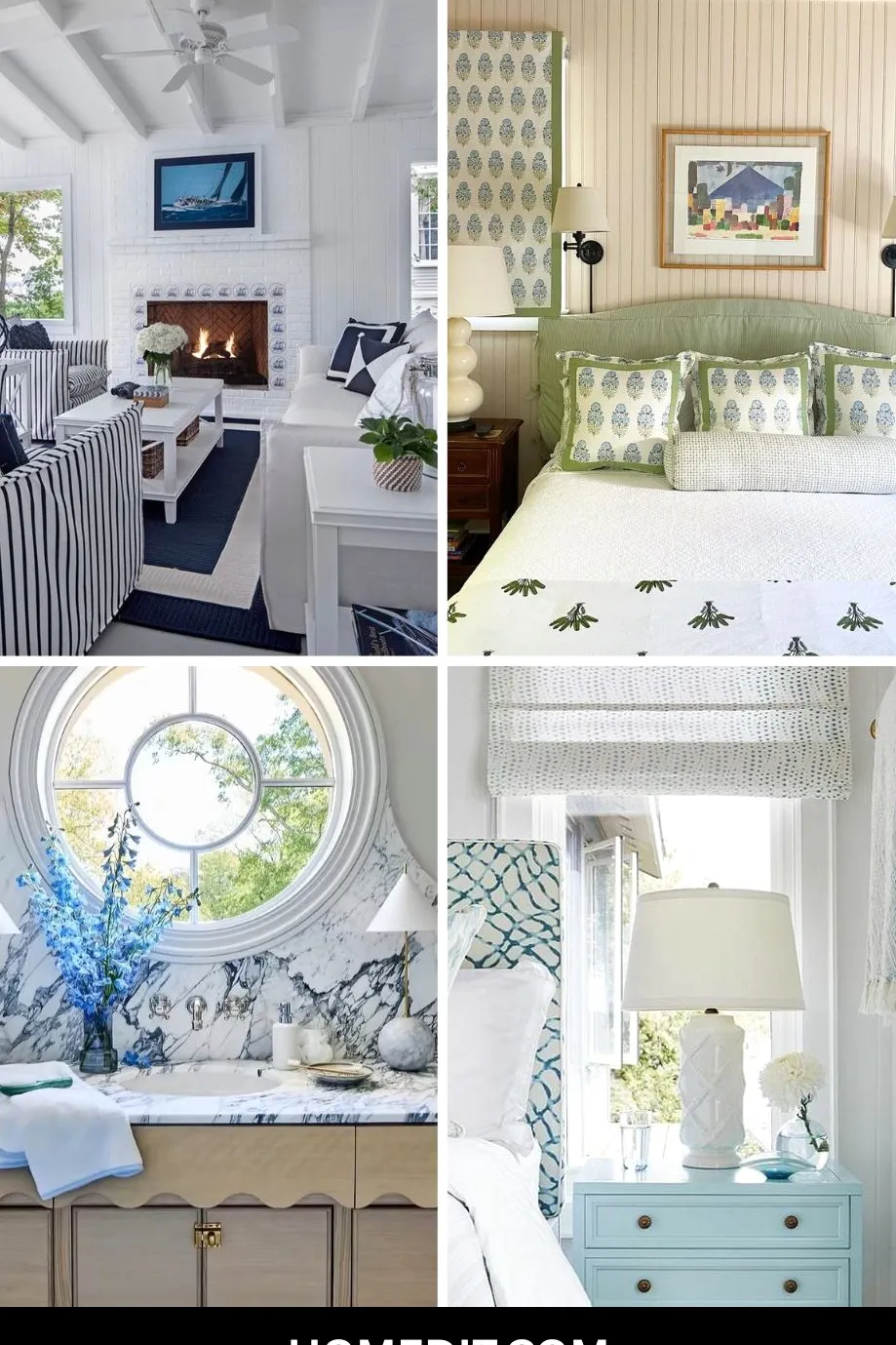
That matters if your home is already battling the usual clutter magnets: baskets with no purpose, countertops crowded by appliances, and living rooms that look calm only when nobody is actually using them. The newest Cape Cod-inspired spaces are solving that problem by pairing soft coastal style with hidden function. And yes, even a viral kitchen DIY is part of the story.
The trend line: softer coastal, less themed, more useful
The broad design move is clear. Cape Cod interiors are drifting away from obvious nautical styling and toward a cleaner formula built around light, texture, and practical storage. Think:
- White or off-white walls that bounce light instead of competing with furniture
- Warm wood pieces that ground the room without making it heavy
- Woven textures like wicker, rattan, cane, and seagrass used as structure, not filler
- Soft blue accents that nod to water and sky without dominating the palette
- Built-in or disguised storage that keeps surfaces visually quiet
The real story is that these homes are being edited harder. Decorative excess is out. Materials are doing more of the work. That is why the rooms feel finished from the start rather than endlessly accessorized.
Translation for your own home: if you want that calm Cape Cod look, buying more coastal decor is usually the wrong move. Removing visual noise and upgrading storage is the faster path.
Why this look is landing right now
There is a reason this style is gaining traction beyond actual beach towns. It solves three current homeowner frustrations at once:
- People want brightness without the coldness of all-minimal interiors
- They want storage that does not look bulky or overly utilitarian
- They want rooms that photograph well but still survive daily life
Cape Cod design answers all three because it relies on tactile layers instead of lots of color contrast. A woven basket can hide throws, toys, or gardening gear. A raw wood table brings weight to a pale room. Window-heavy bedrooms feel bigger because the palette is not fighting the view. It is less about decorating each corner and more about giving every element a job.
The quick-hit changes designers and DIYers are leaning into
1. Wicker is back, but now it has to earn its footprint
Wicker used to be treated like decorative coastal shorthand. Now it is being used more strategically as storage and texture in one move. That distinction matters.
- Large lidded baskets are replacing random bins in living rooms
- Wicker-front cabinets soften hard kitchen lines
- Storage ottomans and benches keep textiles out of sight while maintaining the relaxed look
If your wicker piece cannot hide clutter, anchor a corner, or add meaningful texture, it is probably just taking up space.
2. White rooms are getting warmer, not emptier
The newer Cape Cod palette is not stark gallery white. It is layered white: creamy upholstery, washed woods, linen drapery, subtle paneling, matte finishes. That tonal variation prevents a room from looking flat.
- Best pairing: warm oak, driftwood, or honey-toned wood against white textiles
- What to avoid: bright-blue overload, glossy finishes, and sharp black contrast if you want a softer coastal feel
- Why it works: low-contrast rooms read as calmer, which makes clutter stand out faster and encourages better editing
That last point is more important than it sounds. A visually quiet room forces you to be choosier about what stays out in the open.
3. The kitchen hack people keep calling a game changer actually fits this trend
One of the most talked-about quick DIYs right now is a built-in look for the refrigerator using magnetic trim. It is popular for obvious reasons: the project is fast, comparatively inexpensive, and it makes a standard appliance feel more integrated with surrounding cabinetry.
Why does that matter in a Cape Cod-style home? Because integrated lines are part of the appeal. The look depends on flow, not interruption. When a big stainless or plain fridge visually juts out, it can break the softness of the whole room.
- The appeal: a more custom-looking kitchen without a full renovation
- The practical gain: cleaner sightlines in open-plan spaces
- The budget angle: achievable in an afternoon rather than a multi-week remodel
Expert tip: if you try a fridge trim hack, match the trim tone to nearby cabinetry or wall paneling rather than making it a feature. In this style, the best storage and design tricks are the ones you barely notice.
Where storage is quietly driving the whole aesthetic
The prettiest Cape Cod interiors in circulation are not succeeding because they are full of charming accents. They are succeeding because clutter has been planned for before the room is styled.
Look closely and you will usually find one or more of these hidden systems:
- Bench seating with internal storage in breakfast nooks or mudroom-adjacent spaces
- Woven baskets tucked under consoles to absorb everyday overflow
- Bedroom layouts with fewer pieces so windows and light stay dominant
- Closed cabinetry in living spaces to hide media equipment and seasonal decor
- Layered entry storage so outdoor shoes, hats, and gardening items never drift into main rooms
That is why this trend aligns so well with home organization. It is not coastal style for style’s sake. It is visual calm built on concealed capacity.
If your bedroom is where clutter lands hardest, a few well-chosen closet organizers can do more for the room’s design than another decorative pillow ever will. The Cape Cod approach only works when the quiet surfaces are genuinely protected.
The overlooked crossover: gardening, mudrooms, and indoor clutter
At first glance, gift ideas for gardeners may seem unrelated to interior design. But they point to a real home-organizing issue: gardening hobbies create storage pressure fast. Gloves, twine, seed packets, hand tools, boots, and kneeling pads all need a landing zone somewhere. If they do not have one, they migrate inside.
That is exactly why functional coastal homes are leaning into storage pieces that feel natural rather than industrial. A woven basket in the right scale can hold gardening extras without disrupting a room. A bench near a back door can contain outdoor gear while still matching the interior. A soft, bright palette helps these utility zones feel intentional instead of chaotic.
- Best fix for gardening households: assign a single drop zone near the most-used exterior door
- Smart containers: lidded baskets for messy accessories, shallow trays for seed packets, washable bins for tools
- Design rule: choose storage materials already used elsewhere in the home so utility does not look bolted on
Do you really need a dedicated mudroom to pull this off? Not necessarily. You just need a repeatable storage logic.
How to borrow the trend without turning your house into a theme
The biggest mistake people make with coastal-inspired rooms is being too literal. Rope accents, anchors, shell motifs, and overt beach references can flatten the look quickly. The stronger move is to translate the feeling of the coast instead of the symbols of it.
Use this editing checklist
- Keep: natural fibers, pale upholstery, simple stripes, light woods, soft blues, subtle paneling
- Reduce: tiny decorative objects, overly distressed signs, novelty nautical pieces, visible countertop clutter
- Add: one grounding wood piece, one concealed storage solution per room, one textural layer like linen or woven grasscloth
Cause and effect matters here: when your room contains fewer high-contrast objects and fewer exposed small items, it instantly feels larger and cleaner. That is not just style psychology; it is visual load management. Your eye has fewer interruptions, so the space reads as calmer.
The rooms getting the biggest payoff
Living rooms
This is where wicker storage, soft upholstery, and a substantial wood coffee table make the strongest case. The combination creates a room that feels collected rather than staged.
- Priority swap: replace open, messy catchalls with matching baskets or cabinets
- Most effective texture mix: linen + wicker + matte wood
- One thing to skip: too many accent colors competing with the neutral base
Bedrooms
Bedrooms benefit from the window-forward, low-furniture side of the trend. Less furniture means less visual drag and more breathing room.
- Best update: simplify bedside storage and remove anything blocking natural light
- Hidden helper: under bed storage with wheels works especially well in coastal-style bedrooms because it preserves the clean perimeter of the room
- Design payoff: the room feels airy without losing actual storage capacity
Kitchens
Kitchens are where the design trend and the DIY trend overlap most clearly. Cleaner appliance lines, fewer objects on counters, and cabinetry that blends rather than shouts all support the Cape Cod direction.
- Fastest win: clear non-daily-use appliances off countertops
- Visual trick: repeat one accent material, like woven seating or pale wood, rather than mixing many finishes
- DIY worth watching: appliance-integration hacks that make builder-grade kitchens look more custom
What this trend gets right about real homes
Some design trends photograph beautifully and function terribly. This one has a better chance of sticking because it rewards restraint, flexible storage, and materials that wear well. It also meets a practical reality: people want calm rooms, but they still need places to hide the stuff of actual life.
The smartest version of Cape Cod interior design is not precious. It is bright, layered, and quietly efficient. A basket can be beautiful and useful. A bedroom can feel open and still hold extra blankets. A kitchen can look more custom without a full gut renovation.
If you want to try the trend, start with one question in each room: What is making this space feel busier than it needs to? Remove that friction first. Then add texture, not trinkets. That is the real update.