You can spend an hour scrubbing a shower curtain, rearranging a patio, or fussing over a tiny outdoor corner—and still miss the real upgrade. Often, the biggest change comes from choosing surfaces and setups that stay cleaner, dry faster, and ask less from you every week. That is exactly why low-maintenance container gardening is having a moment, and why small routine tweaks indoors matter more than dramatic weekend cleanups.
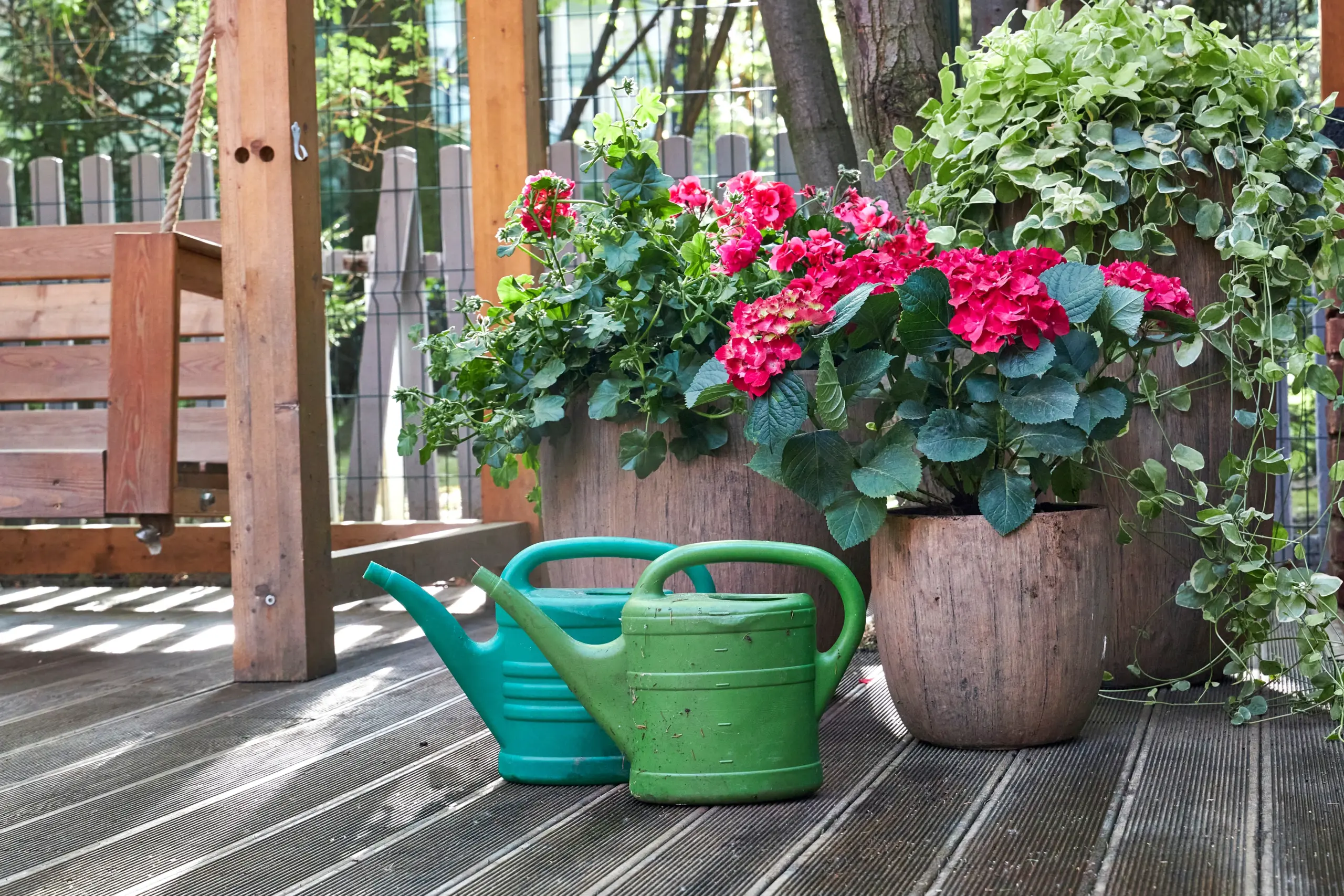
If your goal is a home that feels calmer without adding another exhausting task list, the smartest comparison is not fancy versus basic. It is high-maintenance beauty versus easy-care beauty. On one side: containers that refresh a balcony, patio, or entry without a full landscape project. On the other: moisture-prone bathroom zones that quietly create odors and buildup when neglected. Add in one more layer—compact trees and safe perching spots that make a yard feel alive—and a clearer buying decision emerges: choose items and plant combinations that work with your space, not against it.
This guide compares the most practical options for readers who want style, function, and less upkeep. If your home category is all about organization, that same logic applies outdoors too: every planter, curtain, and compact tree either reduces friction or creates it.
The comparison that matters: visual payoff vs ongoing upkeep
Container gardens are surging for a reason. They give renters, small-space homeowners, and even experienced gardeners more flexibility than in-ground planting. You can move them, regroup them, swap them seasonally, and style a patio like an outdoor room instead of committing to a permanent bed.
But not all outdoor upgrades perform equally well. Some give you color and softness with barely any extra effort. Others look good for one week, then start demanding deadheading, rewatering, or cleanup.
Here is the side-by-side breakdown.
| Upgrade Option | Best For | Main Benefit | Upkeep Level | Common Problem | Smartest Use Case |
|---|---|---|---|---|---|
| Pre-planned container combo | Patios, porches, balconies, entryways | Instant color and layered design | Low to moderate | Dry soil in hot weather | Small-space outdoor styling with seasonal flexibility |
| DIY mixed container planting | Gardeners who like customizing | Personalized look and plant variety | Moderate | Poor plant pairing or uneven growth | Design-focused outdoor spaces |
| Compact tree for perching and structure | Small yards and wildlife-friendly spaces | Vertical interest plus bird activity | Low once established | Wrong size or poor placement | Adding privacy, shape, and habitat in limited square footage |
| Hanging basket | Tiny patios and apartment balconies | Uses vertical space | Moderate to high | Dries out fast and can look tired quickly | Supplement to containers, not the only planting strategy |
| Shower curtain rinse habit | Bathrooms with lingering damp smell | Reduces film and odor before buildup starts | Very low | Does not fix heavy existing mildew | Preventive cleaning habit for moisture control |
Container combos vs single-specimen pots
A single plant in a pot can look elegant, but if you want the most impact for the least effort, a well-built combo container usually wins. Why? Because it does multiple jobs at once: color, texture, height, and softness. One container can make a front step feel finished or turn a plain patio corner into a destination.
The strongest combinations right now lean into contrast. Think bold foliage against airy trailing texture. Think one flower workhorse paired with one leafier color note and one soft filler. This is not just prettier—it is practical. A balanced combo hides gaps better as plants grow and recover from heat stress more gracefully than a lonely centerpiece plant.
What to buy if you want the easiest result
- Retailer-planted patio pots: Best for beginners. The guesswork is already handled.
- Three-part DIY combos: Best for style-minded gardeners who still want a manageable formula.
- Single evergreen or sculptural specimen: Best for very minimalist spaces, but less seasonal drama.
One especially effective formula includes a flowering anchor, colorful foliage, and a fine-textured spill plant. That gives you the layered look people associate with designer containers, without needing a landscape crew.
Which outdoor upgrade is actually easiest to maintain?
If you are comparing planters, baskets, and small trees, the answer depends on your biggest pain point. Is it watering? Rearranging? Seasonal refreshes? Or the fact that your outdoor space has to look polished from the street?
Pre-planted containers
These are hard to beat for convenience. They are especially useful if you want an outdoor room feel without rebuilding the whole yard. They also suit people with limited mobility because you do not have to kneel in the ground or manage a full garden bed.
Best choice for: homeowners who want a fast visual payoff and manageable maintenance.
Compact trees
A compact tree adds structure in a way flowers cannot. It creates a safe perch for hummingbirds and other small birds, introduces height, and makes even a small yard feel more intentional. That vertical layer matters. Without it, tiny spaces can look flat and temporary.
Best choice for: readers who want a long-term backbone plant with wildlife appeal.
Hanging baskets
Pretty? Yes. Forgiving? Not always. Hanging baskets tend to dry out faster because air circulates around the entire container. If you already forget to water, this is the option most likely to punish you.
Best choice for: decorative support planting, not your only greenery strategy.
The hidden lesson from the shower curtain trick
At first glance, rinsing a shower curtain after every use seems unrelated to patio design. It is not. The real principle is moisture management. In both bathrooms and container gardens, problems start when water lingers in the wrong way or disappears too fast.
In the bathroom, a quick rinse helps remove early soap and mineral residue before a tacky film forms. Spreading the curtain out afterward helps it dry faster, which reduces that damp smell that creeps in along the bottom edge.
Outside, container gardening has the opposite moisture challenge: soil often dries quickly, especially in sun-baked pots and hanging baskets. So the low-maintenance winner is not just the prettiest arrangement. It is the one matched to how much water you can realistically provide.
Cause and effect matters here. Bathrooms get funky when surfaces stay wet too long. Planters fail when roots stay bone dry or sit in soggy soil. The smartest home upgrade is the one designed around that reality.
Apply the same organizing mindset indoors
If you like systems that keep mess from piling up, small bathroom tools can do the same job visually. A few well-chosen drawer organizers can stop counters from turning into a daily clutter trap, which makes moisture-heavy spaces feel cleaner before you even deep clean them.
Best setup by space type
For a small balcony
Choose one statement container combo over several mismatched small pots. Add one hanging basket only if you can keep up with watering. A compact tree in a slim planter can work if your balcony has the load capacity and enough light, but most people do better with one lush mixed container and one vertical accent.
For a front porch
Symmetry works, but only if you can maintain it. Two matching pre-planted containers by the door create instant polish. If you want the space to feel softer and more lived-in, add a compact tree nearby rather than overfilling the porch with flowers. Too many containers can read as clutter, not charm.
For a small yard
This is where a compact tree earns its keep. It gives hummingbirds a place to perch, adds shape through multiple seasons, and helps the yard feel designed instead of scattered. Pair it with one or two large container combos rather than a dozen small pots. More pots means more watering, more visual noise, and more maintenance.
What to prioritize when buying container plants
Do not just shop by bloom color. That is how you end up with combinations that peak for a week and then collapse into a maintenance project. Instead, compare these four factors:
- Sun tolerance: Full-sun flowers in a shady corner will disappoint fast.
- Water needs: Plants with very different thirst levels rarely coexist gracefully in one pot.
- Growth habit: Mix upright, mounding, and trailing forms for balance.
- Foliage value: Flowers come and go; strong leaves keep the pot attractive longer.
An expert trick: if you want a container to look expensive, foliage contrast matters almost more than flower quantity. Deep burgundy or lime-toned leaves beside softer green textures create dimension that lasts beyond a bloom cycle.
The emotional side of home upkeep matters too
Homes are not just systems. They are memory containers. Anyone who has packed up a beloved house, tended a final garden bed, or wrapped kitchen dishes for the last time understands that the spaces around you hold emotional weight. That is another reason low-stress upkeep matters. When your home asks less from you, you get to enjoy it more.
Do you really want every beautiful corner to become another thing that needs rescuing by Sunday afternoon? Probably not. The best outdoor and bathroom choices are the ones that preserve the feeling of the space instead of constantly pulling you into maintenance mode.
That is also why visible storage matters in intimate rooms like bathrooms and dressing areas. If your counters are crowded, even a clean room feels unsettled. A simple acrylic makeup organizer can make daily essentials easier to access while keeping the room visually lighter.
The best low-maintenance combination for most homes
If you want one recommendation that will suit the widest range of readers, it is this:
- Choose one professionally styled or well-balanced container combo for color.
- Add one compact tree for height, structure, and bird-friendly perching.
- Skip overloading the space with small fussy pots.
- Inside, adopt one preventive moisture habit, like rinsing and spreading the shower curtain after use.
That mix delivers the strongest ratio of beauty to effort. You get immediate visual impact, longer-term structure, and fewer recurring cleanup problems.
The larger trend here is easy to spot: people want spaces that feel curated, flexible, and alive, but they do not want a full-scale renovation or a punishing maintenance routine. Container gardening fits that shift perfectly. So do preventive bathroom habits that stop grime before it starts.
If you are making a buying decision this season, compare every upgrade with one simple question: will this make my home easier to enjoy next week, or just prettier for two days? The smartest pick usually does both.