Category: Storage Tips

Practical storage tips, decluttering guides, and step-by-step tutorials for drawers, closets, desks, and vanities.

  • Best Cleaners and Care Moves for Hardwood Floors This Season

    Best Cleaners and Care Moves for Hardwood Floors This Season

    You can spend an entire Saturday tidying your home, fluff the sofa cushions, wipe the baseboards, and even trim the lavender by the back step—then one streaky pass across your wood floors makes the whole room look slightly off. That is the sneaky thing about hardwood: it doesn’t just reflect light, it reflects every cleaning mistake. And right now, as spring routines shift into summer traffic, the smartest floor-care strategy is not buying the harshest product or copying a celebrity-worthy California ranch aesthetic. It is understanding the difference between cleaning, protecting, and preserving the finish you actually have.

    Best Cleaners and Care Moves for Hardwood Floors This Season

    The real decision is not just which cleaner—it’s how your floor lives

    The strongest takeaway from recent product testing and seasonal home-care advice is simple: hardwood floor cleaning is a buyer decision wrapped inside a maintenance guide. People tend to shop for a bottle based on scent, shine promises, or whatever is on sale. But floors fail slowly, and usually for boring reasons—too much moisture, residue buildup, abrasive grit, or a cleaner that leaves behind a film that looks polished for a day and dull a week later. If your entryway gets hammered by shoes, your kitchen sees daily spills, or your living room opens to a sunlit patio, the “best” cleaner according to lab-style comparisons only becomes best if it matches that wear pattern.

    That is why the season matters. April and early summer bring more pollen, more open windows, more indoor-outdoor movement, and often more frequent sweeping. Fine debris acts like sandpaper underfoot. Add a heavy wet mop to the mix, and you are not refreshing your space—you are quietly stressing the finish. The same mindset gardeners use when tending lavender in spring applies here: small, well-timed maintenance pays off far better than dramatic rescue attempts once damage shows.

    Expert tip: The cleaner should do one job well—lift soil without leaving residue. If your floor looks shinier after every use, that can actually be a warning sign that product is building up rather than rinsing away cleanly.

    Why tested hardwood cleaners outperform “natural” DIY habits

    There is a reason lab-tested hardwood cleaners keep outperforming random homemade solutions in real homes. Hardwood finishes are engineered systems. Some are polyurethane-sealed, some are waxed, some are older and more vulnerable, and some are factory-finished with highly specific top layers. Vinegar-and-water mixes are still wildly popular because they feel inexpensive and “clean,” but acidity can be risky over time on certain finishes, and even when it does not visibly damage the floor, it often fails at the bigger goal: a clear, low-residue finish that keeps the boards looking crisp rather than cloudy.

    The better-performing cleaners in comparison testing usually share a few characteristics: they spread evenly, dry fast, remove grime without requiring repeated passes, and do not leave a sticky or hazy film. That matters more than clever marketing language. A cleaner that forces extra scrubbing also increases micro-abrasion because dirt gets pushed around longer. A cleaner that dries too slowly raises the moisture risk. A formula that smells powerful may feel satisfying, but fragrance is not performance.

    If you are trying to protect the visual calm of a well-organized room, floor clarity matters more than people realize. Hardwood is the background surface that makes storage pieces, rugs, and furniture look intentional. Even something as simple as setting up a drawer for wardrobe system in the bedroom will look more polished if the floor beneath it is clean without being over-glossed or smeary. The room reads as finished when the floor is quietly doing its job.

    The hidden factor: residue changes how your whole room looks

    Here is the part many homeowners miss: residue does not just affect cleaning frequency. It changes the look of your interior design. In bright rooms, especially those with the kind of warm, airy California-inspired style people love—light woods, linen, muted neutrals, simple ranch-house ease—residue shows up as drag marks, uneven sheen, and footprints that seem to reappear instantly. You assume the floor is dirty again, so you clean more often, which can make the problem worse if the product is the issue.

    That feedback loop is why tested cleaners matter. They reduce the need for re-cleaning because they leave less behind. Pair that with a dry microfiber dust pass several times a week, and you cut down the biggest enemy of hardwood longevity: grit. If you have pets, children, or a high-traffic kitchen, this single change often does more for long-term appearance than switching to a pricier mop system.

    Smart rule: For sealed hardwood, think “mist, not soak.” The pad should feel barely damp, never wet enough that water sits in seams or gathers along board edges.

    A better summer routine starts with less product, not more effort

    The most effective seasonal routine is surprisingly restrained. Start with dust removal, because wet cleaning over debris creates streaks and friction. Use a soft broom, vacuum designed for hard floors, or microfiber dust mop. Then spot-check the floor before you reach for cleaner. Is there actual buildup near the stove, entry, or dining area? Or are you chasing a uniform shine that hardwood was never meant to have? Real wood floors should look clean and softly reflective, not shellacked.

    This is where product choice and home organization overlap. If you reduce the clutter that collects near floor level—shoe piles at the door, baskets without lids, pet gear dumped in corners—you reduce dust traps and make quick dry-cleaning easier. The same logic applies inside storage zones. When small items are contained with drawer organizers, there is less overflow onto surfaces, and your cleaning routine stops turning into a full-room reset. Organized homes are easier to clean, but more importantly, they stay cleaner longer because dirt has fewer places to gather and migrate.

    A strong weekly plan looks like this in practice:

    • 2-4 times a week: Dry dust mop or vacuum with a hardwood-safe setting.
    • As needed: Spot-clean spills immediately, especially near sinks and pet bowls.
    • Once weekly or less: Use a tested hardwood cleaner sparingly on traffic lanes and visible soil.
    • Seasonally: Check pads, replace worn microfiber heads, and reassess whether your cleaner is leaving film.

    Notice what is missing? Buckets of water. Steam. Heavy soap. Those are the shortcuts that create the expensive problems.

    How to choose the right cleaner for your floor type and lifestyle

    If you are standing in the cleaning aisle wondering which formula to pick according to all the competing labels, use a simple filter. First, confirm your floor is sealed hardwood. If you are unsure, err on the side of caution and check the manufacturer guidance before using anything beyond a lightly damp microfiber system. Second, prioritize cleaners specifically labeled for hardwood rather than all-purpose floor products. Third, favor formulas known for low residue and easy drying over exaggerated “high gloss” claims.

    Then match the cleaner to your household reality. Busy family home? You want fast evaporation and reliable dirt lifting. Small apartment with lower traffic? A gentle, residue-free cleaner used less often may be enough. Older home with character floors? Be conservative and test in a discreet area. If your room gets strong direct sun, avoid anything that artificially boosts shine because it will reveal every overlap line. If your aesthetic leans warm and collected—think cottage touches like lavender at the window, natural textiles, and well-worn wood—you will usually prefer a clean matte-to-satin look rather than a glossy finish that reads synthetic.

    The big takeaway is refreshingly practical: buy the cleaner that removes grime cleanly, then use less of it than you think. Sweep more. Soak less. Organize the clutter that creates dust zones. And if your floors still look tired, do not automatically blame the wood—blame the routine. Most hardwood problems in otherwise beautiful homes start with good intentions and too much product.


  • The Layered Home Trend That Looks Richer and Stores Smarter

    The Layered Home Trend That Looks Richer and Stores Smarter

    The easiest way to make a room feel more expensive right now is not buying a giant statement sofa or repainting every wall. It is layering the pieces you already use every day—bedding, throws, rugs, benches, and even outdoor furniture—so they do double duty. The surprise is that this is not just a style move. It is becoming a storage and organization strategy too. If your bedroom feels flat, your patio looks like a scattering of unrelated chairs, or your living room still has that one lonely rug that never quite pulls the space together, the new design direction is clear: choose pieces that add softness, structure, and function at the same time.

    The Layered Home Trend That Looks Richer and Stores Smarter

    The shift away from one-purpose decor

    Several home trends are converging at once. Bedding is getting more romantic and vintage-looking, but shoppers are becoming more cautious about actual secondhand linens because of hygiene and pest concerns. Throws are no longer just winter extras; they are year-round styling tools in lighter seasonal colors. Rugs are trending more personal too, with shoppers mixing vintage-style finds and custom options instead of defaulting to one big-box neutral. Outdoors, the change is even more dramatic: furniture is being rethought as layout-building architecture rather than a set of separate objects.

    That is why built-in planters, hidden cooler tables, storage-minded benches, and corner seating arrangements are getting so much attention. They replace clutter with intention. Inside the home, the same logic applies. A ruched duvet, a quilted floral coverlet, and a patterned rug do more than make a room prettier—they visually organize the room by giving the bed, floor, and seating zones stronger definition. Good styling reduces visual noise. Great styling also reduces the number of extra things you need.

    “The most successful rooms now are not minimal in a cold way; they are edited. Every layer has a job, whether that is warmth, texture, zoning, or hidden storage.”

    Why vintage-inspired bedding is winning over actual thrifted linen

    If you love the look of heirloom bedding but hesitate at the idea of bringing home old sheets, you are not alone. Designers have long warned that thrifted bed linen can carry musty odors, degraded fibers, or in the worst cases, pests. That warning is pushing shoppers toward a smarter compromise: new bedding with vintage cues. Think floral quilting, scalloped edges, ruffles, washed cotton, ruched surfaces, and soft faded tones that mimic age without the risk.

    This matters from an organization perspective more than people realize. Bedding occupies a huge amount of visual real estate in a bedroom, often more than any other object. If your bed looks intentional, the whole room looks tidier—even before you organize a single drawer. That is cause and effect, not magic. Pattern and texture can disguise slight everyday rumpling, while layered neutrals and small-scale florals make a bed feel finished without needing six decorative pillows you have to throw on the floor every night. If you want the vintage mood without the maintenance burden, limit yourself to three core layers: fitted sheet, substantial duvet or coverlet, and one accent throw at the foot of the bed. Any more, and you risk creating laundry, not luxury.

    A practical rule designers use: if a top layer does not earn its place in either comfort or appearance, it is clutter. That same mindset works beyond the bed. The best closet organizers also follow this principle—every piece should either improve access, reduce mess, or make the space easier to maintain.

    “People often confuse abundance with comfort. Real comfort comes from layers you will actually use, not decorative excess that ends up living on a chair.”

    Outdoor furniture is starting to behave like storage

    The most useful home trend in this mix may be happening outside. Patio furniture for 2026 is moving away from isolated pieces and toward hybrid builds: benches with planter ends, side tables with hidden cooler inserts, corner seating with integrated surfaces, even pallet or cinder block designs that create clear boundaries in small yards. Why does this matter if you care about organization? Because outdoor spaces have historically been full of “temporary” objects—extra stools, random tables, loose pots, toy bins, drink tubs—that never quite find a permanent home.

    Smarter builds solve that. A bench with built-in planters eliminates the need for separate stands. A corner bench with a central table reduces the sprawl of movable furniture. A hidden cooler table removes the need for a bulky plastic chest sitting awkwardly beside your seating. The best layouts make a patio feel finished because the storage and the seating are integrated into one visual system. You are not just adding furniture; you are replacing loose pieces with anchored ones.

    The small-space lesson to steal indoors

    Even if you do not have a patio project planned, the principle is worth borrowing. Look around your home and ask: where am I using three separate objects when one smarter piece would do? An upholstered storage bench in an entry. A coffee table with concealed compartments. A bed with drawers instead of under-bed bins that migrate. A dining banquette that defines the room and hides seasonal linens. This is the same idea that makes compact outdoor furniture feel so current. It cuts visual drift.

    Color, softness, and structure are replacing flat minimalism

    Another reason this layered trend feels fresh is that it is not beige-on-beige sameness. Some of the strongest interiors gaining attention right now use color very deliberately, not as decoration but as spatial definition. A blue divider in an open-plan apartment, a red door framing a view, a yellow accent shaping how the eye moves—these choices create order without adding walls. Rugs and textiles can do the same thing in a more accessible way.

    A custom or vintage-style rug, for example, can separate a reading area from a dining zone in a small apartment far better than another shelving unit would. A spring throw in a lighter color can soften a dark chair and signal a seasonal reset without buying new furniture. This is why viral blankets and artisan rugs keep surfacing in design conversations: they are relatively low-commitment ways to change mood and improve coherence. One rug can anchor floating furniture. One blanket can make a sparse bed or sofa feel intentional. One textile decision can save you from adding a whole extra side table just to “fill” an empty corner that did not need furniture in the first place.

    If your home feels unfinished, resist the urge to shop for more categories of items. Start by improving the layers in the categories you already have. Flooring, bedding, and seating usually give the fastest return.

    How to build a layered room that stays organized

    The risk with any trend built on texture and collecting is obvious: layering can tip into clutter fast. So the winning formula is selective layering, not endless accessorizing. Use this filter when you shop or restyle:

    • Anchor first: choose one rug or one furniture arrangement that defines the zone.
    • Add one tactile bedding or throw upgrade: washed cotton, quilted floral, or a lightweight blanket with visible texture works better than a stack of flat basics.
    • Prioritize hidden utility: benches, tables, and seating should earn bonus points if they store, contain, or define space.
    • Keep the palette controlled: two to three main tones plus one accent is usually enough, especially if your textiles already bring pattern.
    • Edit the extras: if a pillow, side table, basket, or planter has no clear role, remove it for a week and see if you miss it.

    One expert-level trick: when you are mixing bedding, rugs, and throws, vary the scale of pattern rather than matching everything. A tiny floral sheet, a medium-scale rug motif, and a mostly solid throw with texture will feel collected instead of chaotic. Matching sets often flatten a room; varied layers give it depth while still reading organized.

    The bigger story here is not that homes are getting fancier. They are getting smarter. People still want softness, charm, and personality, but they also want pieces that solve something: a hygiene concern, a storage problem, a layout issue, a seasonal refresh. That is why vintage-inspired linens are outperforming risky thrifted ones, why hybrid outdoor furniture is replacing scattered patio pieces, and why rugs and blankets are being used as room-shaping tools rather than last-minute accessories. If you want your space to look richer without becoming harder to manage, that is your roadmap: fewer random pieces, more purposeful layers.

  • The Vacuum Cleaning Mistake That Quietly Ruins Suction

    The Vacuum Cleaning Mistake That Quietly Ruins Suction

    You empty the dust bin, charge the battery, run the cordless vacuum over the rug twice, and still end up staring at crumbs that should have disappeared on the first pass. That usually feels like a product failure. More often, it is a maintenance failure hiding in plain sight. The part many people skip is not glamorous, and because it is out of view, it gets ignored until suction drops, airflow strains, and the machine starts acting older than it is.

    The Vacuum Cleaning Mistake That Quietly Ruins Suction

    The big lesson from the latest wave of home-care coverage is surprisingly consistent: the most damaging household mistakes are the ones that look harmless at first. Landscaping that seems crisp on installation day can create drainage headaches months later. A showpiece home can become a cautionary tale when design choices overpower function. And with cordless vacuums, the overlooked weak point is usually the filter system, plus the fine-dust pathways around it. If you only dump the debris chamber and move on, you are cleaning the most visible part of the machine while leaving the performance bottleneck untouched.

    The hidden clog is usually not where you think

    Most people assume a vacuum loses power because the battery is aging. Sometimes that is true, but not first. Before battery decline becomes the main issue, reduced suction is often caused by compacted dust in the filter, shroud, cyclonic assembly, or the narrow seals where ultra-fine debris collects. That dust behaves differently from the hair wrap you can spot on a brush roll. It packs densely, restricts airflow, and forces the motor to work harder for worse results. If your vacuum suddenly sounds higher-pitched, runs warmer, or fills up unusually fast, those are classic signs that air is struggling to move through the system.

    Expert tip: If a cordless vacuum seems weak but the bin is nearly empty, inspect the filter before you assume the motor is failing. Airflow restrictions upstream can slash pickup performance long before the machine actually breaks.

    This matters because modern cordless models are designed around efficient airflow, not brute force. Once that airflow is disrupted, cleaning head performance drops across every surface: hard floors start leaving grit behind, low-pile rugs need multiple passes, and upholstery tools feel oddly ineffective. The frustrating part? The machine may still look clean from the outside. That is why routine filter care is not a fussy extra; it is the maintenance task that keeps your vacuum from aging prematurely.

    Why this one small cleaning step affects your whole routine

    Think about how quickly household debris has changed. Homes now collect more fine dust from synthetic textiles, dry shampoo, pet dander, tracked-in grit, and kitchen particles than many people realize. Fine particles are exactly what filters are meant to trap, but they also clog them fastest. When the filter gets overloaded, dirt removal becomes less efficient, meaning you vacuum longer, recharge more often, and put more wear on the machine. It is the same kind of quiet problem that shows up in outdoor planning too: a yard may look polished, but if water flow and foundational layers were ignored, trouble is already building underneath.

    There is also an organization angle here that homeowners underestimate. A vacuum that performs badly creates visual clutter because mess lingers. You stop trusting the tool, postpone quick cleanups, and small debris accumulates in corners, under dining chairs, and along baseboards. One underperforming appliance can make the entire home feel harder to maintain. If you are already streamlining your bathroom or vanity setup with practical tools like an acrylic makeup organizer, the same principle applies to cleaning gear: the system works only when the hidden support pieces are maintained, not just the visible surfaces.

    What to clean besides the dust bin

    If your cordless vacuum is underperforming, focus on the parts that directly affect airflow and particle separation:

    • The filter: Tap out dry dust first. If your model allows washing, rinse with water only and let it dry fully, often for at least 24 hours.
    • The filter housing: Wipe the cavity where the filter sits. Dust often cakes around the edges and seal.
    • The cyclone or shroud: Fine debris can cling to mesh and inner chambers even when the bin looks empty.
    • The wand and intake path: Check for partial blockages, especially if suction seems inconsistent.
    • The floor head: Hair tangles are obvious, but powdery buildup around wheels and air channels is easy to miss.

    Practical rule: Emptying the bin after every few uses is basic care. Restoring suction usually requires a deeper reset of the filter and airflow path on a regular schedule.

    The design lesson hiding inside a cleaning problem

    There is a broader home lesson here, and it connects unexpectedly with design news and lifestyle trends. We are surrounded by products and spaces that photograph beautifully, launch with buzz, or look finished at a glance. But high-function homes are built on maintenance logic. The same way a dramatic concrete mansion can dominate headlines while practical livability remains a separate question, a sleek cordless vacuum can feel premium while still depending on one unsexy filter to do its job. Beauty gets attention. Systems keep the home working.

    That is why the smartest cleaning routines are less about buying the newest model and more about creating low-friction habits. Store your vacuum where you can access the filter easily. Keep a reminder in your phone to inspect it monthly, or more often if you have pets, kids, or a lot of rugs. If you use the vacuum for renovation dust, fireplace ash residue, or heavy fine debris, check it immediately afterward rather than waiting for performance to drop. Ask yourself: are you treating the symptom by vacuuming more often, or fixing the cause by restoring airflow?

    A better way to protect suction and extend the life of your vacuum

    The most useful maintenance schedule is simple enough that you will actually follow it. Empty the bin before it gets tightly packed. Clean the brush roll whenever you notice wrapping. Inspect the filter every few weeks, and wash or replace it according to your manufacturer instructions. Most importantly, never reinstall a damp filter just because you are in a hurry. Moisture can turn trapped dust into a paste-like film that blocks airflow even more aggressively and can create odor problems too.

    If you want your home to feel easier to manage, start with the quiet failure points. Clean the part that does not get seen, because that is often the part controlling everything else. Once the filter and air path are clear, you will usually notice the difference immediately: fewer passes, better pickup, less frustration, and a cleaner-looking room in less time. That is the kind of small home fix that actually changes your day.

  • Spring Garage Storage Buys: Which Ryobi Deals Are Worth It?

    Spring Garage Storage Buys: Which Ryobi Deals Are Worth It?

    You do not need another random tool deal cluttering the garage floor. You need the right tool, on the right battery platform, at the right discount, and ideally one that solves an actual home-organization problem instead of becoming one. That is exactly why the current wave of Ryobi markdowns at Home Depot matters: some of these spring promotions are basic impulse bait, while others are smart buys that can help you build a cleaner, more functional storage and workshop setup for less.

    Spring Garage Storage Buys: Which Ryobi Deals Are Worth It?

    The bigger story is not just that prices are down. It is that Ryobi’s broad battery ecosystem makes comparison shopping more strategic than usual. If one battery can power your drill, sander, circular saw, inflator, and shop gear, every purchase changes the value of the next one. For homeowners trying to organize a garage, refresh a mudroom bench, build closet add-ons, or tackle spring decluttering projects, that matters more than the flashy percentage-off label.

    Why this sale matters for storage-minded homeowners

    Plenty of tool sales look good on paper and make no sense in a real home. A six-tool combo kit can be a bargain and still be a terrible purchase if half the tools will sit in torn cardboard boxes for two years. The smart move is to buy based on your next three realistic projects.

    Think about the kinds of organization jobs people actually do in spring:

    • Installing garage shelving
    • Building simple plywood storage cabinets
    • Adding hooks, rails, and wall systems
    • Sanding and repainting tired utility-room furniture
    • Repairing fences, gates, and outdoor storage pieces
    • Assembling closet inserts and drawer units

    That project list points you toward a short list of tool categories: drill/driver sets, circular saws, multi-tools, sanders, nailers, and carefully chosen combo kits. Everything else is secondary unless you already have a solid core setup.

    The Ryobi categories that deserve a closer look

    The most useful sale items appear to span drilling and driving, cutting tools, sanding and finishing, nailers and staplers, combo kits, specialty tools, shop gear, and accessories. Discounts reportedly reach as high as 60% in some cases, which sounds dramatic, but percentage savings only matter if the base tool fills a real gap in your setup.

    Here is the comparison most homeowners actually need.

    Tool Category Best For Why It Helps With Home Organization Who Should Buy Skip If
    Drill/Driver Kits Anchoring shelves, assembling cabinets, basic repairs The foundation for nearly every storage project First-time buyers, renters with light DIY needs, homeowners upgrading old tools You already own a reliable cordless drill on the same battery platform
    Impact Drivers Driving long screws, tougher framing and bracket work Speeds up heavy-duty garage and shed installs Anyone building wall-mounted systems or wood framing Your projects are limited to flat-pack furniture and light assembly
    Circular Saws Cutting plywood and dimensional lumber Essential for custom shelves, bench tops, and cabinet carcasses DIYers making built-ins or garage storage from sheet goods You only buy pre-cut boards or avoid woodworking altogether
    Multi-Tools Flush cuts, trim adjustments, awkward detail work Great for retrofit organization jobs in tight spaces Homeowners updating closets, mudrooms, and older homes You need fast, straight cuts more often than detail cuts
    Sanders Refinishing furniture, smoothing patched surfaces Turns worn storage pieces into polished interior-friendly furniture Anyone repainting cabinets, benches, or secondhand finds You rarely refinish or paint wood surfaces
    Nailers/Staplers Trim, backing panels, light wood assembly Helpful for cleaner, faster finishing on storage builds Frequent DIYers doing trim-heavy projects You only need occasional repairs and do not want specialty tools
    Combo Kits Building a tool collection quickly Can create a full garage-ready setup for less New homeowners or anyone starting from zero The kit includes tools you will never use
    Shop/Jobsite Gear Cleanup, lighting, workspace support Improves function and keeps renovation mess under control Anyone working in dim, dusty garages or basements Your core cutting and drilling needs are not covered yet

    Best Ryobi deal type for each kind of buyer

    If you are building your first garage tool setup

    Start with a combo kit only if it includes a drill/driver, impact driver, at least one battery with decent capacity, and a charger. The battery platform is the real asset. Ryobi’s appeal has long been its huge ecosystem, so your first purchase should unlock future flexibility, not just deliver a low sticker price.

    The trap? Buying a giant kit because the discount looks unbeatable, then realizing the included tools are underpowered for your actual projects or simply irrelevant. If your spring plan is shelving, cabinets, and workshop cleanup, a compact but capable kit beats a bloated one every time.

    If you already own Ryobi batteries

    This is where the sale can get genuinely compelling. Bare tools often deliver the best value for people already inside the system. Instead of paying again for extra chargers and low-capacity batteries you do not need, you can fill the exact gaps in your setup.

    For most organized-home projects, the smartest bare-tool upgrades are:

    • A circular saw for custom cuts
    • An orbital sander for refinishing
    • A multi-tool for awkward retrofit work
    • A finish nailer if you do frequent trim or built-ins

    If your shelves, bins, and hooks are installed but the room still looks rough, a sander can be the hidden hero. It is the difference between a storage bench that looks temporary and one that looks intentional.

    If you are mostly doing light home organization projects

    Buy a drill/driver kit and stop there unless a second tool solves a clear problem. You probably do not need a specialty grinder or a large construction-focused kit. The strongest purchase is the one you will reach for repeatedly, not the one with the biggest red sale tag.

    Ask yourself one blunt question: will this tool help me finish a project in the next 60 days? If the answer is no, move on.

    Where interior design meets tool buying

    This is the part many deal roundups miss. Tools are not just for construction; they shape how finished spaces look and feel. A well-bought drill or sander can help you create storage that feels custom instead of improvised. That matters, especially as design trends continue leaning toward warm minimalism, concealed storage, and built-in-looking utility spaces.

    Even ultra-luxury design is making that point in its own way. New high-end residential launches are leaning hard into architecture that feels integrated with place, not slapped together for show. You may not be designing a canyon villa on nine acres, but the lesson scales down beautifully: the best spaces feel deliberate. Your mudroom cabinet, closet insert, or garage wall system should look like it belongs there.

    That is why the best Ryobi buy is often the tool that improves finish quality, not just raw speed. A sander, nailer, or multi-tool can elevate the end result in ways a bargain basement tool pile never will.

    The smartest spring tool pairings for decluttering projects

    Pairing 1: Drill/driver + circular saw

    This is the best duo for anyone building simple garage shelving, utility-room cabinets, or basement storage platforms. The circular saw handles plywood and framing lumber; the drill assembles everything. If you only want to buy two core tools during the sale, make it these.

    Pairing 2: Drill/driver + sander

    Perfect if your style leans more interior than workshop. This pairing lets you assemble storage and then refinish older pieces so they work with the rest of your home. It is especially useful for transforming thrifted furniture into entryway, closet, or bedroom storage.

    💡 Related Resource: If you are planning a closet upgrade, a well-designed drawer for wardrobe system can make better use of vertical space than adding another shelf that turns into a pile zone.

    Pairing 3: Impact driver + multi-tool

    This combination is for the person tackling retrofit jobs in older homes. Long screws, weird corners, trim notches, flush cuts around existing cabinetry? Suddenly the project gets much easier. Not glamorous, but incredibly effective.

    What to ignore, even at a steep discount

    Not every marked-down tool deserves a place in your garage. Deep discounts can hide three common mistakes:

    1. Buying duplicate function. A second drill may be useful, but not if you still lack a saw or sander that would expand what you can actually build.
    2. Buying battery clutter. Too many low-capacity batteries and chargers create their own storage mess. One or two solid batteries beat a drawer full of mediocre extras.
    3. Buying for fantasy projects. If you have not built furniture in five years, this is not the moment to buy niche tools because they are 50% off.

    That last point is the one most people hate hearing. Sales trigger aspirational shopping. But home organization works best when your purchases reduce friction instead of adding inventory.

    A practical way to compare Ryobi sale picks before you buy

    Use this simple filter before you add anything to cart:

    • Project fit: Name the exact project the tool will help complete.
    • Battery fit: Confirm whether it works with batteries you already own.
    • Storage fit: Decide where the tool will live when not in use.
    • Frequency fit: Estimate how often you will use it over the next year.
    • Finish fit: Ask whether it improves the look of the final result.

    If a tool passes four out of five, it is probably a strong buy. If it only passes one or two, the deal is not really a deal for you.

    The best Ryobi sale choices for most homes

    If you want the shortest version of this buyer’s guide, here it is. For most homeowners, the best-value Ryobi purchases during a spring sale are:

    • A drill/driver kit if you are starting from scratch
    • A bare-tool circular saw if you already own batteries
    • An orbital sander if you want storage pieces to look more polished
    • A carefully chosen combo kit if it replaces several missing essentials at once

    The least essential buys for the average organized-home project are the ultra-specialized tools that sound exciting but solve rare problems. Save your budget for tools that help you build, mount, cut, smooth, and finish.

    That is the real spring shopping win: not scoring the biggest markdown, but ending up with a tighter, more capable setup that helps you create storage you will actually use. Because the best garage upgrade is not a stack of unopened boxes. It is a space that works harder, looks better, and stays easier to maintain all year.

  • Smart Home Storage Buys Worth It Now: 5 Stylish Picks Compared

    Smart Home Storage Buys Worth It Now: 5 Stylish Picks Compared

    You know that moment when your home feels one purchase away from functioning better—but you also know one wrong buy can become tomorrow’s clutter? That tension is exactly where a lot of the smartest new home products are landing right now. They’re not just decorative. They’re pulling double duty: hiding mess, traveling well, lighting awkward corners, or solving the small daily annoyances that make a house feel harder to manage than it should.

    Smart Home Storage Buys Worth It Now: 5 Stylish Picks Compared

    The newest crop of buzzy home finds spans categories that don’t normally sit side by side—portable beach gear, refrigerators, cordless lamps, hidden-storage decor, and layered window treatments—but they all point to the same buyer question: which upgrades actually improve the way you organize and use your space? Some are impulse-price easy. Others are major investments. All of them deserve a more practical comparison than a pretty product shot and a few vague promises.

    The real shift: storage is getting stealthier, prettier, and more mobile

    For years, “storage” mostly meant bins, baskets, and shelving. Useful, yes. Exciting? Not really. What’s changed is the rise of products that blend storage, portability, and design in one object. A picture frame can hide household essentials. A lamp can move room to room without a cord dictating your layout. Even a beach-day setup now leans into fewer, smarter pieces that pack more efficiently.

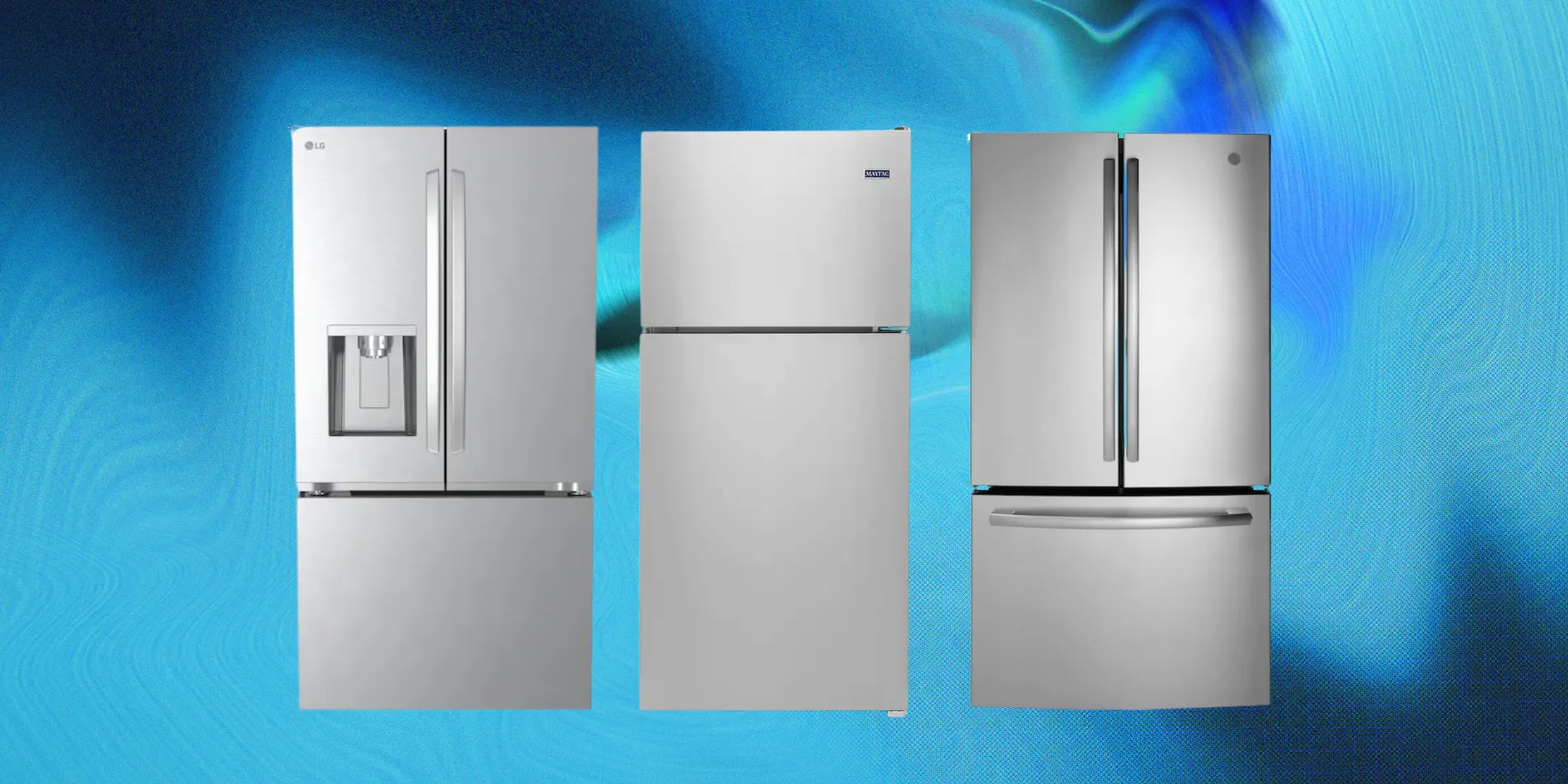
    At the same time, big appliances are being judged by a similar standard. Refrigerators are no longer just about keeping food cold; buyers care about layout, accessibility, ease of cleaning, and whether shelves and drawers help reduce waste. That’s organization, too—just on a larger scale.

    If you’re deciding where to spend, start with this rule: buy the product that solves a recurring friction point, not the one that merely photographs well.

    Side-by-side comparison: which type of home upgrade delivers the most value?

    Product Type Primary Benefit Best For Storage/Organization Value Design Impact Portability Typical Spend Level Main Trade-Off
    Beach tote/towel/packable accessory set Streamlines day-trip packing Families, apartment dwellers, frequent beach or park users Medium Medium to High High Low to Medium Seasonal use for some households
    Refrigerator Improves food storage, visibility, and daily efficiency Kitchens due for an upgrade, busy households Very High Medium to High None High Expensive and space-dependent
    Cordless portable lamp Adds flexible light without wiring constraints Renters, small-space homes, reading nooks, outdoor dining Low High Very High Low Limited brightness/runtime versus hardwired lamps
    Picture frame with hidden storage Conceals visual clutter in plain sight Entryways, living rooms, bathrooms, small homes High for tiny essentials High Medium Low to Medium Small storage capacity
    Double-dressed windows Layers light control, privacy, and softness Bedrooms, living rooms, design-forward spaces Indirect but meaningful Very High None Medium to High Needs planning and can look bulky if done badly

    That table tells the story fast: if you need the biggest organizational payoff, a better refrigerator or hidden-storage decor wins. If you want the quickest visual upgrade with useful flexibility, the cordless lamp is the dark horse. And if your problem is chaotic outings or overstuffed grab-and-go gear, the new packable beach setup makes more sense than buying random pieces one at a time.

    Best for daily function: refrigerators that organize as much as they cool

    A refrigerator is the least glamorous item in this roundup, but it’s arguably the most important. Why? Because poor fridge layout creates repeat clutter: hidden leftovers, duplicate groceries, produce forgotten in deep drawers, and shelves that are technically spacious but practically awkward.

    Lab-tested models and large consumer surveys tend to reward the same features again and again:

    • Consistent temperature control, because food lasts longer when the unit isn’t fluctuating.
    • Crisper drawers that actually maintain humidity, which helps reduce produce waste.
    • Adjustable shelving, especially for households that store tall bottles, meal-prep containers, or party platters.
    • Easy-to-clean finishes and interiors, because sticky shelves are where good intentions go to die.
    • Logical door storage, so condiments and drinks don’t compete with essentials.

    If you’re shopping, skip the trap of comparing only cubic feet. A fridge with a clever interior often outperforms a larger but poorly divided model in real life. Consumers notice this quickly: the best refrigerators don’t just preserve food well; they make it easier to see what you own and use it before it expires.

    Here’s the expert tip most buyers overlook: measure your most annoying food items before you buy. Gallon pitchers, pizza boxes, sheet cakes, bulk yogurt tubs, meal-prep containers—these are the pieces that reveal whether a fridge will help or frustrate you. A beautiful finish won’t matter if your weekly staples never fit where you need them.

    And if the rest of your kitchen storage is working against you, pairing a fridge upgrade with simple drawer organizers can dramatically improve the flow between prep, cooking, and cleanup.

    Best small-space storage trick: the picture frame that hides household essentials

    This is the kind of product that sounds gimmicky until you picture where it actually works. A decorative frame with concealed storage is not meant to replace a cabinet. It’s meant to absorb the ugly little items that visually pollute a room: spare keys, remote controls, charging cables, stamps, dog-walking supplies, backup batteries, even bathroom necessities you don’t want sitting out.

    That’s what makes it smart. It addresses visual clutter, which is often the most stressful clutter of all.

    In a small entryway, hidden storage beats another tray that just displays your mess more neatly. In a guest bathroom, it keeps practical items accessible without advertising them. In a living room, it can handle the small stuff that usually ends up migrating across every flat surface.

    Where a hidden-storage frame works best

    • Entryway: keys, sunglasses, spare cash, stamps
    • Bathroom: personal care items, backup toiletries
    • Living room: remotes, charging cords, matches
    • Bedroom: jewelry, note cards, small keepsakes

    The limitation is obvious: capacity. You’re not hiding a mountain of stuff in there. But that’s also its strength. It forces a tighter edit and keeps only the essentials close at hand.

    Need a companion strategy? Pair tiny hidden decor storage with larger-scale closet organizers elsewhere in the home so your visible rooms stay streamlined while bulkier items live out of sight.

    Best low-commitment upgrade: a cordless portable lamp under $20

    Some purchases earn their keep because they solve a layout problem you’ve been tolerating for too long. The cordless portable lamp falls squarely into that category. No outlet nearby? No problem. Want a softer glow on a bookshelf, dining table, patio bistro set, or bedside stack of books? Move it there.

    The reason these lamps are catching attention isn’t just price. It’s freedom. Cords force furniture placement. Portable lighting gives it back to you.

    In design terms, that means you can make underused corners feel intentional. In practical terms, it means a rental or awkward room can get functional task or ambient light without an electrician, a long extension cord, or a visual tangle of wires.

    Who should buy one first?

    • Renters who can’t add hardwired sconces
    • Small-space dwellers who need multi-use lighting
    • People who entertain and want portable mood lighting
    • Anyone with dark shelves or dead corners that need life

    The caveat: low-cost cordless lamps can trade brightness and battery life for affordability. If you need serious reading light for hours every night, check runtime and charging method before you click buy. But if your goal is flexible atmosphere and occasional utility, this category punches above its weight.

    Buyer rule: Portable lamps are best treated as “light where you need it now,” not as a replacement for every permanent fixture in the room.

    Best for grab-and-go organization: packable beach essentials that reduce chaos

    Beach-day products may sound niche, but the appeal is broader than summer travel. The real value is in compact, multitasking design: items that carry, dry, shield, or store better than the bulky versions you already own. If you live in an apartment, have kids, or regularly head to parks, pools, or weekend outings, streamlined soft goods can cut down on that maddening pre-trip scramble.

    What separates a smart packable product from an overhyped one? Three things:

    1. It combines jobs—like carrying and drying, or protecting and packing.
    2. It reduces bulk when stored at home.
    3. It’s easy to clean after use, especially when sand, sunscreen, or damp fabric are involved.

    This matters more than people admit. Seasonal gear often becomes off-season clutter. If a beach tote collapses neatly, a towel dries fast, or an accessory packs flatter than your old version, it improves your home storage long after the outing is over.

    For households already battling overflow, off-season containment matters. A low-profile bin or under bed storage with wheels can keep beach, picnic, and travel gear accessible without sacrificing precious closet space.

    Best style-led investment: double-dressed windows that work harder than blinds alone

    Window treatments usually get filed under decoration, but layered window dressing has a practical edge that organization-minded homeowners appreciate. Combining two treatments—often a shade plus drapery, or sheer panels plus heavier curtains—gives you finer control over privacy, glare, insulation, and softness. And when a room is visually calmer, it often feels less cluttered too.

    That’s the hidden reason this look reads expensive: it solves multiple problems at once.

    A bare window can make a room feel unfinished. A single heavy curtain can feel flat or overly dominant. Two coordinated layers create depth and flexibility. Need filtered light in the afternoon but privacy at night? That’s exactly what layering does best.

    Three combinations that usually work

    • Roman shade + full drapery: tailored and polished, ideal for living rooms and bedrooms
    • Sheer panel + blackout curtain: practical for sleep, softness, and daytime glow
    • Woven shade + linen drape: relaxed, textural, and especially good in coastal or casual interiors

    The organizational benefit is subtle but real. Better light control can reduce the need for visual workarounds elsewhere—harsh glare that makes you avoid a reading chair, windows that expose too much and encourage constant blind-adjusting, or rooms that feel stark and unanchored. When the envelope of the room works better, the room itself tends to stay tidier.

    Just don’t overdo the volume. In small rooms, choose slimmer hardware, lighter fabrics, and a tighter color story so the layering looks intentional rather than heavy.

    So which one should you buy first?

    If your pain point is food waste and kitchen frustration, prioritize the refrigerator. It’s the highest-cost option here, but also the one with the largest everyday payoff.

    If your surfaces are full of little ugly necessities, the hidden-storage picture frame is the cleverest low-profile fix.

    If your rooms feel rigid or underlit, the cordless lamp gives you immediate flexibility for the least money.

    If your outings are chaotic and your seasonal gear is bulky, invest in better packable essentials.

    If your room looks finished everywhere except the windows, layered treatments may deliver the biggest design transformation.

    The smarter way to shop isn’t to ask which product is trending. It’s to ask which one removes the annoyance you encounter at least three times a week. That’s the buy that will feel useful six months from now, not just exciting on delivery day.

    And that’s really where stylish home organization is heading: fewer single-purpose items, more products that hide, move, layer, and adapt. The best buys aren’t just beautiful. They earn their square footage.

  • The Home Organization Trend Now: Utility Rooms Go Stylish

    The Home Organization Trend Now: Utility Rooms Go Stylish

    You used to hide the laundry area, shut the door on visual clutter, and save your personality for the living room. Not anymore. The newest home organization news says the exact opposite: the spaces that work the hardest are being asked to look the best too. And once you notice it, you see the pattern everywhere—boldly decorated townhouses, budget-friendly kitchen launches, a viral IKEA basket made for tiny laundry rooms, and even a backyard solarium marketed like an extension of the house rather than a separate add-on.

    The Home Organization Trend Now: Utility Rooms Go Stylish

    The shift is simple but important: utility is no longer enough. Shoppers want storage that earns its footprint, looks intentional, and helps small or awkward areas feel bigger, calmer, and easier to maintain. That is especially true in laundry rooms, mudrooms, entertaining zones, and all the hybrid spaces that have quietly become the pressure points of modern homes.

    The quick read on what’s happening

    • Laundry rooms are getting a design upgrade. A practical basket is no longer just a basket; it now has to help the room feel airy, coordinated, and tidy.
    • Color is moving into functional spaces. Maximalist interiors and color drenching are making homeowners less afraid to bring personality into storage-heavy zones.
    • Budget retail is chasing the “designer look for less” buyer. Shoppers want pieces that feel styled, not purely utilitarian.
    • Outdoor entertaining spaces are being treated like organized rooms. A solarium is essentially storage planning in disguise: zones, circulation, durability, and visual order all matter.
    • Gift culture is reflecting the same thing. Products tied to hobbies, organization, and lifestyle utility are winning because people want items they will actually use, not just receive.

    If you’re trying to make your home feel more polished without a full renovation, this trend matters because it changes where your money works hardest: not just on decor, but on storage pieces that visibly improve how a room functions.

    Why the laundry room is suddenly the star

    The strongest signal in this mix is the laundry category. For years, laundry-room shopping was dominated by plastic bins, wire shelves, and apologetic design. Now the best-selling and most talked-about items are doing something smarter: they solve a storage problem and visually lighten the room.

    That distinction matters in small homes, apartments, and narrow utility rooms where every object becomes part of the decor whether you planned for it or not. A basket with cleaner lines, a more architectural shape, or a warmer natural texture can make the room feel less crowded even when the storage volume stays exactly the same.

    • Open shelving looks better when baskets match in tone or texture.
    • Floor space feels larger when laundry essentials are visually consolidated.
    • Daily chores feel less chaotic when the room reads as one system instead of five unrelated products.

    That is the hidden reason stylish utility storage is getting so much attention: people are not just buying containers. They are buying visual relief.

    The small-room rule smart shoppers are following

    In compact laundry rooms, the most effective organizing products do at least two of these three things:

    • Contain mess so supplies are not constantly visible
    • Introduce texture or color so the room feels designed, not makeshift
    • Use vertical space to free up circulation

    That is why ceiling-mounted drying racks, open shelves styled with baskets, and slimmer hampers keep showing up in trend coverage. They do not just add storage. They make the room breathe.

    Need to push the effect further? Pair concealed bulk storage down low with one attractive open basket up high for everyday use. You keep the convenience, but the eye lands on the prettier piece first.

    The bold-color effect: storage is no longer supposed to disappear

    One of the more interesting threads across current interiors is the rejection of restraint. When a home filled with florals, layered pattern, and drenched color gets celebrated rather than edited down, it sends a clear message to the wider market: practical spaces do not need to be neutral to feel elevated.

    For home organization, that changes the buying brief in a big way.

    • Storage can now participate in the room’s palette.
    • Utility areas can support a decorative point of view.
    • Matching everything in plain white is no longer the default definition of “organized.”

    That does not mean every laundry room should become a floral fantasia. It does mean there is more permission to use olive canvas bins, warm rattan, striped liners, painted shelving, or saturated wall color to make the room feel finished. If you love pattern, why should the pantry or utility room be exempt?

    Trend translation: The new organized home is less about hiding life and more about editing it beautifully.

    This is also where people often make the wrong call. They buy “pretty” storage that does not fit the volume or routine of the space. The result? Attractive clutter. A better approach is to start with the workflow: sort, wash, dry, fold, stash. Then choose the bins, baskets, and racks that support that sequence.

    For adjacent spaces that collect overflow clothing, linens, or cleaning supplies, streamlined closet organizers can help extend the same polished look beyond the laundry zone without making the house feel overbuilt.

    Budget retailers are pushing style harder—and that’s changing expectations

    Another signal in the market is the rise of affordable collections that mimic the warmth and charm of more established lifestyle brands. This matters because once shoppers see rustic florals, soft country color palettes, and styled storage-friendly accessories at lower price points, their standards shift quickly.

    They stop asking, “Can I afford organization?” and start asking, “Why does practical storage still look so clinical?”

    That is a big retail story. Mass-market buyers are increasingly rewarding products that sit in the sweet spot between decor and organization:

    • Canisters, crocks, and baskets that can live out on display
    • Textiles and tabletop pieces that make multi-use spaces feel cohesive
    • Utility products that no longer scream “back room” or “temporary fix”

    For homeowners and renters, this is good news. You do not need a custom mudroom or built-in cabinetry to create a collected look. You need fewer mismatched pieces and a stronger visual story.

    Where people are spending now

    • One standout basket or hamper instead of three cheap bins that never quite fit
    • Wall-mounted or overhead drying solutions instead of permanent floor clutter
    • Decorative containers for exposed storage instead of leaving essentials in branded packaging
    • Small organizing inserts that make drawers and cabinets actually usable

    If your utility room has one chaotic drawer full of stain sticks, clothespins, batteries, and random hardware, this is where drawer organizers can make a disproportionate difference. They are not glamorous, but they are often the fastest route to making a room feel professionally reset.

    The backyard solarium boom is really an organization story

    At first glance, a viral party solarium seems separate from laundry-room baskets and floral interiors. It is not. It reflects the same consumer behavior: people want every square foot to function harder and look better.

    A backyard entertaining structure only works when it is treated like a room, not an accessory. That means the same home organization principles apply:

    • Zoning: dining, lounging, serving, storage
    • Traffic flow: enough clearance to move comfortably
    • Containment: a place for cushions, tabletop items, and hosting gear
    • Visual editing: fewer objects, better chosen

    This is why outdoor upgrades are no longer just about adding square footage. They are about reducing friction. If hosting feels chaotic, you host less. If the setup is intuitive and tidy, the space gets used.

    That same logic applies indoors. Whether you are planning a utility room refresh or an outdoor entertaining area, the products that win right now are the ones that make a space easier to reset after real life happens.

    Even gift trends point to a more organized lifestyle

    Why would a roundup of gifts people “actually want” belong in this conversation? Because gift culture is often a shortcut to consumer priorities. When useful hobby gear, practical lifestyle upgrades, and home-adjacent items keep surfacing, it tells you people are valuing function with personality over generic novelty.

    That is relevant to organization because the most successful storage products now behave a little like great gifts:

    • They feel personal, not sterile
    • They support a real habit or hobby
    • They make everyday routines smoother

    Think about the difference between a plain catchall and a beautifully designed organizer that fits your actual daily use. One stores stuff. The other changes behavior.

    For vanities, bathroom counters, and dressing areas, an acrylic makeup organizer is a good example of this shift: practical enough to reduce mess, polished enough to look intentional, and transparent enough to cut down on duplicate buying because you can see what you already own.

    How to use this trend in your own home without overspending

    You do not need to buy into every viral product moment. You just need to apply the underlying pattern. Here is the smartest way to do it.

    Start with the room that annoys you most

    Usually that is the space where function and appearance are fighting each other: laundry room, entry, pantry, or guest-ready outdoor area. If a room creates visual noise every day, improving it will feel more valuable than upgrading a space you already enjoy.

    Choose one visual lane

    • Warm and rustic: woven baskets, cream ceramics, wood tones
    • Clean and modern: matte finishes, black accents, architectural shapes
    • Playful and bold: painted shelves, saturated walls, patterned textiles

    The biggest mistake is mixing too many unfinished ideas. A room feels organized faster when its storage speaks one language.

    Audit what should be hidden vs. displayed

    • Hide: backup supplies, bulky packaging, cleaning chemicals, off-season items
    • Display: attractive baskets, folded towels, everyday detergents in coordinated containers, beautiful tools you use constantly

    This one move can make even a builder-grade laundry room look more expensive.

    Spend where the eye lands first

    If your shelves are open, upgrade the basket. If your floor is crowded, invest in vertical drying or wall-mounted storage. If your countertop is the problem, fix surface clutter before buying decorative extras. Organization works best when it solves the most visible pain point first.

    The real takeaway from this wave of home news

    The hottest home organization shift right now is not minimalism, maximalism, or bargain shopping on its own. It is the blending of all three into something more realistic: spaces that work hard, show some personality, and do not require custom millwork to look finished.

    That is why the stylish laundry basket matters. It is not a small trend. It is evidence that the modern home is being judged room by room, task by task. The old standard was “good enough for the utility area.” The new standard is “if I see it every day, it should help and look good.”

    And honestly, why shouldn’t the hardest-working corners of your home get the glow-up first?

  • Irish Moss vs Grass: The Low-Maintenance Landscaping Guide

    Irish Moss vs Grass: The Low-Maintenance Landscaping Guide

    You know that moment when your yard starts bossing you around? The mower needs gas, the patchy lawn needs reseeding, the shaded corner never fills in, and suddenly your “easy” outdoor space feels like another room you have to clean. That is exactly why low-effort landscaping is having a moment, and why so many homeowners are comparing traditional grass with alternatives like Irish moss, rock features, and even indoor greenery that skips soil entirely.

    Irish Moss vs Grass: The Low-Maintenance Landscaping Guide

    If your real goal is a home that looks polished without adding more chores, this is not just a gardening decision. It is an organization decision too. The best landscape choices reduce maintenance, cut visual clutter, and create a calmer backdrop for everyday life. And right now, the smartest comparison is not simply lawn versus no lawn. It is which low-fuss option actually fits your space, your style, and your tolerance for upkeep.

    Why this landscaping shift matters for organized living

    People often separate interiors from exteriors, but they should not. A chaotic yard has a way of spilling into your home life: muddy shoes at the door, bulky lawn gear in the garage, half-used seed bags on a shelf, hoses draped where they do not belong. A simpler landscape can mean fewer tools, fewer seasonal purchases, and less visual noise overall.

    That is why three trends are colliding right now:

    • Irish moss lawns for a softer, low-growing ground cover look
    • Large rocks and boulders as durable, low-maintenance landscape anchors
    • Soil-free houseplants indoors for greenery without bags of potting mix and constant cleanup

    There is also a design lesson worth borrowing from quiet-luxury interiors: character does not come from stuffing a space with features. It comes from restraint, texture, and materials that feel intentional. The same rule works outside.

    The quick comparison: Irish moss, grass, rocks, or soil-free plants?

    Option Best For Maintenance Level Water Needs Foot Traffic Tolerance Style Effect Main Trade-Off
    Irish moss Small lawns, decorative ground cover, soft cottage-style areas Low to moderate Moderate, especially while establishing Light Lush, romantic, textured Not ideal for heavy play or constant trampling
    Traditional grass Active households, play areas, larger multipurpose yards High Moderate to high High Classic, uniform Frequent mowing, edging, patching, and feeding
    Large rocks/boulders Slopes, borders, focal points, dry landscapes Low Very low once installed Not a surface, but highly durable as structure Architectural, grounded, sculptural Upfront placement takes planning and effort
    Soil-free houseplants Indoor greenery, small-space living, low-mess plant care Low Low to moderate depending on plant type Indoor use only Clean, modern, airy Not a yard solution, but supports the same low-maintenance mindset

    Irish moss vs grass: the real decision most homeowners are making

    Choose Irish moss if you want softness without the mowing routine

    Irish moss is getting attention for one big reason: it gives you that green-carpet effect without looking like a standard lawn. It stays low, can handle a bit of shade better than many grasses, and has a more decorative look than turf. In the right spot, it feels almost styled rather than merely maintained.

    That makes it especially appealing for homeowners who want a yard that reads as curated and calm. If you are tired of chasing a perfect lawn, Irish moss can feel like stepping off the maintenance treadmill.

    But here is the catch. It is not a direct substitute for a family soccer field. It works best where foot traffic is light and the goal is visual softness, not durability under constant wear. Think front paths, small courtyard zones, spaces between stepping stones, or compact yards where aesthetics matter more than rough use.

    Choose grass if your yard needs to perform, not just look pretty

    Grass still wins when the yard is a workhorse. Kids run on it. Dogs sprawl on it. Chairs can be dragged over it. If your outdoor space doubles as recreation space, grass remains the practical pick.

    That said, practicality has a cost. Mowing, edging, watering, fertilizing, reseeding, and dealing with thin or brown spots all add up. Grass often looks simple from a distance and demanding up close. If you already feel stretched managing your home, ask yourself: do you really want your yard to behave like another room with constant upkeep?

    The smartest compromise

    For many homes, the best answer is not choosing one surface for the entire yard. It is zoning. Use grass only where you need durable activity space. Use Irish moss in decorative areas and around paths. Bring in rocks where you want permanent structure and less maintenance. That layered approach usually looks more designed and works harder long term.

    Where big rocks beat both grass and ground cover

    Large rocks are one of the most overlooked tools in low-maintenance home landscape design. They are durable, timeless, and once set properly, they largely stay put and keep doing their job. No mowing. No seasonal dieback. No replacing mulch every few months because it migrated after rain.

    A seasoned gardener will tell you that rocks do more than fill space. They create visual order. They can anchor a bed, frame a plant grouping, stabilize a gentle slope, or act as a backdrop that makes even ordinary greenery look intentional.

    Use them when you need:

    • Structure in a yard that feels flat or undefined
    • Erosion support on a slope or terrace edge
    • A focal point that replaces fussy seasonal plantings
    • A local, natural material palette that feels connected to your region

    Here is the design trick many people miss: one well-placed boulder often looks better than a scattered collection of medium-size rocks. Why? Because random placement can read as leftover debris, while a single substantial stone feels deliberate. Groupings can work too, especially in odd numbers, but only if they look composed rather than dumped.

    And if you care about sustainability, locally sourced stone often makes more sense than synthetic landscape materials that weather poorly or need replacing. Stone ages well. Plastic edging does not.

    Indoor comparison: why soil-free plants belong in the same conversation

    At first glance, a yard trend and a houseplant trend seem unrelated. They are not. Both are responses to the same pressure: people want greenery without a mess-heavy care routine.

    Soil-free houseplants, including options like air plants and other low-fuss varieties, appeal because they reduce one of the biggest barriers to indoor plant ownership: the cleanup. No spilled potting mix. No bulky bags stored in a utility closet. No muddy repotting session taking over the kitchen table.

    That matters in smaller homes and apartments where every maintenance category competes for storage space. If your home is already stuffed with extra supplies, simplifying plant care can make a noticeable difference.

    💡 Pro Tip: If you are streamlining the way your home functions room by room, practical systems like drawer organizers help contain all the small maintenance items that tend to multiply, from pruning scissors to plant labels and gloves.

    The bigger point? Whether you are styling a windowsill or a front yard, low-effort greenery works best when it does not create hidden clutter.

    Style matters too: the quiet-luxury lesson homeowners should steal

    One of the strongest design stories right now is the return of character through restraint. In interiors, that can mean layered neutrals, tactile materials, tailored details, and a sense of calm instead of over-decoration. Outside, the same principle translates beautifully.

    Irish moss brings softness and texture. Rocks bring permanence and weight. A controlled plant palette keeps everything from looking chaotic. Together, they create a yard that feels expensive even if the materials are simple.

    That is the difference between a yard filled with disconnected ideas and one that feels edited. Quiet luxury outdoors is not about lavish spending. It is about choosing fewer, better elements and letting them breathe.

    A practical formula that works

    • Use one soft ground layer, such as Irish moss, in decorative zones
    • Add one structural hard element, such as a large rock or stone grouping
    • Repeat one restrained color story in plants, pots, or trim
    • Avoid packing every bed with tiny features that require separate maintenance

    That formula is especially useful if your home already leans classic, minimal, or softly traditional.

    Which option fits your home best?

    Pick Irish moss if…

    • You have a small yard or a decorative section of lawn
    • You want a softer, more styled alternative to turf
    • Your foot traffic is light
    • You are happy to give it some attention while it establishes

    Pick grass if…

    • You need a durable outdoor play surface
    • Your household uses the yard heavily
    • You do not mind regular maintenance or already have the tools
    • Uniformity matters more than ornamental texture

    Pick big rocks if…

    • You want the lowest long-term maintenance option
    • Your yard needs shape, slope support, or a focal point
    • You prefer a natural, grounded look
    • You are trying to reduce watering demands

    Pick soil-free plants indoors if…

    • You want greenery without potting mess
    • You live in a small space
    • You are building a lower-clutter care routine
    • You want plants that are easier to manage visually and practically

    The hidden cost to compare: storage

    Most buyer guides stop at watering and maintenance. But storage should be part of your decision. Grass often requires the biggest support system: mower, fuel, seed, fertilizer, spreader, hose accessories, edging tools. Irish moss and rock-forward landscaping can seriously shrink that list.

    If your garage, mudroom, or shed is already overloaded, choosing a lower-maintenance landscape can free up physical and mental space. That is not a small benefit. It is one of the clearest ways exterior design affects interior organization.

    Recommended Resource: If your entry, utility zone, or mudroom is carrying the overflow from outdoor upkeep, smart closet organizers can help corral seasonal gear so your simplified landscape actually leads to a simpler home.

    The best low-maintenance setup for most homes

    If you want the most realistic answer, here it is: very few homes benefit from replacing everything with one material. The best setup is usually a mix.

    1. Keep grass only where you need durability. Be honest about the square footage you actually use.
    2. Use Irish moss in visible, lower-traffic zones. This is where it delivers the most beauty for the least frustration.
    3. Add one or two large rocks for structure. They make the whole yard feel composed and reduce the need for extra filler.
    4. Bring the same low-mess philosophy indoors. Choose easy-care plants that do not create maintenance clutter.

    That combination gives you the soft trend factor, the grounded permanence, and the practical ease people are really chasing right now.

    The takeaway is simple: if your yard feels like one more thing to manage, stop treating grass as the default. Compare it honestly against Irish moss, hard-working rocks, and a lower-clutter planting strategy. The most organized home is not the one with the most features. It is the one where every feature earns its keep.

  • Spring Storage That Looks Good: Bins, Porch Style, and Fresh Color

    Spring Storage That Looks Good: Bins, Porch Style, and Fresh Color

    You can buy the prettiest porch chair on the block, pot up a cloud of azaleas, and swap in the newest spring color trend—then ruin the whole effect with one cracked plastic tote shoved beside the front door. That’s the part most spring-refresh advice skips: style only feels finished when your storage stops fighting it.

    Spring Storage That Looks Good: Bins, Porch Style, and Fresh Color

    This season’s home conversation is shifting in an interesting way. Spring 2026 inspiration is full of florals, porch upgrades, dramatic contrast, and color palettes that move beyond predictable pastels. At the same time, tested storage guidance keeps making the same practical point: the best bin is not the one that looks neat in a product photo, but the one matched to the weight, location, and frequency of use of what you’re storing. Put those two ideas together, and you get a smarter spring update—one where organization supports curb appeal and interior design instead of hiding in the background.

    If your goal is a home that feels fresher and functions better, here’s the real playbook: choose spring styling moves that add beauty, then pair them with storage choices that protect the look from clutter relapse.

    The biggest spring mistake? Treating decor and storage as separate projects

    Most people handle spring in two disconnected phases: first the “make it pretty” shopping, then the frantic search for somewhere to put winter leftovers, garden supplies, extra throws, and seasonal decor. That order is backward. If your storage plan comes last, your new styling has to work around visual mess.

    The better approach is contrast-led: visible areas get edited and elevated, while nearby storage does the heavy lifting. Think porch chairs versus hose nozzles, flowering pots versus half-used soil bags, fresh table linens versus bulky off-season blankets. One category is meant to be seen; the other should be accessible but controlled.

    That’s why tested storage advice matters here. Heavy items need heavy-duty plastic that won’t crack under load, while fabric bins are better for softer goods like clothing and bedding. Airtight lids are worth the extra spend for pantry goods or sentimental items, but they’re unnecessary for toys or everyday textiles that you access constantly. In other words, not every spring storage problem deserves the same box.

    “A place for everything and everything in its place” only works when the container fits the job. Easy access matters for daily items; protection matters for fragile, seasonal, or moisture-sensitive ones.

    Why does this matter for design? Because once the right things are hidden the right way, your visible spring choices read as intentional instead of crowded. That dramatic black exterior wall, those florals on the table, that updated porch seating—they all look more expensive when the practical overflow has a plan.

    Where spring 2026 design is heading: less pastel, more contrast

    Spring usually arrives wrapped in soft pinks, powder blues, and obvious “fresh start” cues. But the newer direction is more nuanced. Unexpected spring colors are gaining attention precisely because they avoid the predictable pastel script. Richer, moodier, or earthier tones feel current because they add freshness without making a home look theme-y.

    That shift also lines up with the broader garden and porch mood. Florals are still everywhere, of course, but they’re being used against stronger backdrops. One standout design idea making the rounds is the black-painted house exterior as a dramatic foil for planting. It’s a perfect example of contrast doing the work: blooms look brighter, greenery reads sharper, and the architecture feels grounded rather than sugary.

    Inside the home, the same principle applies. If you’re bringing in spring through pillows, stems, ceramics, or entryway accents, you don’t need a candy-colored overload. A better formula is controlled color plus concealed storage. Warm reds, botanical greens, creamy whites, inky accents, and natural wood can feel more sophisticated than a basket of pastels scattered everywhere.

    And yes, this is where micro-organization matters. A clean entry console or kitchen catchall becomes much easier to maintain when you use drawer organizers to separate keys, sunglasses, dog leashes, batteries, and the random paper scraps that always seem to multiply in spring.

    Spring Update Choice Old Default Newer 2026 Direction Why It Works Better
    Color palette Soft pastels everywhere Unexpected, higher-contrast tones Feels fresher and less predictable
    Exterior backdrop Light facade with delicate accents Darker backdrop with bold planting Makes flowers and foliage pop
    Storage style One-size-fits-all bins Material matched to use case Prevents breakage and clutter rebound
    Porch styling Decor first, utility later Seating plus hidden containment Keeps curb appeal looking finished

    Porch chairs, potted azaleas, and the storage question nobody asks

    A porch upgrade sounds simple until real life shows up. Where do the extra cushions go when pollen hits? Where do you stash potting gloves, citronella refills, outdoor candles, and the small tools that turn one planter into six? Style without storage quickly becomes maintenance-heavy.

    Porch seating trends are broad right now: classic rockers, Adirondack silhouettes, swivels, and more sculptural options all have a place. But each type creates a different storage need. Rockers and Adirondacks lean traditional and visually busy, so they look best when accessories are edited down. Swivel chairs and cushioned seats feel more lounge-like, but they usually require nearby covered storage for textiles.

    Then there are the plants. Growing azaleas in pots is especially appealing for seasonal displays because containers let you control placement, soil conditions, and visual symmetry. You can flank steps, frame a bench, or punctuate a porch corner with color. But container gardening creates its own mess cycle: fertilizer, pruners, deadheading debris, spare saucers, and watering cans need a home.

    The contrast is clear. A styled porch says “welcome”; exposed supplies say “unfinished.”

    Use this quick decision framework:

    • Decorative porch, minimal gardening: choose seating first, then add one discreet lidded bin for cleaning cloths, candles, and cushion storage.
    • Plant-heavy porch: prioritize a tougher bin or deck box for tools, soil additives, and gloves, because moisture and weight are the real issue.
    • Small entry porch: go vertical indoors instead—an entry cabinet or slim closet setup will outperform bulky outdoor storage.

    A common mistake is using indoor-style fabric bins in semi-exposed zones. They may look softer, but humidity and dirt make them a poor fit. Save fabric for closets and use wipeable, structured storage outdoors or near doors.

    Which storage bins deserve your money this spring?

    If you’re buying just a few containers instead of launching a full organizational overhaul, be strategic. The tested standout in the source material was the Iris Stack & Pull Storage Box, praised for its stackable shape, semitransparent sides, and comfortable handles. That combination matters because spring storage is usually transitional: you want to identify what’s inside quickly, move it without strain, and stack it in a closet, garage, or utility zone without wasting vertical space.

    Here’s the smarter way to evaluate bins, room by room:

    1. Closet storage: soft beats airtight

    For off-season clothing and spare bedding, fabric bins or lighter-duty containers are usually enough. The key issue is breathability and access, not fortress-level sealing. Overbuying airtight bins for sweaters is a classic mistake—you pay more and make retrieval more annoying.

    2. Pantry storage: airtight earns its keep

    Dry goods, cereals, and baking staples benefit from tighter-sealing containers because freshness and pest prevention matter. This is one area where the lid quality is not a cosmetic detail; it changes performance.

    3. Garage or utility storage: heavy-duty plastic only

    Tools, paint supplies, dense seasonal decor, and outdoor accessories need sturdier walls and stronger latches. Weight is the deciding factor here, not aesthetics.

    4. Under-bed storage: low profile wins

    Spring often means rotating winter items out of sight. For that, sliding access is often more useful than stackability. If you’re putting away extra throws, guest linens, or last season’s clothing, under bed storage with wheels can be more practical than rigid bins you have to drag and tilt from the floor.

    Storage Need Best Bin Type Best For Avoid If
    Everyday closet use Fabric or light plastic Clothes, linens, soft goods You need moisture protection
    Pantry organization Airtight container Cereal, flour, snacks, staples You access contents rarely and want cheap bulk storage
    Heavy utility storage Heavy-duty plastic bin Tools, dense decor, outdoor gear You need a decorative visible solution
    Hidden bedroom storage Low-profile rolling bin Seasonal textiles, backup bedding Your bed frame has very low clearance

    Expert tip: semitransparent sides are often better than fully clear bins for mixed-use spaces. You can still identify contents, but the visual noise is lower when the bins sit in a visible closet or mudroom zone.

    The prettiest organizing upgrade may be inside your drawers

    Not every spring reset needs a bin with a lid. Some of the most effective changes happen in the smallest spaces—kitchen drawers, bathroom vanities, and entry drop zones. These are the places where clutter regrows fast because they hold high-turnover items.

    If your counters always look messy by week two of a reset, your issue probably isn’t a lack of discipline. It’s a lack of containment. Small categories need boundaries, or they spread.

    This is why dividers outperform catchall trays in many rooms. In a kitchen, they separate utensils, bag clips, tea sachets, and gadget parts. In a bathroom, they keep backup skincare, cotton rounds, and hair ties from collapsing into one chaotic layer. In a dresser, they stop socks and undergarments from becoming an archaeological dig.

    For a more polished look, bamboo drawer dividers make especially good sense in visible, frequently opened drawers because they add warmth instead of the sterile office-supply feel that plastic inserts can bring.

    Before versus after is dramatic here: before, you’re constantly shuffling items to find one thing; after, your drawers become maintenance systems. And because every item has a repeatable place, the tidy look actually lasts.

    What to do next if you want a spring refresh that lasts

    Don’t start with shopping. Start with friction.

    1. Walk your home and identify three clutter hotspots that actively undermine spring styling—usually the entry, porch-adjacent zone, pantry, or primary bedroom.
    2. Decide what deserves visibility: porch chairs, flowering pots, a fresh color accent, a dining arrangement, or an edited console table.
    3. Match storage by function, not by matching set: heavy-duty plastic for weight, airtight for food or keepsakes, fabric for soft goods, rolling low-profile storage for hidden rotation.
    4. Use one drawer-based fix in a daily-use zone so the improvement is felt every day, not just seen on weekends.
    5. Limit yourself to one spring palette move—for example, deeper reds, greens, or high-contrast florals—instead of layering pastel on pastel.

    If you want the fastest payoff, focus on the spaces that connect indoors and out. That’s where spring living actually happens, and where clutter is most likely to break the mood.

    FAQ

    Are airtight bins necessary for all spring storage?

    No. They’re most useful for pantry items and sentimental belongings that need extra protection. For everyday clothing, toys, or soft linens, easy-open fabric or standard plastic bins are often more practical.

    Can I use fabric bins on a porch or in a mudroom?

    Only in fully protected indoor zones. Fabric works best for dry, low-dirt environments like closets and bedroom shelving. Near a porch or entry, wipeable plastic or sealed storage handles moisture and debris better.

    What’s the best way to store winter textiles in spring?

    Use low-profile bins or rolling containers if you’re storing them under the bed, and breathable fabric bins if they’re going on a closet shelf. Avoid overstuffing, because compressed textiles wrinkle more and are harder to rotate back in next season.

    The most interesting homes this spring won’t be the ones chasing every floral trend or buying the most porch accessories. They’ll be the ones where beauty and storage are finally working together. Once you see spring styling as an organizational project too, the bigger question changes: not what should I add? but what system will keep this looking good in June?

  • Budget-Friendly Toy Storage Finds That Look Designer

    Budget-Friendly Toy Storage Finds That Look Designer

    You can spend a small fortune making a playroom look polished—or you can steal a trick from shoppers who know that the best-organized homes rarely rely on one premium brand. The smarter move is mixing budget-friendly finds, deal-driven basics, and toddler-tested toys into a storage plan that actually survives real life. If you have a two-year-old, you already know the problem: cute toys multiply fast, bulky sets take over the floor, and every colorful plastic piece seems determined to sabotage your living room aesthetic.

    Budget-Friendly Toy Storage Finds That Look Designer

    The good news is that the latest shopping buzz points to a very specific solution. One trend centers on a Hobby Lobby find that shoppers say gives MacKenzie-Childs energy for way less. Another spotlights limited-time Amazon deals worth grabbing before prices bounce back. A third rounds up the best toys for 2-year-olds after real testing with families. Put those ideas together, and you get something more useful than a viral product roundup: a buyer-focused playbook for building organized, attractive toy storage on a budget.

    The real buying decision is not toy vs. decor—it is chaos vs. containment

    Most parents shop for toys and storage separately, which is exactly why the room ends up feeling cluttered. The better approach is to treat every new toy purchase as a storage decision too. A pretend play set, a building set, or an active toy each creates a different kind of mess, so each one needs a different containment method.

    That matters especially for 2-year-olds. The toy recommendations in the source material focus on this age for a reason: toddlers are old enough to use building sets, dolls, pretend play items, and active toys, but not old enough to maintain complicated organization systems. If storage is too fussy, it fails. Fast.

    Compare that with adult decor shopping. A decorative find that looks similar to MacKenzie-Childs might feel like a style purchase, but in a toy-heavy home, pretty containers and trays can do double duty. They soften the visual noise of a play area while hiding the least attractive pieces. Designer look, family-proof function—that is the sweet spot.

    The smartest budget-friendly storage buy is the one that makes toys easier to put away and makes the room look more intentional when they are out.

    Because toddlers thrive on repetition, visible zones work better than deep hidden bins. Therefore, your goal is not to erase toys from sight completely; it is to reduce visual overload by grouping like with like.

    Which toys need open bins, and which deserve prettier storage?

    Not all toys should be stored the same way. One of the biggest mistakes parents make is tossing every item into identical baskets. It looks neat for a day, then turns into a daily excavation project. The better system depends on toy type.

    Toy Type Best Storage Style Why It Works Common Mistake
    Building sets Shallow, labeled bins Pieces stay visible and easier to sort Using one deep basket for all blocks
    Pretend play sets Lidded basket or handled bin Keeps themed pieces together Mixing kitchen, doctor, and animal toys
    Dolls and plush toys Open basket or low shelf Easy for toddlers to grab independently Overstuffing bins until nothing fits back
    Small accessories Sectioned tray or drawer insert Prevents tiny pieces from scattering Storing miniature parts loose
    Art or tabletop play items Drawer-based storage Reduces countertop clutter Leaving supplies on open surfaces

    Here is the useful contrast: active toys and large toddler favorites often need fast-drop storage, while small-piece sets need precision storage. If you reverse that, cleanup becomes harder. For example, a chunky ride-on toy can live in a corner parking zone, but puzzle pieces or play-food accessories need boundaries.

    If you are using a console, sideboard, or low cabinet near the play area, drawer dividers can turn one oversized drawer into separate zones for mini figures, stacking parts, and art tools. That is an expert-level move because it makes broad furniture work like custom toy storage without adding more bins to the room.

    Why designer-inspired accents matter more in a playroom than you think

    A budget-friendly dupe story might sound like a decor side note, but it is actually a storage lesson. When shoppers get excited about a Hobby Lobby piece that looks like MacKenzie-Childs for less, what they are really responding to is permission: your home can look layered and collected without premium-brand pricing.

    That is crucial in spaces dominated by toddler gear. Budget storage is often functional but visually flat. Designer-inspired accents, by contrast, help bridge the gap between kid zone and adult home. A patterned tray, decorative container, or statement box can corral small items while making a shelf look styled instead of surrendered.

    Think of it as the difference between hiding clutter and editing it. A generic plastic tub says “overflow.” A decorative lidded container says “this belongs here.” Same room, different message.

    One smart contrast: use inexpensive utility storage behind closed doors, then place one or two prettier pieces where toys remain visible. You do not need a whole designer collection. You need a focal point strong enough to make the rest of the room feel intentional.

    For surfaces that tend to collect tiny daily clutter—hair accessories, sticker sheets, pretend makeup, or toddler-safe grooming items—an acrylic makeup organizer can work surprisingly well in a family zone. Clear compartments make small pieces easy to find, and because the structure is fixed, kids are less likely to dump everything into one pile.

    Amazon deals are useful—but only if you buy for storage friction, not hype

    Deal roundups create urgency, but urgency can make people buy the wrong thing. The source material points to six Amazon deals worth shopping and notes that one sold-out MacBook deal came back for a limited time. That kind of restock drama is great for tech shoppers, but for home organization, the lesson is simpler: temporary deals should push you to solve your biggest storage bottleneck first.

    Ask yourself: where does cleanup fail every night?

    • If blocks and stacking toys are always underfoot, buy shallow stackable bins.
    • If pretend play sets drift through the house, buy handled caddies that can travel room to room.
    • If toy rotation never happens because everything is mixed together, buy matching bins with easy labels.
    • If tablet accessories, chargers, or family tech clutter mingle with kids’ items, use separate compartments immediately.

    Why it matters: a deal is only good if it reduces daily friction. Buying random storage on sale often creates a second problem—containers that do not fit your furniture, your toy mix, or your child’s habits.

    A beginner thinks storage success comes from more baskets. A seasoned organizer knows it comes from better sizing. Measure your shelf width, drawer depth, and cube openings before you shop. Because if a bin is even slightly awkward to slide in and out, your toddler will stop using it and you will become the cleanup crew again.

    For drawers that need a cleaner, more natural look than clear plastic, bamboo drawer dividers are especially effective in shared family furniture like credenzas and media consoles. They keep toy categories separated while blending better with living-room decor.

    The best toy picks for 2-year-olds should influence your storage plan

    The toy roundup highlighted 40 best toys for 2-year-olds, with picks tested by real toddlers and families. That number matters because it reflects just how varied this age category is. A two-year-old may be using building sets, active toys, pretend play sets, and dolls all in the same week. That means your storage cannot be one-note.

    Here is a more strategic way to organize by developmental use:

    1. Building sets: Store by piece size, not by brand theme. Toddlers care more about quick access than perfect matching.
    2. Pretend play sets: Keep the core set together in one bin, but pull daily favorites into a small tray for easier reach.
    3. Active toys: Create a visible “parking area” using floor baskets or a low bench zone, so larger pieces do not migrate.
    4. Dolls and comfort toys: Use soft-sided baskets that children can access independently without pinched fingers.

    The common mistake is over-categorizing. Parents love detailed labels, but two-year-olds need broad, obvious groupings. If cleanup requires reading, matching tiny icons, or opening multiple lids, it is too advanced. Toddlers do better with “blocks here, pretend food there, dolls here.”

    Another expert tip: rotate by volume, not by strict schedule. Instead of swapping toys every Friday no matter what, rotate when one category starts overflowing. Because overflow is your signal that attention is dropping and clutter is rising, rotation becomes a response to use—not a chore on the calendar.

    A practical setup that looks good in the living room, not just the playroom

    If your home does not have a dedicated playroom, you need a system that can survive in shared spaces. That means mixing visible and hidden storage with intention.

    A simple three-zone layout

    • Zone 1: Quick-grab daily toys — one open basket and one low shelf for current favorites
    • Zone 2: Small-part control — divided drawers or lidded containers inside furniture
    • Zone 3: Styled surface — one decorative tray or patterned storage piece that visually ties the area into the rest of the room

    This setup works because it reflects real behavior. Daily favorites stay easy to reach, tiny mess-makers are contained, and the room still has an adult design point. Compare that with the all-bin approach, where every item is equally visible and nothing feels calm.

    If you are starting from scratch, do this next:

    1. Sort your child’s toys into four groups: building, pretend, plush/dolls, active.
    2. Count how many sets have loose accessories.
    3. Buy storage based on category friction, not whatever is trending.
    4. Add one decorative, budget-friendly accent to make the setup feel intentional.
    5. Test the system for one week before buying more.

    That last step matters. A lot of organizing mistakes happen when parents overbuy containers before they understand how their toddler actually plays.

    FAQ

    What type of toy storage is easiest for a 2-year-old to use?

    Low, open bins and broad categories are usually easiest. Two-year-olds do better with simple drop zones than detailed sorting systems. Shallow containers also help because kids can see what is inside without dumping everything out.

    Can decorative storage really work for toys?

    Yes—especially for toys with multiple small pieces or for items stored in shared spaces like living rooms. Decorative containers and trays help reduce visual clutter, but they work best when paired with hidden utility storage for overflow.

    How many toy categories should I use?

    For most toddlers, four to six categories is plenty. More than that often creates confusion during cleanup. Keep it simple: blocks, pretend play, dolls/plush, active toys, art, and books if needed.

    Your next move: shop fewer things, but choose smarter ones

    If the current shopping conversation has a takeaway, it is this: the best budget-friendly home buys are not always the flashiest ones. Sometimes it is the designer-inspired storage accent that makes a room look finished. Sometimes it is the practical Amazon deal that fixes the toy pile by the sofa. Sometimes it is choosing fewer, better-tested toys for a two-year-old so you are not organizing junk nobody plays with.

    The bigger question is where this trend goes next. As more families expect children’s spaces to blend into the rest of the home, storage can no longer be purely functional. It has to work hard, look good, and adapt fast. And once you see toy organization as part of your interior design—not separate from it—you may start shopping very differently.

  • Tool Storage Deals Worth Buying: The Milwaukee Walmart Picks

    Tool Storage Deals Worth Buying: The Milwaukee Walmart Picks

    You do not run out of space because you own tools. You run out of space because the wrong tools, batteries, and cases multiply faster than your storage plan. That is why a big Milwaukee sale at Walmart is more than shopping news for DIY fans—it is a home organization moment. If you have ever had loose batteries in a junk drawer, a drill in one closet, and saw blades in a random tote in the garage, you already know the problem: buying tools is easy; storing them intelligently is the real project.

    Tool Storage Deals Worth Buying: The Milwaukee Walmart Picks

    Right now, Walmart is discounting Milwaukee gear across batteries, drills, saws, impact wrenches, accessories, and PACKOUT storage, with markdowns reaching roughly 55% to 56% depending on the item listing. The biggest takeaway is not simply that prices are lower. It is that smart buyers can use this kind of sale to finally build a cleaner, more functional system around the tools they already own. For readers in the home organization world, that is the real story.

    The smartest buy in this sale is not always the flashiest tool

    If your garage or utility room feels chaotic, start with batteries and storage—not the most exciting cordless saw. That sounds backward, but it is usually the right move. A premium tool platform becomes messy and expensive when you have mismatched power, duplicate chargers, and nowhere to stack anything.

    Several of the strongest markdowns are on batteries, which matters because batteries are the backbone of a cordless system. Among the standout deals are the Milwaukee M18 REDLITHIUM XC 5.0Ah Battery 2-Pack for $145, down from $269, and the Milwaukee M12 HIGH OUTPUT XC 5.0Ah Battery Kit with two batteries plus charger for $145, down from $319. There is also an M12 REDLITHIUM XC5.0 battery listed at $65.99, down from $129.

    Those are not tiny savings. They are the kind of discounts that can change your setup strategy. Buy batteries first, and you reduce charger clutter, improve runtime, and make your existing tools more useful. Buy another random tool before fixing your power ecosystem, and you often create more visual mess with less real productivity.

    The overlooked upgrade in any tool zone is power management. When battery packs are standardized and chargers are limited to one shelf or wall station, the whole storage system suddenly works better.

    That same logic applies inside the house too. If you are trying to organize a mudroom work drawer or utility cabinet, the same principle behind modular tool storage also works for smaller categories like screws, tapes, and measuring tools. A set of drawer organizers can do for hand tools what PACKOUT does for power tools: create assigned homes so nothing drifts.

    Batteries vs. bare tools: which deal actually saves more space?

    The better value depends on what your room looks like right now. If you already own compatible Milwaukee tools on the M12 or M18 platform, battery kits often deliver more practical value than another bare tool. Why? Because one extra drill adds one more body to store. Extra batteries can improve the tools you already have without demanding much more footprint.

    Buy Type Best For Space Impact Value Signal
    Battery kit Existing Milwaukee users Low if consolidated on one charging shelf High when discounts hit 46% to 55%
    Bare power tool Filling a capability gap Medium to high Strong only if you truly need that function
    PACKOUT storage Messy garages and mobile setups High upfront, but reduces clutter long term Best for organization payoff
    Bit or socket set Replacing scattered accessories Low if stored in one case Great if your small parts are everywhere

    Here is the common mistake: people chase the biggest percentage discount and ignore category fit. A 55% off battery kit can be a smarter organizational buy than a cheaper saw if your current pain point is dead batteries piled near an outlet. Because batteries power multiple tools, the effect is broader. Because they store smaller than full-size tools, the storage burden is lighter too.

    There is also a platform decision hidden inside the sale. M12 and M18 are not interchangeable ecosystems. If your collection is split between both without a plan, your shelves will reflect that confusion. Separate chargers, duplicate backup batteries, and inconsistent labels create friction every time you start a project.

    Expert tip: Dedicate one shelf, one bin color, or one label style to each battery platform. Beginners often mix M12 and M18 accessories together because they are the same brand. That saves a few seconds today and wastes time for months.

    Why PACKOUT matters if you care about garage organization

    Most sale roundups treat PACKOUT like a side note, but for a storage-focused reader, it is arguably the headline category. Tools are only half the problem; the real frustration is portability without chaos. Milwaukee’s PACKOUT line works because it turns loose categories into stackable modules—small accessories in one box, chargers in another, hand tools in another, all designed to lock together.

    This is where the article’s broader theme connects with current home trends. People want a “portable closet” for more than clothing. The same appeal behind an organized garment roller—the idea that everything has a compartment and travels without collapsing into a mess—also explains why modular tool storage keeps winning. Homeowners increasingly want systems, not piles.

    If your garage doubles as a workshop, seasonal storage zone, and overflow pantry wall, modularity matters. Fixed shelves are great, but they cannot move with the project. PACKOUT can. That is the difference between organized storage and organized workflow.

    Need a simple way to support that system at home? Pair your hard-case tool setup with soft organization nearby: wall hooks for cords, labeled bins for sanding discs, and low-profile overflow containment like under bed storage with wheels for rarely used accessories in adjacent utility spaces. No, you probably are not sliding impact sockets under your guest bed—but off-season hardware, instruction manuals, and backup parts can absolutely live in rolling bins outside the garage if square footage is tight.

    The best Milwaukee deals if your tool area is already crowded

    When space is limited, every new purchase should solve at least one of these problems: scattered accessories, battery bottlenecks, or inefficient stacking. That is the filter worth using while the sale is active.

    Best for clutter reduction: battery kits

    The M18 REDLITHIUM XC 5.0Ah 2-pack at $145 is appealing because it consolidates performance in one buy. If you have multiple M18 tools but keep rotating a single battery, this reduces downtime without adding a large item to store.

    Best for compact setups: M12 battery deals

    The M12 HIGH OUTPUT XC 5.0Ah Battery Kit with charger at $145, down from $319, is especially strong for apartment dwellers, condo owners, or anyone with a smaller utility cabinet. M12 tools generally support a more compact footprint than M18 gear, so the ecosystem itself is often easier to organize.

    Best for visual order: PACKOUT storage

    If your issue is not lack of tools but too many loosely stored categories, modular storage can outperform another tool purchase. A clean wall of interlocking storage boxes is easier to maintain than mixed cardboard cartons and open shelves.

    Best for drawer cleanup: bit sets and sockets

    Accessories become clutter faster than tools do. A full-size drill has one obvious home. Loose bits do not. If your workspace has one “mystery drawer” packed with hex keys, drivers, and fastener packs, upgrade the containment before you buy another motorized product. Even simple inserts like bamboo drawer dividers can create zones for measuring tools, blades, and fastening accessories in a way that looks intentional rather than improvised.

    A practical buying plan: what to buy, what to skip, what to compare

    If you want this sale to improve your space instead of just adding more stuff, use a three-step decision framework.

    1. Audit your platform first. Count how many M12 and M18 tools you own, how many working batteries you have, and how many chargers are plugged in right now.
    2. Identify the real bottleneck. Is it power, storage, or missing tool capability? Be honest. Most people say they need another tool when they really need a charging station and labeled cases.
    3. Buy to complete a system. The best purchase is the one that makes your current collection easier to store, faster to access, and harder to lose.

    Here is the easiest version of that plan:

    • If you already own multiple Milwaukee tools and keep swapping batteries, buy batteries.
    • If your gear is spread across shelves and totes, buy storage.
    • If you are missing one key function for current projects, buy the tool—but only if it fits your existing battery platform.
    • If your accessories are loose, buy sets in cases before buying more standalone pieces.

    Avoid this trap: buying into both M12 and M18 during the same sale with no use-case distinction. That can make sense for pros, but for many homeowners it doubles the organizational burden. One system for lighter-duty work and one for heavy-duty work can be efficient; random overlap is not.

    FAQ

    Are battery deals better than tool deals during a Milwaukee sale?

    Often, yes—especially if you already own compatible tools. Batteries improve runtime across multiple products, while a single new tool solves only one task and takes up more storage space.

    Is PACKOUT worth it for homeowners, or only for contractors?

    It is useful for homeowners too, particularly if your garage serves multiple purposes. Contractors benefit from portability on the jobsite, but homeowners benefit from stackability, labeling, and easier cleanup.

    Should I choose M12 or M18 for a small home workshop?

    If your projects are lighter duty and space is limited, M12 is often easier to manage because the tools and batteries are typically more compact. M18 is better for higher-demand tasks, but it usually comes with a larger storage footprint.

    The bigger shift here is not just that Milwaukee tools are on sale at Walmart. It is that buyers are increasingly treating gear the way they treat closets, pantries, and travel bags: as ecosystems that need structure. The next smart garage upgrade may not be another shelf or another drill. It may be the moment you stop buying tools one at a time and start designing the storage logic around them.

  • Spring Bedroom Upgrades That Organize Better and Feel Luxurious

    Spring Bedroom Upgrades That Organize Better and Feel Luxurious

    You can spend thousands making a bedroom look polished and still wake up to the same mess: a crowded nightstand, hair tools tangled in a drawer, bedding that feels expensive but works against your routine, and a so-called statement corner that collects dust instead of calming the room. The smarter upgrade is not always bigger furniture or more decor. Sometimes it is a better-edited mix of low-maintenance greenery, high-function textiles, and a few collectible details that make the room feel intentional rather than overfilled.

    Spring Bedroom Upgrades That Organize Better and Feel Luxurious

    That is the real spring shift showing up across design and lifestyle coverage right now. People are not just buying prettier things. They are looking for pieces that perform: a dragon tree that adds height without constant fuss, a silk pillowcase that changes how hair and skin behave overnight, and interiors that borrow from Hollywood’s golden age or retail destination design without becoming cluttered museums. If your bedroom needs a seasonal reset, this is the practical playbook.

    The best spring bedroom refresh starts with function, not furniture

    The biggest mistake people make during a seasonal refresh is assuming the room needs more. More pillows, more accent decor, more baskets, more styling. Usually, it needs better zoning. Before you shop, decide what the room must do well every day: sleep, dress, store essentials, and create visual calm. That sounds obvious, but compare a styled bedroom to a usable one and the gap is huge.

    A functional bedroom upgrade works when every new piece earns its footprint. A silk pillowcase, for example, is not just beauty-adjacent luxury. It can reduce overnight friction, which means less frizz and fewer sleep creases by morning. That gives it a practical edge over decorative bedding layers that only add laundry and bulk. Likewise, a dragon tree is not just another houseplant. Its upright form adds architectural height while taking up relatively little floor space, which matters in small bedrooms where wide, bushy plants can make corners feel cramped.

    Compare that with trend-chasing furniture swaps. Replacing a perfectly good nightstand might change the look, but it will not solve a storage system that fails you every morning. If your bedside drawer is a jumble of chargers, lip balm, sleep masks, and receipts, the upgrade you need is internal. A set of drawer organizers can do more for your daily routine than another decorative tray ever will.

    The most successful interiors right now balance atmosphere with utility: the room looks elevated because it works better, not because it is filled with more stuff.

    Why a dragon tree works in bedrooms better than fussier spring plants

    If you want one spring addition that changes the room immediately, choose vertical greenery. A Madagascar dragon tree, especially a tricolor form, brings that sculptural, slightly graphic look designers love, but it is also relatively low-maintenance compared with flowering plants that demand tighter care routines. That matters if your bedroom gets bright indirect light but you are not trying to turn your sleep space into a greenhouse.

    April is a key month for this plant because spring growth starts to pick up. That means small maintenance tasks have a bigger payoff now than they do in winter. Think of it as prevention versus repair. A little attention in spring can support vibrant foliage through the season, whereas neglect often shows up later as brown tips, uneven growth, or a tired-looking canopy.

    Here is the comparison that matters: dragon tree versus high-maintenance bloomers. Blooming plants may deliver color, but they also drop petals, require more careful watering, and often create more visual noise. A dragon tree adds clean lines and height, which makes a bedroom feel designed rather than busy.

    Bedroom Plant Choice Best Feature Main Risk Why It Matters in a Bedroom
    Dragon tree Vertical shape, low-maintenance care Brown tips if watering and humidity are ignored Adds height without eating floor space
    Flowering spring plant Instant color Petal drop, shorter peak display Can look messy fast on dressers or windowsills
    Broad leafy tropical Lush fullness Needs more room and can crowd corners Better for large rooms than tight bedrooms

    Expert-level tip: rotate your dragon tree periodically during active spring growth. Beginners often forget this, and the plant starts leaning toward the strongest light source. Because the plant is prized for its upright silhouette, uneven light exposure can ruin the look that makes it so useful in the first place.

    Another common mistake is treating every dry top layer of soil as an emergency. Overwatering is often worse than waiting slightly longer, because roots sitting in too much moisture can weaken the plant and dull the foliage. Better to monitor the plant’s overall condition than follow a rigid calendar.

    Luxury bedding is only worth it if it changes your routine

    A lot of bedding upgrades are aesthetic purchases disguised as wellness products. Silk pillowcases are one of the few exceptions. If your hair is constantly frizzy by morning or your face shows sleep lines that linger too long, the surface you sleep on can be part of the problem. Lower-friction fabric helps reduce tugging overnight, which is why this category has moved from beauty niche to bedroom staple.

    The design lesson here is simple: soft luxury works best when it doubles as maintenance reduction. Cotton versus silk is not just a texture debate. It is a performance comparison. Cotton can feel crisp and breathable, but silk offers a smoother glide that can benefit both hair and skin. If you style your bedroom around calm mornings, that is not a small detail.

    Of course, a silk pillowcase does not magically fix a cluttered sleep space. Pair it with a tighter nightstand setup. Keep only nightly essentials within reach: reading glasses, one charging cable, hand cream, a carafe, maybe a book. Everything else needs a defined home.

    💡 Related Resource: If your bedside storage is shallow or oddly sized, adjustable bamboo drawer dividers can separate beauty items, tech, and sleep essentials without making the drawer harder to use.

    That contrast matters. A luxurious pillowcase paired with chaotic storage creates a room that photographs well but functions poorly. A smaller set of smarter upgrades creates the opposite: less visual clutter, easier mornings, and a bedroom that actually supports rest.

    Borrow the mood of collectible design without turning your room into a showroom

    There is a reason collectible design keeps influencing residential interiors. People want spaces that feel layered, distinctive, and emotionally rich. A private retail destination that combines dining, design, and art is built around that exact idea: the room should feel curated, not merely stocked. But your bedroom is not a gallery, and that difference is where many people go wrong.

    The smart move is to borrow the editing principle, not the volume. One standout lamp, one beautifully made chair, or one tray with sculptural presence will do more than six small decorative objects scattered across every surface. Think collectible versus clutter. If everything is special, nothing stands out.

    This is especially relevant if you love interiors inspired by old Hollywood’s glamour or heritage architecture. Those spaces often feel rich because of form, material, and restraint. Strong wood tones, geometric lines, warm metals, and a few deeply considered accents can create that mood without crowding your storage zones.

    Use this filter before adding any decorative piece:

    • Does it have a job? Even a beautiful object should anchor a vignette, hold essentials, or create visual balance.
    • Does it improve the room from more than one angle? Bedrooms are seen lying down, walking in, and dressing out. A piece that only works in one sightline is weaker than you think.
    • Does it compete with storage? If it sits where folded clothes, jewelry, or books should live, it is probably costing you function.

    What a Hollywood-inspired bedroom gets right about storage and mood

    The fantasy version of a cinematic bedroom is all drama: rich finishes, tailored lines, perfect lighting. The practical version is even better, because it understands that mood comes from order. Historic interiors with lasting appeal often feel composed room by room, each space telling its own story instead of trying to show every idea at once.

    That is a useful model for your bedroom. Start with one narrative. Maybe it is quiet architectural calm. Maybe it is softened glamour. Maybe it is spring freshness with natural textures. Once you choose, storage decisions become easier because you can compare every visible item against that story.

    Style Goal Storage Choice Decor Choice Avoid
    Architectural calm Closed nightstand, hidden cable management Sculptural plant, restrained lamp Too many tabletop accessories
    Soft glamour Lined trays, divided drawers, covered hamper Silk pillowcase, warm metallic accents Shiny surfaces everywhere
    Fresh spring reset Edit clothing storage, simplify bedside zone Dragon tree, lighter bedding palette Seasonal decor that adds visual clutter

    Cause and effect is everything here. When storage is concealed and intentional, the eye lands on texture, line, and light. When storage is unresolved, even expensive pieces read as messy. That is why decluttering is not the enemy of design. It is what makes design visible.

    Your next steps: the spring bedroom checklist that is actually worth doing

    If you want this refresh to stick, do these in order instead of shopping all at once:

    1. Edit the nightstand and top drawer first. Remove duplicates, dead chargers, old receipts, and products you never use at bedtime.
    2. Add one vertical plant. A dragon tree is ideal if you want height, structure, and a low-maintenance routine.
    3. Upgrade one nightly touchpoint. For many people, that is a silk pillowcase because the benefit shows up quickly in hair and skin texture.
    4. Choose one collectible-style accent. A lamp, stool, or tray is enough to give the room personality.
    5. Reassess visible surfaces after a week. If they are filling up again, your storage is still too vague.

    What should you avoid? Buying decorative containers before editing what goes inside them. That is the classic organization trap. You do not need prettier clutter. You need fewer loose categories and better boundaries.

    FAQ

    Is a dragon tree good for a small bedroom?

    Yes. Its upright growth habit makes it more space-efficient than wider houseplants, so it can add presence without swallowing floor area. That vertical shape is especially useful in corners that need height but cannot handle bulky furniture.

    Do silk pillowcases really make a visible difference?

    For many people, yes. Because silk creates less friction than rougher fabrics, it can help reduce morning frizz and temporary skin creases. The effect is most noticeable if you already struggle with tangled hair or wake with visible pillow lines.

    What is the biggest bedroom organization mistake during a spring refresh?

    Adding decor before fixing storage. If drawers are chaotic and surfaces have no boundaries, new bedding or accessories will only disguise the problem for a few days.

    The most interesting bedrooms this spring are not the ones stuffed with trend pieces. They are the ones where every upgrade pulls double duty: softer sleep, cleaner storage, stronger silhouette, better mood. That raises a bigger question for the season ahead: as homes get more design-conscious, will the most desirable rooms be the most luxurious, or simply the most edited?

  • Upper Kitchen Cabinets in 2026: Remove Some, Keep Storage

    Upper Kitchen Cabinets in 2026: Remove Some, Keep Storage

    You finally clear the counters, step back, and… the kitchen still feels heavy. The culprit usually isn’t your stuff—it’s the wall of uppers swallowing the room. Counterintuitively, the 2026 cabinet trend isn’t “rip them all out.” It’s stop treating upper kitchen cabinets like wallpaper and start placing them only where they earn their keep.

    The 2026 shift: upper cabinets are becoming selective, not default

    The new designer logic is simple: continuous rows of upper cabinets can make a kitchen feel darker, tighter, and visually busier—even when you’ve organized everything perfectly. In 2026, more kitchens are using a deliberate mix: one “workhorse” storage zone stays closed and vertical, while other walls open up to windows, lighting, and focal-point materials.

    Think of it as a storage budget. Instead of spreading cabinets across every available inch (the old default), designers are consolidating storage so the room can breathe. The cause-and-effect is straightforward: when you remove uppers in the spots that block light or sightlines, the kitchen feels wider; when you consolidate closed storage elsewhere, you don’t lose function.

    Design takeaway: Removing upper cabinets works best when you’re not removing storage—you’re relocating it and editing what stays visible.

    Where removing uppers actually works (and where it backfires)

    You don’t need a full renovation to borrow this idea, but you do need to be strategic. The most successful “remove some but not all” kitchens follow a few predictable patterns.

    Best place to remove: around windows

    Upper cabinets around windows are notorious for blocking natural light and creating awkward, shallow corners. One of the clearest 2026 moves is to leave that window wall open and replace bulky uppers with slim floating shelves. The key detail: those shelves aren’t meant to hold everything. They’re for daily-use pieces—glassware, bowls, maybe a small stack of plates—so the wall stays airy instead of turning into a display of clutter.

    Before vs after: cabinets framing a window feel like a boxed-in tunnel; open space plus a couple of shelves makes the window the focal point and the kitchen feels brighter.

    Where it backfires: removing uppers without a storage “anchor”

    The common mistake is pulling down cabinets and then… improvising. Suddenly your counters become the new cabinet, filled with canisters, small appliances, and the random stack of mail. If you remove uppers, you need an intentional replacement plan: a tall pantry unit, a concentrated cabinet wall, or a defined shelf zone with strict limits.

    The smart compromise: one full cabinet wall + lighter surrounding walls

    If you’re worried about losing storage (fair), here’s the 2026 compromise that keeps kitchens functional: group heavy storage into one solid wall. This is where tall cabinetry, integrated ovens, and closed storage live—stacked vertically, not scattered horizontally.

    Why this matters: when you concentrate the “bulk” in one zone, the rest of the kitchen can stay visually quiet. It’s the same principle as good closet design: keep the high-volume storage contained so the room reads calmer. That’s also why investing in smart interior organization—like drawer organizers for cookware, utensils, and food wraps—pays off more when you have fewer cabinets overall. Every inch needs to work.

    Layout choice What you gain What you risk Best for
    Continuous upper cabinets (old default) Maximum hidden storage Heavier look, less light, more “visual noise” Small kitchens that need every bit of closed storage
    Remove uppers around windows + add floating shelves More light, stronger focal point Cluttered shelves if you overstore Kitchens with good natural light and a window wall
    One tall cabinet wall + fewer uppers elsewhere Balanced look + strong storage “anchor” Needs careful internal organization Open-concept kitchens, households with lots of kitchen gear
    Mixed closed cabinets + open cubbies (broken line) Visual rhythm, easier access for daily items Can look random if not repeated intentionally Design-forward kitchens that still need some display storage

    Open shelving vs closed cabinets: the “daily-use rule” that keeps shelves from looking messy

    Open shelving is the first thing people copy—and the first thing that can look chaotic. The successful approach described in current kitchen design is refreshingly strict: open shelves should carry only everyday pieces, not overflow.

    Use this contrast to decide what belongs where:

    • Open shelves: items you reach for daily and can keep visually uniform (matching glasses, white bowls, a small set of mugs).
    • Closed cabinets: anything with loud packaging, mismatched plastics, specialty gadgets, and seasonal servingware.

    Expert-level tip: If you want the shelf wall to feel calm, cap it. Literally. Decide the maximum number of “like items” you’ll display (example: 8 glasses, 6 bowls, 4 mugs). When you bring in a new set, an old set has to go. This one rule prevents the slow creep from “styled” to “storage.”

    The small upgrade that makes fewer cabinets feel like more: a $6 bamboo organizer

    Here’s the part nobody talks about when they romanticize open kitchens: once you remove some uppers, your lower cabinets have to perform. That’s where a simple, low-cost insert can do more than a full declutter weekend.

    A minimalist bamboo dish/plate organizer priced around $6 has been making the rounds as a non-toxic, no-fuss way to stop the dreaded “plate avalanche” in base cabinets. The win isn’t aesthetic—it’s mechanical. It changes plates from a stacked pile (harder to grab, easier to chip) into an organized system you can access like files.

    Comparison that matters: stacking plates saves vertical space but costs you daily friction; a divider-style organizer uses a bit more room but prevents micro-messes (scratches, toppled stacks, re-stacking). Pair it with drawer dividers for utensils and tools, and suddenly your lower storage feels twice as usable—especially in a kitchen with fewer uppers.

    When style replaces storage: strong color, sculptural hoods, and the “visual weight” equation

    Another 2026 reality: removing cabinets only looks intentional if something else takes their place visually. Some kitchens keep a few uppers but rely on bold cabinet color and a sculptural range hood to anchor the wall. The point isn’t to decorate for decoration’s sake—it’s to avoid the “unfinished gap” problem.

    That same idea is showing up in product choices too. If you’re keeping counters clearer and reducing upper storage, you’ll likely keep fewer appliances out. But the appliances you do keep become part of the visual story. That’s why a headline-making launch like a new Amazon kitchen line from Martha Stewart—and a $149 stand mixer from that collection trending toward sell-out—matters beyond celebrity buzz. A stand mixer is big. It claims counter territory. In a kitchen with fewer uppers, you either:

    • Commit to one attractive, frequently used appliance that earns its footprint, or
    • Hide appliances ruthlessly so the lighter walls actually feel light.

    Want the “open” look without sacrificing function? Store small appliances in a designated zone (appliance garage, tall cabinet shelf, or one base cabinet with pull-out) so your counters don’t become your new upper cabinets.

    Make it look designed (not half-finished): photo-styling rules you can steal

    If you’ve ever taken a photo of your “organized” kitchen and wondered why it still looks off, you’re not imagining things. Professional interior photography and styling relies on a few deceptively practical rules that translate perfectly to real life:

    • Edit what’s visible: the camera (and your eye) exaggerates clutter. If your shelves are open, reduce the number of categories on display.
    • Create clear zones: one area should do the heavy lifting (like that full cabinet wall). The rest should read as intentional negative space.
    • Refine tiny details: crooked towels, mismatched containers, and uneven stacks become “noise” fast—especially with open shelving.

    This is also where organizing adjacent spaces helps the kitchen feel calmer. If your kitchen is open-concept, the clutter often migrates from a nearby drop zone. Getting that under control with closet organizers (for coats, bags, and household overflow) can indirectly make your kitchen feel like it gained storage—because it stops becoming the default landing pad.

    What you should do next: a realistic plan for removing (some) uppers

    If you’re tempted by the 2026 look, don’t start with a demolition fantasy. Start with a decision framework.

    1. Identify your “must-hide” items. If you have lots of packaging, plastics, or mismatched pieces, you’ll need more closed storage.
    2. Pick one wall to work hard. Aim for a tall cabinet/pantry zone or a concentrated bank of cabinets that can absorb what you remove elsewhere.
    3. Choose the best spot to lighten. Around windows is the safest bet because the payoff (light) is immediate.
    4. Test open shelving before committing. Clear an upper cabinet, style it like a shelf (daily-use items only), and see if your household can maintain it for two weeks.
    5. Upgrade the inside of cabinets first. A $6 bamboo plate organizer is a great example of “cheap function” that makes a cabinet reduction possible. If your base cabinets are chaotic, fewer uppers will feel like a mistake.

    Avoid this common mistake: removing uppers and then buying more countertop containers to compensate. That trade is almost always a net loss for visual calm.

    FAQ

    Should I remove upper cabinets in a small kitchen?

    Sometimes—but only partially. In a small kitchen, you typically need closed storage, so the better move is to remove uppers only where they block light (often around a window) and keep a strong cabinet wall elsewhere.

    Is open shelving actually practical for everyday kitchens?

    It can be, if you limit it to daily-use items and keep the categories tight (for example: glasses + bowls only). If your household tends to “park” random items on open surfaces, closed cabinets will feel easier to maintain.

    What’s the quickest way to make lower cabinets work harder if I remove uppers?

    Add internal structure: plate organizers, vertical dividers, and utensil separators. Converting stacks into “file-style” storage reduces breakage and makes retrieval faster, which matters more when you’re relying on fewer cabinets.

    The bigger question isn’t whether upper kitchen cabinets are “out” in 2026. It’s whether your kitchen is organized around how you actually live—or around a layout default that no longer serves the space. If you removed just one run of uppers tomorrow, would your kitchen feel freer… or would your counters instantly fill the gap?