Category: Storage Tips

Practical storage tips, decluttering guides, and step-by-step tutorials for drawers, closets, desks, and vanities.

  • Small Space, Big Impact: 5 Design Secrets from NYC Studios & Royal Homes

    Imagine walking into a space so small it barely fits a bed, yet somehow feels expansive, elegant, and lived-in—like a breath of fresh air in a cluttered world. That’s the magic of smart design, whether it’s a 315-square-foot NYC studio or a royal estate. In a time when homes are shrinking and expectations are rising, how do you create a space that feels both luxurious and livable?

    The Power of Strategic White

    White isn’t just a color—it’s a design tool. In the NYC studio of Macey Phillips, white decor doesn’t just fill the room; it defines its scale and energy. By using strategic whites across surfaces, fabrics, and finishes, she made a studio that’s just 315 square feet feel much larger. But here’s the twist: white alone won’t cut it. It needs to be layered thoughtfully—light wood tones, soft textures, and reflective surfaces.

    “Everything in the studio had to serve more than one purpose—be small, stylish, and have storage.” — Macey Phillips

    White works best when it’s part of a cohesive plan, not a random choice. It reflects light, opens up the illusion of space, and allows other elements to shine. And while you might think white is boring, it’s actually the most versatile palette in interior design. You can layer textures, colors, and patterns without overwhelming the space.

    Design Element NYC Studio Royal Estate
    Color Palette Strategic White Neutral & Soft Pastels
    Storage Strategy Multifunctional Furniture Custom Cabinetry
    Lighting Layered & Bright Warm & Ambient

    From Studio to Stately: How Scale Is Rewired

    While Macey’s studio is tiny, her approach to space makes it feel grand. In contrast, Prince Edward and Duchess Sophie’s new home, Gardens House, redefines luxury in a more traditional setting. The difference? Both spaces prioritize function over form, but in very different ways. The royal home balances classic elegance with modern comfort, while the NYC studio focuses on maximizing utility.

    What’s the secret? Intentional design choices. Whether you’re working with 315 square feet or 10,000, the key is understanding what your space needs to do. A studio needs to be efficient, while a royal estate needs to be timeless. But both benefit from the same principles: clean lines, strategic storage, and a sense of calm.

    Storage Solutions That Actually Work

    You’ve heard it before: “Good storage is the backbone of good design.” But what does that really mean? In Macey’s case, it meant choosing furniture that doubles as storage—like ottomans with hidden compartments, or a coffee table that hides a laptop drawer. She didn’t just want to store things; she wanted to make the act of storing feel effortless.

    In royal homes, storage is often built-in. Custom cabinetry, hidden panels, and clever niches are used to keep the aesthetic clean. But for the average person, it’s about smart, visible solutions that blend in. Here’s a quick breakdown:

    • Multi-functional Furniture: Ottomans, benches, and beds with drawers
    • Vertical Storage: Tall shelving units and wall-mounted organizers
    • Hidden Storage: Under-bed boxes, sliding doors, and paneling

    Here’s a common mistake people make: They buy storage solutions that look great but aren’t practical. You can have beautiful baskets or decorative bins—but if they’re too shallow or too full, they’ll end up cluttering instead of organizing. Think about how you’ll use the space daily.

    Designing for Timelessness

    Whether it’s a studio or a palace, design that stands the test of time relies on a few core principles. One of the most important is balance. Too many bold patterns, too many bright colors, and you risk overwhelming the eye. Instead, follow the Nancy Meyers spring refresh philosophy: softness, texture, and subtle pops of color.

    In the royal home, you’ll find a mix of classic pieces and contemporary touches—like a slipcovered chair or a floral tray—that give the space character without making it dated. And in Macey’s studio, even the smallest details matter—like the twisted wooden salad servers or the green lantern pendant light that tie the whole look together.

    Why does this matter? Because your home should evolve with you, not against you. It should feel like a reflection of your lifestyle, not just a snapshot of a trend. Invest in quality pieces that can adapt, and you’ll avoid the constant cycle of redecorating.

    How to Build a Space That Feels Like Home

    At the heart of it all is one simple truth: a home isn’t just where you live—it’s where you feel at ease. Whether you’re in a cramped studio or a sprawling estate, the goal is to create a space that supports your life, not hinders it.

    So how do you achieve that? Start with these steps:

    1. Declutter Before You Decorate: Remove anything that doesn’t serve a purpose. This frees up mental space and physical room.
    2. Choose a Foundation Color: Whether it’s white, beige, or gray, pick a base that brings calm and clarity.
    3. Layer Texture and Light: Use fabrics, rugs, and lighting to add warmth and dimension.
    4. Invest in Smart Storage: Make sure everything has a place, and that place is easy to reach.

    These aren’t just tips—they’re lifelines to a better living environment. And yes, even if you’re in a 315-square-foot studio, you can still make it feel like a sanctuary.

    FAQ

    How can I make a small space feel bigger?

    Use light colors, mirrors, and minimal furniture. The key is to avoid clutter and keep surfaces open. Strategic white décor helps reflect light and creates the illusion of more space.

    What’s the best way to organize a tiny studio?

    Focus on multifunctional furniture and vertical storage. Look for items that serve more than one purpose—like a storage ottoman or a shelving unit that doubles as a room divider.

    Are expensive pieces necessary for a luxury feel?

    No. A luxury feel comes from thoughtful curation and attention to detail. You can create a sophisticated look with mid-range pieces and a cohesive design plan.

    What Should You Do Next?

    If you’re looking to transform your space—whether it’s a studio or a full home—start by evaluating what you already own. Ask yourself: What do I use daily? What do I love? What do I want to get rid of?

    Then, consider investing in one or two key pieces that will make a big impact: a statement chair, a sleek storage solution, or a piece of art that speaks to your style. Remember, it’s not about spending more—it’s about being smarter.

    The Future of Home Design: Less Is More, But Better Is More

    As we move forward, home design is shifting toward sustainability, functionality, and intentionality. We’re seeing a rise in modular furniture, smart storage systems, and minimalist aesthetics that don’t sacrifice comfort or beauty.

    But here’s what’s really going to define the next wave of design: the ability to adapt. Whether you’re in a studio or a mansion, your space should grow with you. So ask yourself this: What will your home look like in five years? Will it still feel like you?
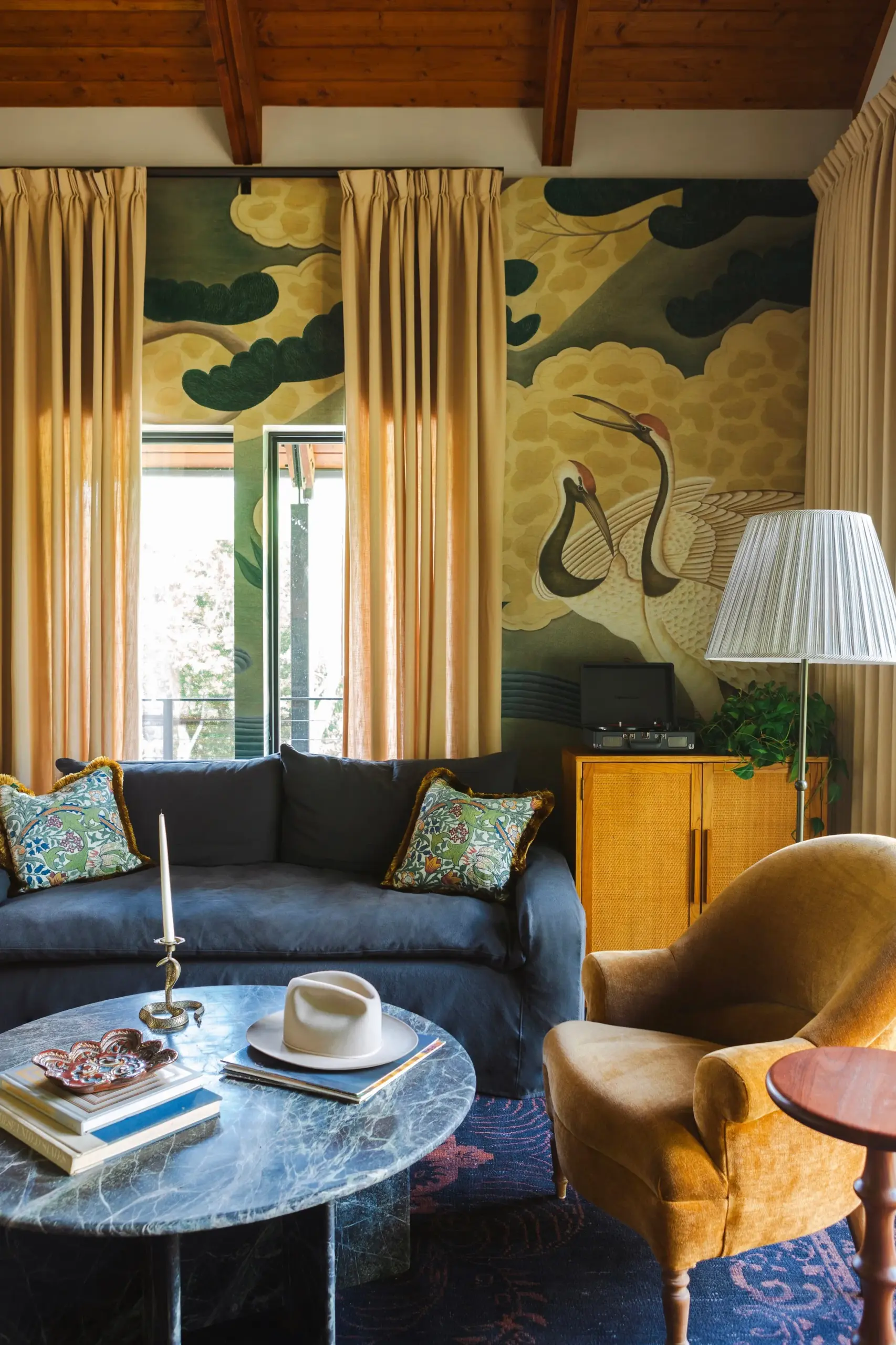

  • Small Space, Big Impact: 10 Smart Storage Solutions for Any Home

    Small Space, Big Impact: 10 Smart Storage Solutions for Any Home

    Most people think that small spaces = limited design options. But what if you could make your living room feel like a designer haven without sacrificing functionality? You’re not alone in thinking that cramped rooms need to feel cluttered or boring. In fact, savvy homeowners and interior designers swear by clever storage solutions that maximize both space and style. Whether you’re renting or owning a home, these ideas can transform your space—and even boost its resale value.

    The Real Reason Small Spaces Need Smart Storage

    Many renters assume that because they can’t make permanent changes, they’re stuck with bland, low-functionality furniture. But that’s simply not true. Designers consistently recommend renter-friendly upgrades that not only personalize your space but also give you a fighting chance to get your security deposit back. And when it comes to small living rooms, the right storage can mean the difference between a cozy retreat and a chaotic mess.

    “Keep the look curated and uncluttered,” says a top interior designer who specializes in compact homes. “That’s what separates a good small-space layout from a good small-space disaster.”

    But here’s the kicker: smart storage isn’t just about hiding things—it’s about creating visual harmony. A well-designed shelving unit can become a focal point, while a hidden bar—like the one in Jean Harlow’s estate—can add character without overwhelming the room. You don’t have to choose between aesthetics and function. Let’s explore how to make your small space work harder for you.

    Storage Solutions That Actually Work

    Not all storage ideas are created equal. Some are trendy but impractical, others are functional but dull. We’ve compiled the top 10 smart storage solutions that combine form and function for small living rooms. These aren’t just tricks—they’re proven strategies used by interior designers and homeowners alike.

    Solution Pros Cons Best For
    Multi-functional furniture Maximizes utility, saves space May limit design flexibility Renters, urban dwellers
    Vertical shelving Uses wall space efficiently Requires sturdy installation All spaces
    Hidden storage boxes Keeps clutter out of sight May be less accessible Busy households
    Under-bed storage Great for seasonal items Limited accessibility Bedrooms, guest areas
    Wall-mounted baskets Stylish, easy to organize May show wear over time Families with kids

    Why Vertical Storage Wins Over Horizontal

    When space is tight, vertical storage often becomes your best ally. While horizontal shelves might seem intuitive, they take up valuable floor space and can make a room feel cramped. On the flip side, vertical shelving draws the eye upward, making the ceiling appear higher and the room more open.

    This approach works especially well in small living rooms. Imagine stacking books and décor on tall shelves—no need for bulky side tables or coffee tables that crowd the center of the room. Plus, it’s a renter-friendly solution that doesn’t require nails or screws. As designers swear, “a well-placed bookshelf can be the most impactful piece in a small space.”

    And let’s not forget the psychological impact. When your walls are filled with organized content, it sends a message: this space is intentional, curated, and purposeful. It’s a subtle way to elevate the entire aesthetic without spending a fortune.

    How to Choose Storage That Matches Your Lifestyle

    Not all storage solutions suit every lifestyle. If you’re a frequent entertainer, consider a console table with built-in drawers. If you’re a book lover, a floating shelf system can showcase your collection without taking up floor space. And if you’re a renter, you’ll want to prioritize modular or removable options that won’t damage walls.

    One standout example is the prohibition-era bar found in Jean Harlow’s estate. While you might not need a full bar in your living room, the concept behind it is timeless: hidden functionality that adds character. You can install a small wine rack or display cabinet behind a mirror or panel—functional yet elegant.

    Smart Storage vs. Cluttered Chaos

    There’s a fine line between smart storage and cluttered chaos. A common mistake people make is buying too many containers without organizing them properly. Instead of just filling a shelf with random bins, ask yourself:

    • What am I storing?
    • How often do I access it?
    • Does it fit the overall aesthetic?

    When you align your storage choices with your daily habits, you’ll find that your space feels more intentional. And remember, the goal isn’t to hide everything—it’s to keep everything visible, accessible, and beautiful.

    Top 10 Storage Tips for Small Spaces

    1. Use the wall space—Install floating shelves or pegboards for a modern, minimal look.
    2. Invest in multi-use furniture—A bench with storage underneath can double as seating and a storage unit.
    3. Label everything—This helps you quickly locate items and keeps clutter under control.
    4. Choose neutral tones—They blend with any décor and make the room feel larger.
    5. Go vertical—Tall, narrow storage units draw the eye upward.
    6. Opt for clear or glass containers—They let you see contents while maintaining a clean look.
    7. Make it personal—Add decorative items like vases or books to break up storage.
    8. Think vertically—Use the height of your room to store seasonal items or rarely-used decor.
    9. Hide cables and cords—Use cord covers or outlets inside furniture to keep the space tidy.
    10. Try modular systems—These allow you to reconfigure as your needs change.

    FAQ

    How much does small space storage typically cost?

    Basic solutions like floating shelves or baskets can cost between $30–$100, while custom-built units may range from $200–$500 depending on materials and size.

    Are renter-friendly storage solutions durable?

    Yes, many are designed to be reusable and removable. Look for products with no-nail mounting or adjustable brackets to protect your walls.

    Can I DIY storage solutions?

    Absolutely. Many simple options like pegboards, floating shelves, and baskets are perfect for DIY projects and can be customized to fit your space.

    What Should You Do Next?

    If you’re ready to transform your small space, start by assessing what items are taking up the most room. Then, choose one or two storage solutions from our list above and implement them gradually. Remember: it’s not about doing everything at once. It’s about making smart, strategic decisions that lead to lasting results.

    Whether you’re moving into a new place or trying to revamp your current home, these tips offer a clear path to a smarter, more stylish living environment. And if you’re a renter, you’ll appreciate how these upgrades can also help you get your deposit back—without breaking the bank.

    The Future of Small-Space Design

    As urbanization continues and housing costs rise, the demand for efficient, flexible storage solutions is only going to grow. But what happens when the trend moves beyond just “smart” to “intelligent”? Will AI-powered storage systems or modular designs redefine how we think about space? Or will the classics—like a well-organized bookshelf or a hidden bar—always remain timeless?

    What we do know is this: small spaces don’t have to mean small lives. With the right mindset and tools, you can turn any corner of your home into a statement of style, order, and practicality. So why not start today?

  • How to Maximize Small Spaces with Smart Storage Solutions

    How to Maximize Small Spaces with Smart Storage Solutions

    Imagine walking into a tiny Parisian apartment and seeing bold paint colors, clever IKEA hacks, and a kitchen that feels spacious despite its compact size. Sounds impossible? Not anymore. In a world where every inch counts, smart storage solutions are your secret weapon for transforming cramped spaces into functional, stylish havens. Whether you’re dealing with a studio apartment or a narrow kitchen, the right strategies can make all the difference—without sacrificing aesthetics or practicality.

    Why Modern Storage Is Moving Inside the Wall

    Forget about stacking cabinets and filling every corner with bulky shelving. In 2026, the latest trend is moving storage inside the wall—a concept called kitchen niches. These built-in features replace traditional upper cabinets, creating a sleeker look while maximizing utility. According to Homedit’s 2026 kitchen niche guide, these recessed details can be carved into marble, tucked into cabinet fronts, or stacked vertically for visual rhythm.

    This shift isn’t just about looks—it’s about functionality. Before, kitchens felt cluttered because they were overloaded with visible storage. Now, with niches, surfaces stay clean and lines stay sharp. You’re not just adding more stuff—you’re rethinking how much you actually need.

    Here’s what makes this move so powerful: less bulk = more control. Instead of trying to fit everything in sight, you’re choosing what deserves attention. And when you do, it stands out beautifully. Think of it as a minimalist’s dream come true—where every element serves a purpose and nothing feels wasted.

    What Makes a Kitchen Niche Different From Traditional Cabinetry?

    Traditional cabinetry often means full-height shelves, deep drawers, and a lot of visual weight. But niches offer something else entirely. They act as subtle architectural elements that define zones without overwhelming the space.

    Take the marble niche cut into a continuous wall mentioned in Homedit’s article—this design doesn’t just store items; it creates a focal point. It’s a way to introduce texture and luxury without adding extra furniture or fixtures. Meanwhile, a hidden niche inside a flat cabinet front provides discreet storage that blends seamlessly into the background.

    So why does this matter? Because the right niche can turn a dull wall into a design statement. It gives you the illusion of more space while actually giving you more functionality. Plus, since these features are built-in, there’s no need for additional hardware or visible brackets—just smooth transitions between form and function.

    How Bold Colors Can Transform a Small Space

    When it comes to small spaces, color is your best ally. You might think neutral tones keep things feeling airy—but what if we told you that bold hues could actually make a room feel larger? That’s exactly what self-taught designer Amel did in her 700-square-foot Paris rental.

    By painting key areas in vibrant shades, she created depth and personality. Her use of maximalist touches—from patterned textiles to curated décor pieces—turned a bland space into a cozy yet dynamic home. She didn’t just decorate; she redefined what was possible in such a tight area.

    Here’s the real trick: use color strategically. Paint one wall a bold shade, or add accent pieces in rich tones. This draws the eye outward, making the room feel less confined. And unlike trendy wallpaper or overly busy prints, a few well-placed colors can last years—and even evolve with your lifestyle.

    What to Do With Unused Corners and Dead Space

    Most people overlook corners. But if you’re serious about maximizing space, those dead zones are goldmines. A compact corner niche, for instance, can hold spices, books, or even small appliances—without taking up valuable floor space.

    Consider how a stacked niche can create vertical structure while serving as hidden storage. It’s not just about fitting more stuff—it’s about organizing smarter. As noted in the Homedit piece, stacked niches can also serve as a design element, especially when paired with contrasting materials like wood or stone.

    But here’s the catch: dead space isn’t always dead. If you’ve got a corner that’s been ignored, now’s the time to give it new life. A simple IKEA hack—like mounting a shelf on the back of a door—can instantly double your usable surface area. And yes, those little nooks can house everything from cookbooks to cleaning supplies.

    Why Smart Storage Isn’t Just About More Shelves

    You’ve probably seen countless “storage hacks” online, but many fall short because they don’t consider the bigger picture. Real smart storage is about intentionality. It’s not about cramming everything in—it’s about making sure each item has a designated place and purpose.

    For example, closet organizers aren’t just about hanging rods or drawer dividers—they’re about creating systems that adapt to your daily routine. If you have a messy closet, you’re not just lacking storage; you’re lacking clarity. A good organizer helps you see what you own, access it easily, and keep it tidy.

    And speaking of systems, here’s a lesser-known tip: group similar items together. Don’t put your coffee mugs next to your tea cups unless you really want to mix them up. By grouping like items—like spices, utensils, or cleaning products—you reduce decision fatigue and increase efficiency. This may sound obvious, but it’s often overlooked in favor of flashy storage solutions.

    Common Mistake: Overloading Storage Without Planning

    One of the biggest mistakes people make is buying storage units without thinking through their actual needs. This leads to overstocking, which defeats the whole purpose of decluttering. Imagine filling a drawer with 50 items, only to realize you rarely use most of them. That’s not smart storage—it’s just another kind of clutter.

    Instead, ask yourself: How often do I use this? If the answer is once a month or less, maybe it doesn’t belong in a frequently accessed spot. And if you’re still unsure, consider using a labeling system or a digital inventory tool to track what you own. It sounds simple, but it changes everything.

    Another common error? Choosing storage based solely on appearance. While aesthetics matter, remember that form follows function. A beautiful shelf that’s hard to organize is ultimately useless. So prioritize both beauty and usability.

    What Should You Do Next?

    If you’re ready to transform your space, start by auditing what you already have. Take a photo of each room and identify where you’re wasting space or struggling with accessibility. Then, decide whether you want to go for a modern niche installation, a bold paint job, or a smarter closet setup.

    Try this: pick one small area—say, your kitchen pantry or bathroom cabinet—and apply the principles above. Use a niche idea from Homedit, add a pop of color, and implement a labeling system. Within a week, you’ll notice the difference. You won’t just have more storage—you’ll have better organization.

    And remember: small spaces don’t have to mean small lives. With the right mindset and tools, even the tiniest corners can become functional, beautiful, and uniquely yours.

    Final Thought: Are You Ready to Redefine Your Space?

    As we continue to live in smaller homes, the pressure to make every square foot count grows stronger. But instead of seeing limitations, let’s embrace them as opportunities. What if the next big thing in home design isn’t about bigger rooms—it’s about smarter thinking?

    What would happen if you stopped treating your space like a problem to solve and started treating it like a canvas to create on? Would you dare to experiment with bold colors, built-in niches, or a completely reimagined storage plan? The future of home organization isn’t just about fitting more stuff—it’s about making every item work harder for you.

  • Why Visual Clutter Feels Exhausting: What Attention Research Means for Drawer, Closet, and Open-Shelf Storage

    People often talk about clutter as if it were a moral problem. You are either disciplined enough to stay organized or you are not. That explanation misses what makes clutter so draining in the first place. A messy drawer, an overstuffed shelf, or a closet with too many visible edges does more than look untidy. It asks the brain to sort, suppress, and re-evaluate more information than it should have to handle during ordinary tasks.

    That is why some rooms feel tiring before any physical work begins. You walk in to put away laundry, grab a belt, or find a charging cable, and your energy drops almost immediately. It is not laziness. It is friction. The environment is making the simple act of finding, deciding, and putting away more expensive than it needs to be.

    Attention research helps explain this. Work from Princeton-connected researchers and related visual-attention literature has long shown that when multiple objects compete in view, the brain has to work harder to privilege the information that matters and suppress what does not. More recent federal vision-science reporting on “visual clutter” describes the same broad point from another angle: too much competing information in the visual field can make identification and selection less efficient. Household research points in a related direction. Studies on household chaos and stress suggest that disorganized environments do not simply reflect pressure; they can help sustain it.

    For home organization, this is useful because it shifts the goal. Storage is not only about fitting more into the same footprint. Good storage reduces competition. It lowers the number of decisions required to complete ordinary actions. That is the real reason a well-designed drawer system, shelf divider, or closet organizer can make a room feel calmer without changing the square footage at all.

    Clutter is not just volume. It is unresolved visibility.

    A full pantry is not automatically stressful. A full pantry becomes stressful when the eye has to scan too many labels, shapes, and categories every time you open the door. The same is true for drawers and closets. High volume can still feel efficient if each object has a stable place and if only the relevant objects are visible at the moment of use. Low volume can feel chaotic if unrelated items compete inside the same visual zone.

    This distinction matters because many people solve the wrong problem. They buy bigger bins when what they really need is narrower category boundaries. They add another shelf when the real issue is that folded clothing, handbags, batteries, travel pouches, and backup linens are all competing in one sightline. The environment looks packed, but the deeper issue is that nothing is edited.

    The practical takeaway is that a calmer home usually comes from reducing visible decisions, not only from reducing total belongings. Storage that groups like with like and limits what is seen in one glance gives the brain less to filter.

    Drawer systems work best when one drawer means one decision

    Drawers are powerful because they let you hide visual noise. But they only create relief when the inside of the drawer is also structured. A drawer that contains cords, spare hardware, receipts, pens, batteries, measuring tape, gift tags, and sticky notes is not organized simply because it closes.

    The best drawer layouts follow a “one decision” rule. When you open the drawer, your brain should understand immediately what kind of action happens there. Underwear. Daily skincare. Kitchen prep tools. Device charging. Office writing supplies. Once that rule is clear, dividers start doing their real job. They are not there to make the drawer look precious. They are there to keep category boundaries stable so the drawer still makes sense on a busy Wednesday, not just the day after a reorganization burst.

    Modular inserts are especially useful here because they let the storage adapt to the object mix instead of forcing the object mix to adapt to a rigid tray. If your drawer habits change seasonally or if household members share storage, that flexibility becomes more important than perfect symmetry.

    Closets fail when vertical space is visible but functionally undefined

    Closets are one of the most common places where visual clutter and wasted volume overlap. Many closets technically have enough cubic space, but the space is poorly segmented. A rod, a fixed shelf, and a pile of “temporary” items create a layout where the eye sees too much and the hand can reach too little. The result is decision fatigue every single morning.

    A more useful closet starts with zones. Daily-use clothing should sit in the easiest reach band. Secondary items can move higher or lower. Shelf dividers matter because they stop fabric stacks from collapsing sideways into one another, which is one of the fastest ways to turn a tidy closet back into a visual negotiation. Hanging organizers matter because they convert dead vertical air into visible, stable assignments.

    The goal is not to make every shelf Instagram-clean. It is to create enough structure that the closet keeps working under normal pressure: laundry days, rushed mornings, weather changes, and shared family use. When the space still makes sense during those moments, the system is good.

    Open shelves should not carry your entire visual load

    Open storage is useful, but it becomes counterproductive when it forces every possession to stay visually active. This is where many otherwise attractive organization projects go wrong. Clear acrylic, open cubbies, and exposed stacking can look efficient, yet still leave the room feeling mentally busy if too many unrelated forms remain visible at once.

    The answer is not to ban open shelves. It is to decide which categories deserve visibility. Frequently used items, attractive uniform containers, and things that benefit from fast grab access do well in open storage. Backup stock, odd shapes, emotionally neutral supplies, and irregular overflow usually do better behind a drawer front, inside a lidded bin, or in a closet zone that does not shout for attention.

    In other words, display and storage are not the same task. Treating them as the same task is one reason people end up with beautiful shelves that still make the room feel noisy.

    Clear bins are not always the answer

    Transparent containers are extremely useful when identification speed is the bottleneck. Pantry backstock, hardware, craft supplies, and seasonal accessories often benefit from quick visual confirmation. But clear bins can backfire when they preserve too much visual variety. A transparent bin full of mixed grooming products, spare chargers, or children’s small toys still asks the eye to parse a lot of information.

    A simple rule helps: if recognition is the problem, go clearer; if overstimulation is the problem, go calmer. Labels can replace full visibility when the category is stable. Many homes need both. Clear for some tasks, opaque or semi-opaque for others.

    A practical storage plan should lower search time, not increase maintenance time

    People abandon organization systems when the maintenance cost is higher than the everyday benefit. This is why overly precious methods fail. If folding standards are too strict, bins are too deep, or dividers are too small for real objects, the system becomes a performance rather than a support.

    Stronger systems usually share a few qualities:

    • Easy resets: items can be returned in seconds without delicate arranging.
    • Visible logic: household members can understand the layout without needing a lecture.
    • Category honesty: a drawer or shelf is not pretending to do three unrelated jobs.
    • Scalable pieces: you can add or remove modules as routines change.

    That is why modular closet and drawer components tend to outperform one-off improvised fixes. They give the system room to adapt while preserving boundaries.

    A 20-minute reset method that actually holds up

    If a room already feels visually noisy, start small. Pick one drawer, one shelf, or one closet section and ask three questions:

    1. What activity is this zone supposed to support?
    2. What objects belong to that activity every week?
    3. What objects are here only because there was empty space once?

    Remove the third group first. Then group the weekly-use items by actual use sequence, not by vague similarity. In a closet, that might mean daily tops together, then workwear, then occasional wear. In a drawer, that might mean chargers with adapters, not chargers with random “tech stuff.” Finally, add dividers or bins only after the category logic is clear. Containers cannot solve ambiguity they only preserve it.

    Final takeaway

    Better storage is not valuable because it looks disciplined. It is valuable because it reduces cognitive drag. When the environment stops forcing unnecessary visual choices, getting dressed, putting things away, and finding what you need all become easier. That improvement is why a good drawer organizer or closet system feels so disproportionately satisfying. It is not magic. It is reduced friction.

    If you are reworking your space, buy storage like you are buying time and attention, not just containers. Favor pieces that create stable boundaries, protect vertical structure, and make resets faster than disorder. If you want modular options that support that kind of layout, start from the OrganizeLife shop and choose systems that match the real way your household uses the room.

    Selected references and further reading

  • Step-by-Step: Maximizing Closet Space with Adjustable Shelf

    Understanding the Value of Vertical Storage

    Closets often suffer from the “one and done” design flaw. Builders shove in a single rod and a fixed shelf, call it a day, and you’re left with a foot of dead air above your hanging clothes. Adjustable shelf organizers fix this by turning that vertical void into usable real estate. The core concept is simple: instead of stationary wood that traps you into a layout, you use metal tracks and brackets that clip into place at arbitrary heights. This means your storage grows and shrinks with your wardrobe, not against it.
    I’ve seen setups where people double their storage capacity just by adding a second shelf unit above the first one. It’s not magic; it’s just utilizing the 6 to 8 feet of vertical space that standard closets ignore. The adjustability is the key selling point. You aren’t committing to a permanent drill hole in the wall every time your seasonal wardrobe changes.

    Assessing Your Closet Before You Buy

    Don’t just click “add to cart” on the first set of racks you see. You need to know what you’re working with, or you’ll end up with returns and frustration. Grab a tape measure and a notepad.

    • Depth: Standard closet depth is usually 24 inches. Your shelves should be about 12 to 14 inches deep so clothes don’t bump into the wall when you hang them, but they aren’t so deep that items get lost in the back.
    • Width: Measure the wall space between the side jambs. Most organizers come in widths like 24, 36, or 48 inches. If you have a weird width, like 43 inches, you might need to cut a shelf or buy a specific kit.
    • Vertical clearance: How much room do you have above the existing rod? If it’s less than 12 inches, you might only fit a shallow shoe shelf. If you have 30+ inches, you can stack a hanging rod underneath a shelf.
      Pro tip: Check the backing material. If your closet has drywall backing, you need to find the studs or use heavy-duty anchors. If it’s the back of the drywall from the room (which is often thin), be careful not to punch through into your bedroom.

    Essential Tools and Hardware

    You don’t need a workshop full of tools, but trying to install these with a cheap screwdriver will make you hate the process. Here is the bare minimum kit that makes the job bearable.

    • Power Drill/Driver: Essential. Don’t try to drive wood screws into studs by hand.
    • Stud Finder: A magnetic one works fine, but an electronic one is faster. You really want to hit wood if you’re storing heavy winter coats.
    • Level: A 2-foot torpedo level is perfect. The tracks must be perfectly vertical, or the brackets won’t sit level.
    • Pencil: For marking your holes.
      Regarding the shelf material itself, wire ventilated racks are common and cheap, but they leave crease marks on sweaters. Solid wood or melamine boards look cleaner and protect delicate fabrics better. If you go with wire, consider lining them with shelf liner.

    Step-by-Step Installation Process

    This is the part where most people mess up by rushing. Take your time. The prep work takes longer than the actual installation.

    1. Mark the Track Location: Hold the vertical track up against the wall. You usually want the track about 2 to 4 inches in from the side wall to allow for hanger movement. Use your level to draw a straight vertical line.
    2. Find the Studs: Use your stud finder to mark the locations on your vertical line. You want at least one screw per track going into a stud. If the track is long (like 48 inches), you ideally want two stud screws.
    3. Pre-Drill and Drill: If you hit a stud, drill a small pilot hole to prevent splitting the wood. If you are in drywall only, use the appropriate anchor. Secure the top screw first, then use the level to ensure the track is perfectly straight before driving in the bottom screws.
    4. Install the Second Track: Repeat for the other side. This is where mistakes happen. The tracks must be parallel to each other. If the left track tilts right and the right track tilts left, your shelf will wobble. Measure the distance between the tracks at the top and bottom to ensure it matches.
    5. Clip in the Brackets: Decide where you want your shelf height. Snap the brackets into the slots on the tracks. They should make a satisfying “click” sound. Give them a tug to make sure they are locked.
    6. Place the Shelf: Set the shelf on top of the brackets. Some brackets come with small screws to secure the shelf to the bracket so it doesn’t slide around. Use them.

    Optimizing Your Layout for Different Items

    Now that the hardware is up, how do you arrange it? The beauty of adjustable systems is that you can customize zones.

    • Double Hang: Install a top shelf for folded items, and use two hanging rods below. Place the top rod about 40-42 inches from the floor and the bottom rod about 20 inches up. This doubles your hanging space for shirts and pants.
    • Long Hang: Keep one side full-height for dresses and coats. Use the adjustable brackets to move the shelf up high (around 80 inches) to maximize the vertical drop.
    • Shoe Wall: Use flat brackets and set the shelves close together—about 7 to 9 inches apart depending on your shoe height. This turns a messy floor pile into a neat display.
    • Handbag/Bin Storage: These need more vertical height. Space shelves 12-15 inches apart. Use clear plastic bins so you can see what’s inside without pulling everything down.
      I found that rotating my wardrobe seasonally helps. In winter, I lower the shelves to accommodate bulky boots. In summer, I raise them to fit beach bags and hats.

    Troubleshooting Common Issues

    Sometimes things don’t go as planned. Here are fixes for the headaches I’ve encountered.

    • Sagging Shelves: If your shelf is plywood or MDF and it sags in the middle, you need a center support track. Most kits allow you to add a third vertical track in the middle for wider spans.
    • Brackets Slipping: If the brackets won’t lock into the track, check if there is a paint glob or drywall dust in the slot. Clean it out with a flathead screwdriver.
    • Wall Damage: If you strip a screw hole in drywall, push a wooden matchstick or a plastic anchor into the hole and try again. It gives the screw something to bite into.
    • Doors Interfering: If your closet has bi-fold doors, make sure your shelves aren’t too deep. If a shelf is 16 inches deep and the door opens in, the door will hit your stuff.
      Adjustable shelf organizers aren’t the cheapest solution upfront, but they are the only ones that adapt when your life changes. Spend the afternoon installing them right, and you won’t have to look at a pile of laundry on the floor ever again.
  • How to Choose the Right Modular Drawer System for Your Wardr

    What Actually Are Modular Drawers?

    Let’s be honest about the “chair” in your bedroom. You know the one. It’s currently serving as a vertical wardrobe for three days’ worth of clean clothes. That’s usually the sign you need a better storage solution. Modular drawer systems are essentially LEGOs for your closet. Instead of buying a heavy, pre-built dresser that you have to hoist up a flight of stairs and pray fits through the door frame, you buy individual components—frames, boxes, inserts—that you stack or slide together.
    The core elements are pretty simple. You have the carcass or the frame, the actual drawer boxes, and the internal dividers. The difference between these and a standard IKEA dresser is the “modular” part. You aren’t stuck with a 4×4 grid forever. If you realize you need more space for hanging pants and fewer shallow drawers for socks, you can theoretically rebuild the thing without buying a whole new unit. It sounds expensive, but it doesn’t have to be.

    How They Fit Together (The Mechanics)

    Here is where most people mess up: depth. You really need to measure your wardrobe space twice. If your closet is 20 inches deep and you buy 24-inch drawers, you have a problem. You also have a problem if you buy drawers that are too shallow, leaving a weird, useless gap at the back. I hate that gap. It’s just a trap for dust bunnies and lost socks.
    The mechanism is the other big factor. There are generally two ways these things work: free-stacking or rail-mounted. Free-stacking is just what it sounds like—drawer units stacked on top of each other. It’s stable if you anchor it to the wall, which you absolutely should do. Rail-mounted systems (like the Elfa style) hang from a horizontal track. Those are fantastic if you rent an apartment because you don’t have to drill a million holes into the back wall; you just need one secure track.
    Then there are the slides. Cheap drawers use friction slides—wood rubbing on wood or plastic on plastic. They suck. They stick, they jam, and they are annoying. Look for ball-bearing slides. They let the drawer float out smoothly. If you can afford soft-close, get it. There is something deeply satisfying about shoving a drawer shut and having it glide silently into place instead of slamming like a car door.

    The Stuff That Actually Matters

    Material quality is the silent killer here. A lot of these systems look great in photos but are made of particle board that turns to mush if you look at it wrong. If you live in a humid place, stay away from cheap composite materials unless they are well-sealed. I’ve seen MDF swell up so much it jammed the drawers permanently shut. Solid wood is great but heavy and expensive. Plywood is usually the sweet spot—it’s stable, strong, and lighter than solid hardwood.
    You also need to look at weight capacity. This is boring until you fill a drawer with heavy denim jeans and the bottom falls out. Check the specs. If the rating is under 20 pounds per drawer, keep walking. That’s not enough for real life.
    The modularity itself varies. Some brands let you mix and match drawer heights and widths freely. Others lock you into a specific configuration. I prefer the flexible ones. Life changes. Maybe today you need a place for your sneaker collection, but in two years, you need storage for baby clothes. Being able to swap a tall shoe drawer for rows of small sock dividers without buying a new system is the whole point.

    Where This System Makes Sense

    These systems shine in reach-in closets—the standard ones with sliding doors found in most apartments. Usually, those closets just have a single hanging rod and a shelf that is impossible to reach. By installing a modular floor system, you double your storage space. I helped a friend redo a tiny 5-foot closet in a studio apartment last month. We went vertical. We put floor-to-ceiling drawer towers on the sides and kept the hanging space in the middle. It looked like a high-end boutique.
    They are also great for garage mudrooms or entryways, where you need a mix of open storage for baskets and closed storage for gloves and hats. The value isn’t just that it holds your stuff; it’s that you can actually find your stuff. When every pair of socks has its own little square, you stop buying new socks because you can’t find the old ones. That saves money in the long run.

    Mistakes I See People Make

    The biggest error is over-planning or under-planning. People try to map out every square inch of their lives on a spreadsheet before buying anything. Don’t do that. You don’t know what you actually need until you start folding your clothes. Buy a base unit, live with it for a week, and then buy the add-ons.
    Another mistake is ignoring the aesthetic. You have to look at this furniture every single day. Some of the wire-frame systems look incredibly industrial and cold. If you want a cozy bedroom vibe, a wire grid might ruin the mood. On the flip side, solid wood drawers might look too heavy in a minimalist space. It needs to match your personality, not just the dimensions of the room.
    Finally, think about the “move” factor. If you move houses often, avoid systems that require permanent glue or complex bolt-together frames. Look for snap-together or wire units that break down flat. Trying to move a fully assembled, 7-foot tall modular tower is a nightmare. It will wobble, it will scrape the walls, and you will swear never to do it again. Get something that disassembles easily. Your back will thank you.

  • DIY Guide: Turn a Messy Closet into a Boutique with Stackabl

    Assessing the Chaos

    Stand in your doorway and look at the floor. You probably have a pile of clothes. The hanging rod might be bent from too many coats. This isn’t a closet. It’s a storage unit with a door. To fix it, you need stackable drawers. They are simple plastic boxes. They utilize vertical space. But you cannot just buy a truckload and throw them in. You have to look at what you own first. Take everything out. It will look worse before it looks better. That is part of the process.

    The Mechanics of Stacking

    Most drawers rely on small grooves or tabs on the top rim. You slide one drawer onto the lid of the one below it. It clicks. This keeps them from sliding around when you pull one out. But plastic has limits. If you stack them too high, the tower leans. Stability is the priority here. Put the heavy stuff on the bottom. Sweatshirts and jeans go low. T-shirts and socks go high. It is basic physics. Ignore it, and the whole thing tips over when you try to grab a pair of socks.

    Choosing the Right Bin

    Clear bins let you see the T-shirts inside. Opaque bins look cleaner, but they hide the mess. Touch the plastic. Thin material bows outward when you fill it with denim. Thick plastic holds its shape. Check the rails. Some drawers glide out on tracks. Others just scrape against plastic. Give it a pull at the store. If it sticks in the aisle, it will stick in your closet. You want smooth action. You do not want to fight with your laundry every morning.

    The Folding Technique

    The drawers do not fold the clothes. You do. If you shove them in wadded up, you just have a neat drawer full of wrinkles. Fold T-shirts into rectangles. Stand them up vertically. It looks like a filing cabinet. You can see every shirt’s design. You pull one out, and the others stay put. This creates that boutique look. It feels organized. It saves time. You do not have to dig to the bottom to find your favorite shirt.

    Common Pitfalls

    Do not overfill. If the drawer does not close, take something out. Forcing it breaks the tabs. Watch the depth, too. Deep drawers hold a lot, but the items at the bottom get lost. Shallow drawers are better for smaller items. Measure your space. Measure again. A gap of two inches on the side is wasted space. It collects dust. Plan the layout before you buy. It saves a return trip to the store.

  • Mom-Approved: Modular Toy Storage That Keeps Kids’ Rooms Tid

    What Is Modular Toy Storage?

    Modular toy storage isn’t just a fancy name for a plastic bin. It’s a system built on interchangeable units—cubes, rectangular baskets, and stacking frames—that you can rearrange as your kid’s interests change. Think of it like Lego bricks for organizing clutter. You start with a base frame, usually a cube organizer, and fill it with different types of containers suited for specific toys. The beauty lies in the customization. If you have more stuffed animals than Hot Wheels, you swap a solid cube for an open bin. If you move houses, the unit breaks down flat or reconfigures to fit a narrower wall. It’s designed to grow from the Duplo years right through to the video game console era without needing a total replacement of the furniture.

    How the System Actually Works

    The core mechanism relies on segregation and containment. Instead of one giant toy chest where everything gets lost at the bottom, you assign a specific “home” for each category of toy. A standard setup usually starts with a 6-cube or 9-cube organizer frame. Each cube is roughly 11 to 13 inches wide. You then insert fabric bins, plastic drawers, or open shelves into these slots.
    Here is the logic that makes it functional:

    1. Categorization: LEGOs go in one bin, action figures in another, art supplies in a third.
    2. Accessibility: The bins are lightweight enough for a 4-year-old to pull out, dump, and (hopefully) put back.
    3. Visual Limits: When a bin is full, the kid sees that there is no room for more toys. This naturally forces a cleanup or a donation purge.
      It works because it reduces the cognitive load on the child. They don’t have to “clean the room.” They just have to “put the red blocks in the red bin.”

    Non-Negotiable Features for Safety

    When you’re shopping for these systems, safety is the biggest deal-breaker. I’ve seen cheap units bow under the weight of books, and I’ve seen tall ones tip over during a game of tag. You need to look for specific structural elements.

    • Wall Anchors are Mandatory: Any unit taller than 3 feet needs to be strapped to the wall. Look for metal brackets in the box. If it doesn’t come with them, buy heavy-duty L-brackets and screws yourself.
    • Rounded Edges: Toddlers run. They fall. Sharp corners on MDF or particle board are dangerous. Look for edge banding that is smooth and peeling-resistant.
    • Material Thickness: Flimsy 1/8-inch board will warp after a year. You want at least 15mm (5/8 inch) thickness for the frame if it’s going to hold heavy books or wooden train sets.
    • Weight Capacity: Check the specs. A高质量 cube should hold 20 to 50 pounds. If the rating is vague, skip it.
      Also, skip the lids on the bins. Kids won’t use them, and they become finger-pinch hazards or just extra clutter on the floor. Open bins are faster.

    Best Spots to Set Up Shop

    You don’t need a massive playroom to make this work. The modular nature of these units allows them to fit into awkward spaces that traditional furniture can’t handle.

    • Under the Window: A low 2×3 unit (about 30 inches high) acts as a bench and storage. It’s the perfect height for a kid to sit and look outside, and the top surface can hold a lamp or a few picture books.
    • Closet Conversion: If you have a reach-in closet, remove the hanging rod (or move it up high). Install stackable drawers or cubes on the floor. This hides the visual mess behind a closed door, making the bedroom look instantly tidy.
    • Room Dividers: In a shared bedroom, a back-to-back configuration of two 2×4 units can create a separation between play areas and sleeping areas. Just ensure you anchor them heavily so they don’t topple onto each other.
      For living rooms, look for wood-look finishes or white units that blend with adult furniture. Avoid primary-colored plastics unless it’s strictly for a designated play zone.

    Real-World Usage Tips

    I’ve set up dozens of these systems, and the ones that fail are usually the ones that are too complicated. Here is what actually works in a busy household.
    Label Everything: Even if your kid can’t read, use picture labels. Print out a picture of a car and tape it to the “car bin.” Use a label maker for the arts and crafts bin. It stops the “where does this go?” negotiation before it starts.
    Don’t Overfill: I made this mistake early on. If you stuff a fabric bin to the brim, the kid has to dump the whole thing out to find the one toy at the bottom. Keep bins only 75% full. It makes cleanup faster.
    Rotate the Stock: You don’t need 50 toys available at once. Keep 4 bins accessible. Fill the other 4 cubes with “off-season” toys and put lids on them (or store them in a closet). Swap them out every month. The old toys feel like new again, and the room stays less chaotic.
    Check the Hardware: Every six months, grab a screwdriver and tighten the cam locks and shelf pins. These units settle and loosen over time, especially if kids are climbing on them. A minute of tightening prevents wobbles and keeps the structure solid for years.

  • Small Bedroom? Here’s How Modular Drawers Can Replace a Bulk

    What Modular Drawers Actually Are

    A standard dresser is a single, heavy box. You buy it, you drag it upstairs, and it sits there until you move out. Modular drawers are different. They are individual cubes or stacks of drawers that function as building blocks. You buy one, or you buy five. They don’t have to touch each other, but they can. The system relies on a frame or interlocking design that lets you stack them vertically or line them up horizontally. This changes the furniture from a static object into a layout you can edit. If you move apartments, you don’t need a moving truck with a ramp. You just carry them one by one down the stairs.

    The Space-Saving Mechanics

    The main advantage here is using vertical real estate that usually goes to waste. In a small bedroom, floor space is the most expensive currency. A wide, low dresser claims a large strip of land for storage. Modular units go up. You can run a stack of drawers from the floor to the ceiling, occupying a footprint no larger than a laundry basket. This leaves the rest of the room open for circulation. Another mechanism is the ability to fit into irregular spaces. If you have a nook next to a closet door that is 20 inches wide, a 30-inch dresser won’t fit. Two 10-inch drawer modules will. They fill the gaps that traditional furniture ignores.

    Key Features to Check

    Don’t just look at the picture. Check the weight limit. If you plan to stack them four high, the bottom unit needs to support the weight of the three above it plus your clothes. Look for steel-reinforced frames. Particle board bows over time. Test the drawer extension. Cheap modules only come out halfway. You want full extension runners so you can see socks hiding in the back corner. Another detail is the top surface. If you are stacking, make sure the top is finished and flat, not just an open frame. You might want to put a lamp or a book on top of the stack later. If it’s just a rim, your stuff falls through.

    Setting Up in a Small Room

    Start by measuring the clearance. Open your closet door and measure the arc it swings through. That is dead space for storage. Mark that zone on the floor. Now, look for the remaining solid ground. Place the tallest stack in the corner opposite the door to balance the room visually. If you use the modules as a bedside table, keep the height low—maybe one or two units. You don’t want to roll over and bang your elbow on a sharp corner. For the main storage, arrange the modules in an ‘L’ shape. This tucks them into the corner and gives you a flat, wide surface on top to act as a desk or vanity. Secure them to the wall with the provided brackets. It is not optional in a rental.

    Common Mistakes to Avoid

    The biggest error is ignoring the wall anchors. Tall stacks are top-heavy. If you yank a stuck drawer hard, the whole thing can tip forward. Fasten it. Another mistake is mixing depths. Some systems allow shallow and deep drawers in the same stack. It looks cool, but it creates a ledge. Dust collects on that ledge, and clothes get lost in the shadow. Stick to one uniform depth for the stack unless you have a specific plan for the mismatch. Lastly, don’t overfill the bottom drawer. It bears the most load. If you stuff it with heavy jeans, the glide tracks will warp, and the drawer will stick every time you try to open it.

  • For Minimalists: How Smart Storage Solutions Keep Your Home

    What “Smart Storage” Actually Means

    Let’s get one thing straight: “smart storage” isn’t just about buying expensive plastic bins or installing a Wi-Fi-connected closet. I’ve seen people spend thousands on systems that look great in a catalog but fail the second they actually try to live with them. True smart storage is about psychology as much as it is about physics. It’s designing a space that anticipates your laziness.
    We are all lazy. If opening a cabinet takes two steps, you’ll leave your keys on the counter. If the laundry hamper has a lid, you’ll pile clothes on top of it. Smart storage removes the friction between “I have this item” and “this item is put away.” It’s not about being neat; it’s about building an environment where it’s harder to be messy than it is to be tidy.

    The Mechanics of a Tidy Space

    The core principle here isn’t rocket science, but people ignore it constantly. It’s called “decrease friction.” Every item you own needs a designated parking spot, and that spot needs to be easier to access than leaving the item out.
    Verticality is the other big one. Most of us ignore the walls and the space above our heads. We live in the first six feet of a room and forget the rest. Floor-to-ceiling shelving isn’t just for libraries. In a small apartment, it’s the only way to breathe.
    There is also the concept of “velocity.” Items you use every day—your phone charger, your coffee mug—need to live at arm’s reach. Things you use once a year, like that giant turkey roaster or holiday decorations, can live in the “Siberia” of your home: the high shelves, the back of the closet, or under the bed. If you are constantly moving your everyday stuff out of the way to get to your seasonal stuff, your system is broken.

    Features That Actually Work

    When you are looking for solutions, ignore the buzzwords. You don’t need “revolutionary” designs. You need utility.
    First, look for modularity. Your life changes. You buy new shoes, you get rid of old hobbies, you move. A rigid shelving unit is a liability. You want adjustable shelves, movable baskets, and stackable bins. If you can’t take it apart and reconfigure it in ten minutes, don’t buy it.
    Second, prioritize visibility. I cannot stress this enough. Opaque bins are where things go to die. If you can’t see into a drawer or a box, you will forget what’s in there. You will buy duplicates. You will let things rot. Clear bins, wire baskets, and open shelving force you to confront your stuff. It sounds harsh, but it works.
    Third, consider “dead space” utilization. Over-the-door racks are ugly, but they are incredibly effective. The inside of cabinet doors is prime real estate. Under-sink organizers turn a chaotic cavern into a usable zone. These aren’t flashy upgrades, but they double your storage capacity without adding a single square foot to your home.

    Where This Fits in Real Life

    Let’s talk about the kitchen, because that’s usually ground zero for clutter. The “junk drawer” is a universal phenomenon, but it doesn’t have to be a disaster. Use a drawer divider with small compartments for batteries, rubber bands, and takeout menus. No, it won’t look like a magazine shoot, but it stops you from dumping everything in a tangled mess.
    In the entryway, the drop zone is critical. You walk in, you take off your coat, you drop your bag. If there isn’t a hook and a shelf right there, your furniture becomes the coat rack. A bench with hidden storage inside is a game-changer here. It’s a place to sit, and the shoes get hidden immediately. Out of sight, out of mind.
    For closets, stop trying to hang everything. Folded items stack better on shelves than in a wobbly pile. Use shelf dividers to keep the stacks from toppling over like a Jenga tower. And please, match your hangers. It sounds like a weird obsession, but when all your hangers are the same size and shape, your clothes hang evenly, and you can actually see what you own.

    The Trap of Perfection

    There is a dark side to the minimalist trend. It makes people feel like their homes are never good enough. You see these photos of white rooms with one chair and a succulent, and suddenly your book collection feels like “clutter.”
    Don’t fall for it. Minimalism isn’t about owning nothing; it’s about owning only what serves you. Smart storage helps you manage the things you love, not punish you for having them. If you have a sprawling Lego collection or a library of cookbooks, you don’t need to throw them away. You just need a system that houses them respectfully so they don’t take over your life.
    The goal isn’t to live in an empty box. The goal is to walk into your living room on a Friday night and not feel immediately stressed by the visual noise. It’s to know exactly where the tape is when a package needs to be sealed. It’s about functionality winning over aesthetics, even if—ironically—that functional clarity ends up looking pretty good anyway.

  • Simple Tricks To Stop Your Drawer Organizers From Sliding

    The Daily Annoyance

    You pull the drawer open. The plastic organizer slides to the back, hitting the wood with a dull thud. Your socks are tangled in a mess because the divider didn’t stay put. You shove it back to the front. Close the drawer. Open it again. It’s slid back.
    This is the problem with smooth drawer bottoms and lightweight organizers. Friction fails. The whole system falls apart. You bought the organizers to save time, but now you’re fiddling with them every morning.

    Rubber Shelf Liner

    The standard fix is rubber liner. You buy a roll of that non-slip matting with the waffle texture. Cut it to fit the bottom of the drawer.
    Lay it down flat. Place the organizer on top. The rubber grips the wood, and the rubber grips the plastic. It doesn’t slide much. It works well for lighter items like cutlery or office supplies.
    If you don’t want to line the whole drawer, just cut small squares. Stick them to the four corners of the organizer’s base. It uses less material and does the same job. Just make sure the drawer is clean before you put it in. Dust acts like ball bearings.

    Double-Sided Tape or Velcro

    For something more permanent, use adhesive. A strip of double-sided tape works. Stick it to the bottom of the tray and press it firmly onto the drawer floor.
    Velcro is another option. Stick the hook side on the organizer, the loop side in the drawer. It holds well. You can still pull the organizer out if you need to rearrange things.
    Be careful with finished wood. If the adhesive is too strong, peeling it off might strip the stain or varnish. Test a small spot first if you care about the drawer looking perfect. If it’s a junk drawer in the kitchen, go ahead and glue it down.

    The Foam Spacer Trick

    Sometimes the organizer is just too small. There’s a gap on the side. Every time you close the drawer, the momentum shifts the organizer to the back.
    Fill the gap. Take a piece of foam core board or even a cut-up pool noodle. Measure the gap between the organizer and the drawer wall. Cut the foam slightly larger than the gap. Wedge it in.
    This creates tension. The organizer is held in place by pressure from the sides. It won’t slide. It’s a temporary fix, but it costs almost nothing. If the foam compresses over time, cut a new piece.

    Measure Before You Buy

    The best way to stop sliding is to buy organizers that fit. Modular drawer and closet organizers are designed to be mixed and matched, but they still rely on dimensions.
    Don’t guess. Empty the drawer. Take a tape measure. Measure the interior width, depth, and height. Note the location of the drawer slide hardware underneath—it eats up space.
    Look for organizers that claim to be “adjustable” or “expandable.” These have a spring-loaded mechanism that pushes against the drawer walls. They lock in place. It is a much cleaner solution than duct tape or foam scraps.
    Buying the right size saves you from buying tape, liner, or glue later. It fits once and stays there.

  • The Science Behind Why Modular Storage Keeps Homes Tidier Lo

    Defining the System

    Most storage is static. You nail a shelf to the wall, and it stays there. If your library grows or your shoe collection shrinks, the shelf doesn’t care. It mocks you with its fixed dimensions. Modular storage is different. It is a framework, not a fixture. Think of it less like a built-in cabinet and more like a grid of possibilities. You have a base, usually a steel frame or a track system, and then you have components that slide, clip, or stack into that base. The key is the interface. If you can lift a bin out with one hand and slide a divider over with the other, the system works. If you need a drill and a level to make a change, it’s just furniture.

    The Cognitive Load of Clutter

    There is a concept in home organization psychology called “decision fatigue.” Every object in your house that doesn’t have a home forces your brain to make a micro-decision every time you look at it. Where does this go? Should I keep it? Why is it here? Modular storage reduces this load by creating clear boundaries. When a drawer is divided into four cubes, the decision is made for you. This item goes here. That item goes there.
    I watched a client try to organize a junk drawer last week. It was a mess of rubber bands and batteries. She spent ten minutes just staring at it, overwhelmed. We dropped in a modular organizer with three small compartments. She didn’t think. She just swept the batteries into the small slot and the rubber bands into the long one. The physical action of sorting became automatic because the structure dictated the flow.

    Visual Feedback Loops

    Human beings are visual creatures. We process what we see much faster than what we read or what is hidden behind a closed door. This is where modular storage benefits really show up compared to traditional solid cabinets. When you use open bins or clear dividers, you create a feedback loop. You can see when a section is full. You can see when a section is empty.
    If you have a deep, dark pantry shelf, you buy ketchup because you can’t see the bottle already hiding in the back corner. Two months later, you have three bottles of ketchup expiring. With modular pull-out baskets, that bottle is visible the second you open the cupboard. The system tells you what you have. It stops the over-buying before it happens. It’s not magic. It’s just optics.

    Adapting to the Seasons

    Life changes. Winter coats are bulky. Summer swimsuits are thin. A fixed closet rod treats them the same, leaving wasted space above the swimsuits and cramming the coats together. Closet organization science relies on density management. You want to store high-density items (coats) in high-density zones and low-density items (linens) in low-density zones.
    With a modular system, you adjust the hardware. In October, you remove a shelf to hang long trench coats. In May, you slide that shelf back in to stack t-shirts. You aren’t fighting the closet. You are reshaping the container to fit the contents. It takes about five minutes to reconfigure a section. Compare that to the two hours it would take to unscrew and remount a standard shelving unit. Most people won’t bother with the hardware. They will just live with the mess. Modular systems lower the barrier to keeping things tidy.

    The Trap of Over-Organization

    There is a trap here. Buying a modular system feels like progress. You unbox the parts, you stack them, and for a week, your house looks perfect. But if you haven’t decluttered first, you have just built a neater prison for your junk. You cannot organize your way out of owning too much stuff.
    The science only works if the volume of stuff matches the capacity of the system. If you have to force two shirts into one cube so the drawer will close, the system has failed. You need to be ruthless. If a bin is full, you have two choices. Get another bin, or throw something away. If you just stack things on top, the friction returns, and the habit breaks.

    Maintenance and Reset

    No system stays perfect on its own. Gravity and entropy take over. Modular systems are easier to reset, but they still require maintenance. The advantage is the isolation of mess. If one bin gets chaotic, you pull it out. You dump it on the bed. You sort it and put it back. The rest of the closet stays untouched.
    In a traditional closet, a messy shelf often contaminates the whole area. Things slide around. A stack of folded shirts falls over and mixes with the pants. With modular dividers, the disaster is contained. It’s a small fire, easy to put out. You fix one cube, you’re done. This psychological win encourages you to do it again next week. It keeps the cycle going.

    Practical Implementation

    Start small. Do not buy a whole room’s worth of modular drawers at once. Buy one set for the most annoying area in your house. Usually, it’s the kitchen utensil drawer or the bathroom vanity. Install it. Use it for two weeks. Notice how your hand reaches for the spatula without looking. Notice how you stop buying toothpaste because you can see the spare tube in the back.
    Once you feel that relief, expand. Replace the fixed shelf in the linen closet with a modular unit. Swap the hanging rod for a vertical organizer. Build the system slowly, room by room. It’s not about the aesthetic. It’s about the function. It’s about making your home work for you, rather than you working for the shelves.